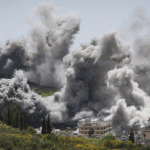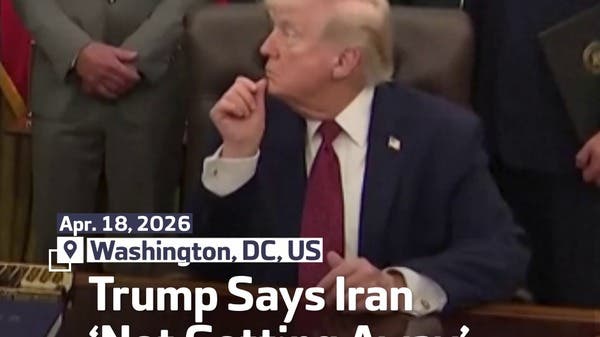

In the intricate geopolitical landscape of the Middle East and North Africa, Tehran is increasingly leveraging its strategic clout by framing recent developments as a direct consequence of sustained Western pressure. The current narrative hinges on allegations that the United States, through a series of unilateral actions, has contravened the fragile ceasefire agreements that have governed the regional landscape for over a year. By casting these international developments as deliberate provocations, Tehran underscores its narrative of resilience against external interference, thereby reinforcing its position within both domestic and international arenas.
The implications for sovereign capital are profound. Investors across the region must now recalibrate their holdings in light of this new geopolitical reality, as the stability long owed to international oversight appears increasingly tenuous. Sovereign wealth funds, previously buoyed by predictable policy environments, face mounting uncertainty regarding continued commitments. The divergence between Ankara’s assertive stance and the international perception of compliant behavior sets a volatile precedent for future engagements with global financial institutions.
Venture capital activity in the Middle East is also being recalibrated, as regional entrepreneurs navigate heightened risk assessments and fluctuating investor confidence. The venture capital ecosystem, once an engine of innovation, now contends with a more cautious disposition toward funding sources perceived as vulnerable to external sanctions. Furthermore, the regional infrastructure landscape is undergoing a recalibration, with developments increasingly dependent on alternative financing mechanisms that circumvent traditional Western channels. As the continent confronts these interlinked dynamics, the imperative for strategic foresight has never been more acute.