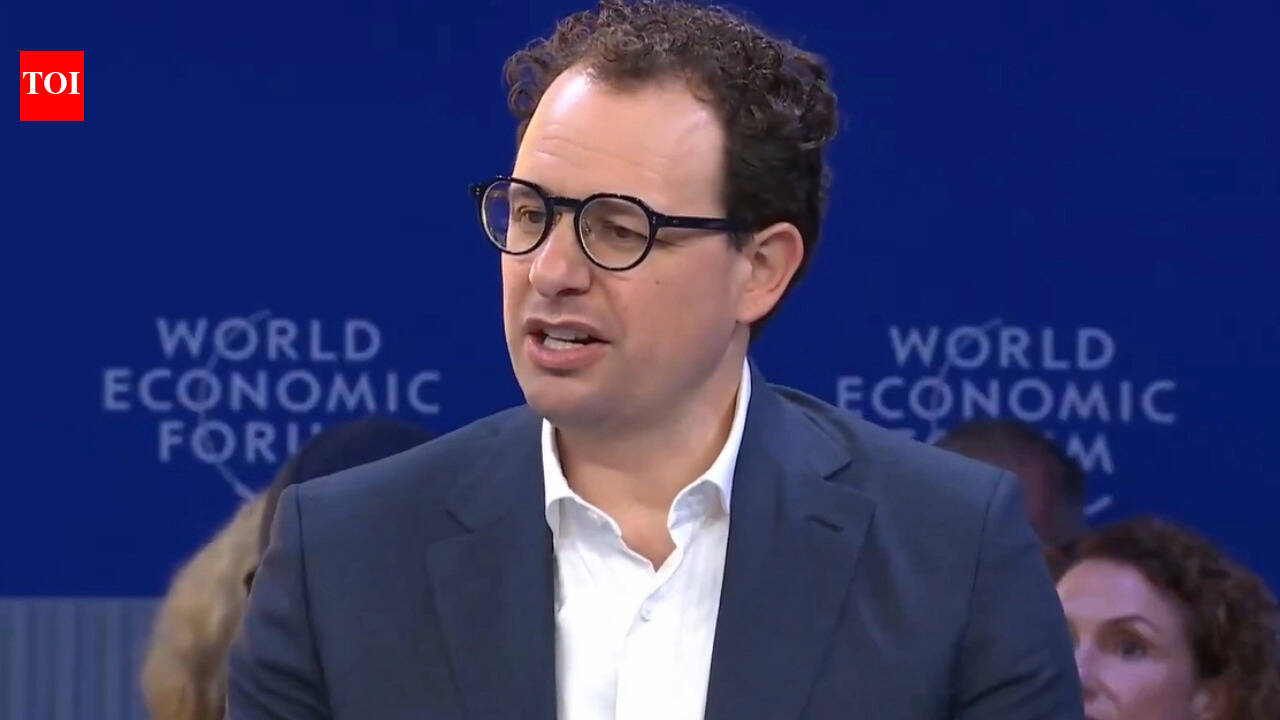

Anthropic CEO Dario Amodei has warned that artificial intelligence could eliminate up to 50 % of entry‑level professional roles in the next one to five years, a claim that has intensified debate on the economic costs of rapid automation in the MENA region. The assertion, made during a televised interview, echoes concerns from economists that unfettered AI deployment may disrupt the low‑ to mid‑skill labor market that many Gulf and North African economies rely on for private‑sector growth.
For sovereign capital strategies, the projection signals a need for balanced investment portfolios that hedge against talent erosion while capitalising on high‑growth technologies. Countries such as the United Arab Emirates and Saudi Arabia, whose Vision 2030 and Neom plans hinge on technology‑driven diversification, must recalibrate funding allocations to support reskilling programmes, STEM education, and digital infrastructure that can absorb displaced workers into new roles created by AI itself.
Venture capital in the region is already shifting, with early‑stage funds increasingly prioritising “human‑AI co‑creation” platforms and workforce‑automation solutions that complement rather than replace human labour. This pivot is reflected in the surge of seed rounds for EdTech firms and upskilling startups, where capital flows are directed toward tools that upskill the gig‑economy workforce and enable lateral movement into higher‑value occupations. Those firms that demonstrate scalability across the Gulf Cooperation Council and North African markets stand to attract the bulk of foreign direct investment.
Infrastructure implications are equally profound. The promised AI‑driven efficiencies will demand robust digital ecosystems, from high‑speed fiber networks to secure cloud‑hosting facilities capable of supporting large‑scale data processing. Governments must therefore expedite regulatory frameworks, cybersecurity protocols, and interoperable data standards to ensure that the AI boom translates into sustainable, inclusive growth rather than exacerbating skill gaps and economic disparities.