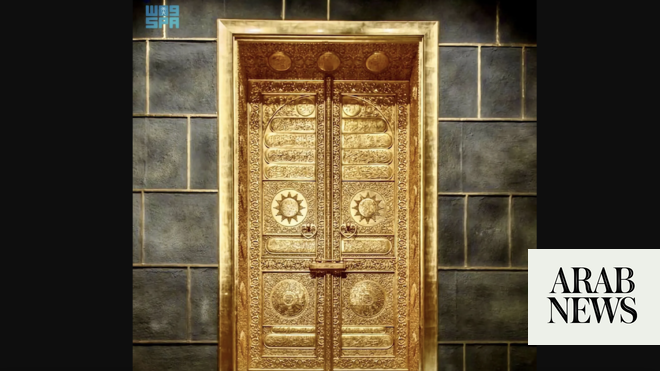

The MENA region continues to exhibit a dynamic economic landscape, driven by renewed interest in regional infrastructure, sovereign capital deployment, and the expansion of technological innovation ecosystems. In this context, the recent unveiling of a meticulously crafted replica of the Kaaba’s door serves as more than a cultural artifact—it signals a strategic convergence of heritage, industry, and investor confidence. This event underscores the increasing emphasis on tangible heritage as a catalyst for regional branding and attracting both institutional and private capital.
From a financial perspective, such a display amplifies the visibility of architectural and cultural investments within Middle Eastern and North African (MENA) sovereign frameworks. The presence of gold-plated structures like this one reinforces the importance of material heritage in elevating regional trust among foreign investors. The artistry involved, combined with engineering precision, positions these projects as benchmarks for regional manufacturing and design excellence. As sovereign entities allocate resources toward diversification plans, replicating iconic elements becomes a tangible means of signaling long-term commitment to innovation and stability.
Venture capital, too, is drawn to this kind of high-impact project. The blend of historical reverence and contemporary craftsmanship offers compelling narratives for early-stage investors seeking both financial returns and cultural prestige. For regional enterprises, the replication of such masterpieces not only serves as technological learning but also as a strategic maneuver to bolster domestic investment flows. The event exemplifies the growing interplay between cultural patrimony and economic catalysts, reinforcing the need for continued integration of heritage into infrastructure vision within the MENA investment narrative.
Infrastructure initiatives across the Gulf and broader MENA present unprecedented opportunities for high-value regional collaborations. As these structures come to life, they will increasingly influence policy frameworks around foreign direct investment, skills development, and technology transfer. The relevance of the replica—as both artistic masterpiece and strategic asset—underscores the pivotal role that cultural and business narratives play in shaping the economic trajectory of the region.