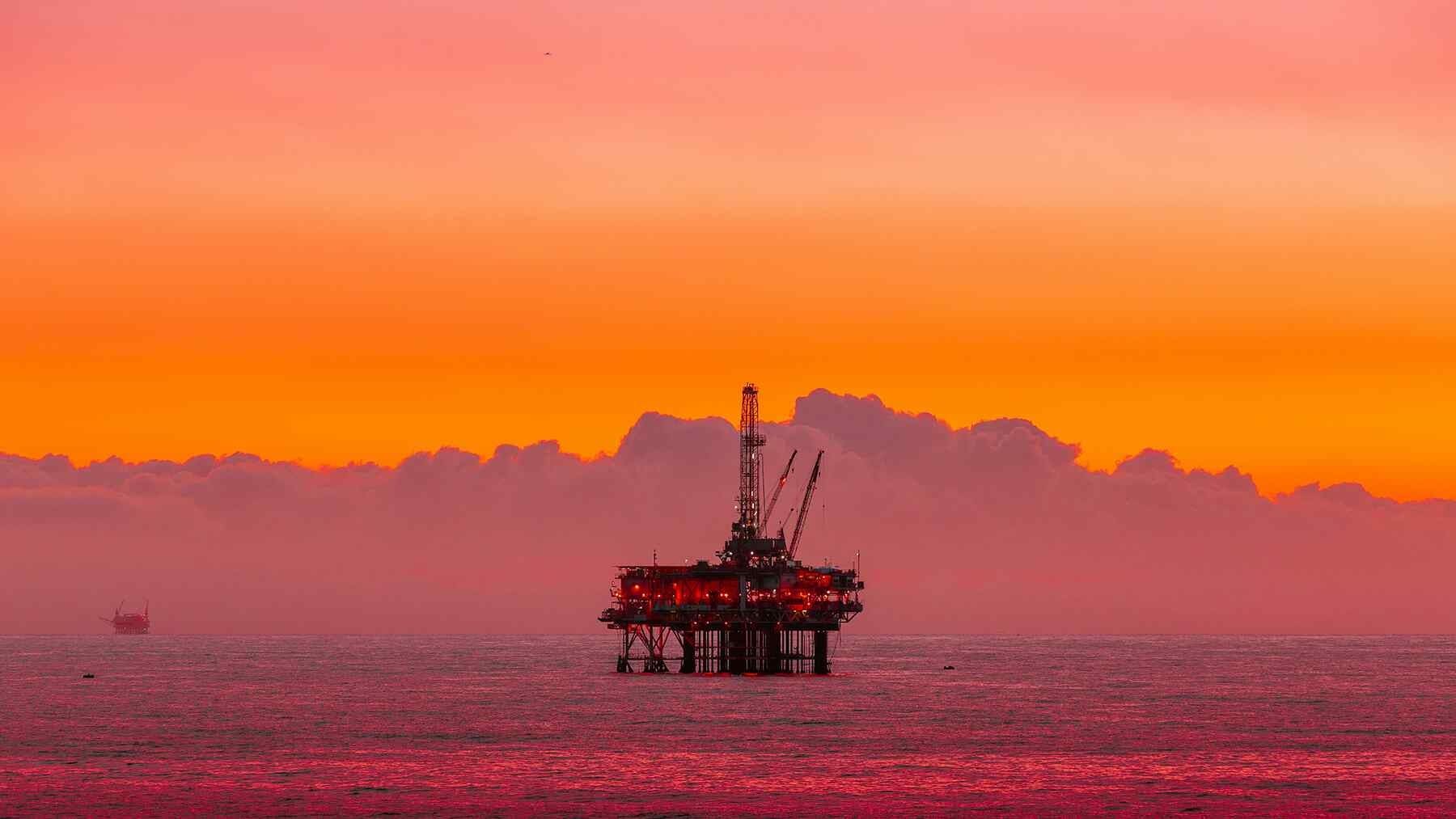

The discovery and development of Egypt’s latest offshore gas reserves by BP and ADNOC represents a calculated shift toward infrastructure-led hydrocarbon extraction that could redefine the country’s position in the Eastern Mediterranean energy landscape. Unlike premium basins such as the Eastern Mediterranean and West Africa, Egypt’s offshore sector has historically attracted less direct competition, allowing operators to pursue long-term, capital-efficient development rather than speculative high-stakes ventures. The field’s proximity to existing infrastructure has been the critical enabler—allowing gas to be rapidly piped onshore without major new capital expenditure on standalone production facilities. This logistical advantage is not just a cost-saving measure but a strategic pivot toward low-risk, predictable cash flow.
Beyond domestic gas supply, the development carries meaningful implications for upstream oil recovery. New gas reserves serve a dual purpose: stabilizing electricity generation and maintaining reservoir pressure in ageing oil fields. In many mature basins globally, gas availability—whether for reinjection, fuel, or power—acts as an operational bottleneck. By securing a supplementary gas source, BP can unlock further value from adjacent oil assets, breaking a recurring constraint on continued production. This self-reinforcing dynamic—where gas enhances oil recovery, and oil revenues in turn finance new gas development—represents a pragmatic approach to maximizing asset value in a challenging economic environment.
The conservative execution strategy by BP and ADNOC underscores deeper lessons from the offshore industry’s recent boom-bust cycles. Instead of overstating potential, the companies are focusing on phased appraisal, tie-back development, and integration with existing facilities—hallmarks of disciplined capital deployment. This restraint signals a broader industry shift away from headline-grabbing mega-projects toward capital-sustainable models. For Egypt, the partnership offers a show of confidence that could help draw more restrained, quality foreign investment. ADNOC’s selective expansion model—seeking projects with strong capital efficiency and minimal downside—validifies Egypt’s appeal as a destination for disciplined, infrastructure-aligned investment rather than speculative wildcatting.
The true measure of success, as always in hydrocarbon development, will not be found in press releases or initial production rates, but in sustained production volumes delivered to market. If this project demonstrates that Egypt’s offshore assets can be fast-tracked into profitable, integrated operations while simultaneously supporting adjacent oil production, it may well serve as a template for future developments across the region. In an era of cautious global offshore investment, Egypt’s ability to convert exploration success into downstream monetization without excessive capital outlays could help preserve its relevance as both a gas exporter and an upstream player in the MENA oil market.