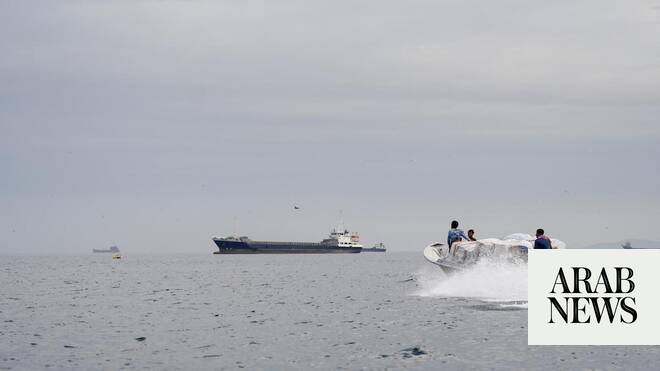

The incident underscores escalating tensions within the MENA region, directly impacting economic calculus and regional stability. Such disruptions challenge established fiscal frameworks, compelling entities to reassess allocations toward crisis mitigation and stability preservation, reinforcing the sector’s centrality to sovereign agility.
Investment dynamics demand recalibration as capital flows divert toward localized remedies rather than broad infrastructure development, altering long-term growth trajectories across the sector. Venture capital activity intensifies, prioritizing adaptive solutions over conventional projects, while sovereign capital deployment remains constrained by volatility.
Regional infrastructure implications mandate coordinated action to sustain connectivity and resilience amid conflicting priorities, necessitating cross-stakeholder collaboration to balance immediate necessities with systemic viability. Such challenges test institutional capacity to align disparate objectives cohesively.
The case epitomizes a broader trend wherein socio-political friction permeates economic metrics, rendering traditional models inadequate for forecasting outcomes. Proactive engagement remains imperative to mitigate cascading effects and safeguard stability.