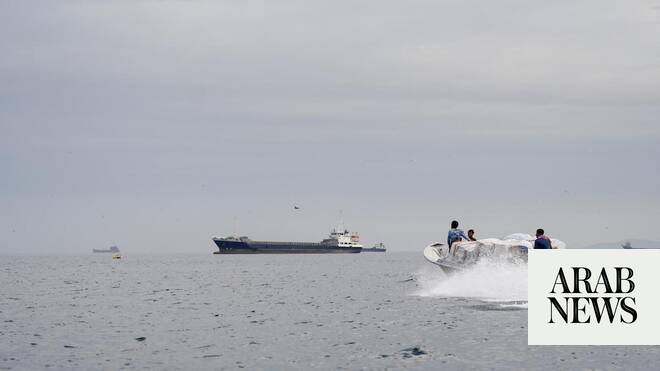

The recent transit of three Iranian and two Pakistani oil tankers through the Strait of Hormuz underscores the escalating fragility of global energy flows and the profound ripple effects on sovereign and regional capital markets. With the United States maintaining a naval presence and formalizing its blockade, the Middle East and North Africa have witnessed a sharp compression of commercial logistics, directly influencing sovereign investment strategies and the trajectory of sovereign capital allocations. The movement of these vessels—carrying significant inventories from Gulf producers to key export markets—reveals a clear tension between operational risk management and the imperative to maintain market confidence. Investors have felt the impact acutely, as the blocking of major chokepoints reverberated through futures markets, commodity pricing, and corporate treasury planning.
The economic footprint of the Hormuz Strait closure extends far beyond shipping delays; it is reshaping the strategic calculus for sovereign financiers reliant on stable maritime commerce. The exclusion of Iran’s flagship tankers, such as Deep Sea Sonia and Diona, alongside the Pakistani vessel Shalamar, signals a recalibration of trade dependencies that reverberate across MENA’s economic corridors. Sovereign entities in the region have responded with heightened caution, re-evaluating portfolio exposures in energy commodities and logistics infrastructure. The increased volatility has forced institutional investors to reassess risk-weighted assets and reallocate capital toward more resilient assets, further amplifying the sovereign capital stakes in the stability of this vital waterway.
Inventory buildups in key GCC refineries have amplified short-term impacts on regional energy supply chains, prompting strategic shifts in both public and private equity. The US naval tightening of the blockade, combined with the regional coordination of carrier compliance, exemplifies the intersection of military deterrence and market discipline. As sovereign capital continues to be redirected in pursuit of energy security, the Middle East’s emerging infrastructure investments are being reoriented toward flexibility, localization, and integrated control mechanisms. The strategic significance of the Hormuz Strait remains intact, but its operational environment has irrevocably altered the expectations of global investors and regional policymakers alike.