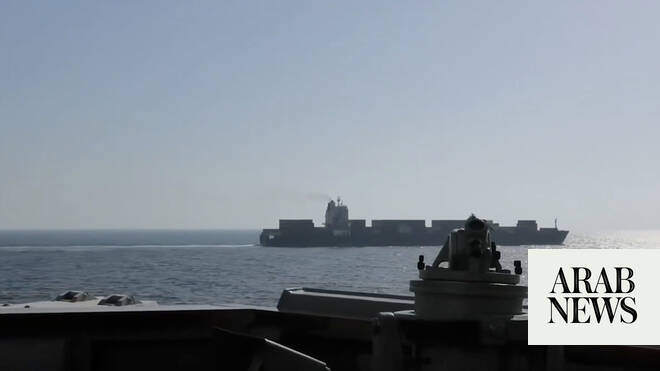

The capture of the Iranian‑flagged cargo vessel by US Marines in the Gulf of Oman has abruptly stalled the Islamabad‑mediated dialogue slated for Monday, leaving the two‑week ceasefire between Tehran and Washington at risk of collapse. The incident has exposed a fragile calm in a region whose economic lifelines – oil exports, shipping lanes and energy infrastructure – are now caught in a geopolitical crossfire. With the ceasefire set to expire on Wednesday, the risk of a return to full‑scale conflict threatens to destabilise global commodity flows, potentially pushing Brent crude above $120 a barrel and exerting pressure on sovereign debt markets across the MENA bloc.
For state‑backed sovereign funds, the uncertainty has translated into a sharp reassessment of exposure to Iranian infrastructure assets. The risk of physical damage to pipelines, refineries and port facilities has led to a spike in insurance premiums and a reevaluation of capital allocation strategies. Simultaneously, private venture capital firms that have been nurturing fintech and energy‑tech startups in the region are confronting higher discount rates and a cautionary stance on cross‑border fund‑raising, as the perceived country risk premium continues to climb.
Infrastructure developers across the Middle East and North Africa are already re‑routing supply chains to circumvent the Strait of Hormuz. Shipping companies are diversifying routes through alternative choke points such as the Suez Canal and the Strait of Malacca, while regional governments are accelerating plans for inland logistics hubs and renewable energy projects to mitigate reliance on vulnerable maritime corridors. These shifts are reshaping investment flows, compelling governments to seek multilateral financing for infrastructure resilience projects, and opening new avenues for public‑private partnerships that align with broader regional integration goals.
In sum, the current standoff is not merely a flashpoint on the international stage but a catalyst for a seismic realignment in the economic architecture of the MENA region. Sovereign capital managers, venture funds, and infrastructure stakeholders must recalibrate their risk frameworks, while policymakers are pressured to deliver urgent, coordinated measures to preserve regional stability and secure the flow of capital essential for sustained economic growth.