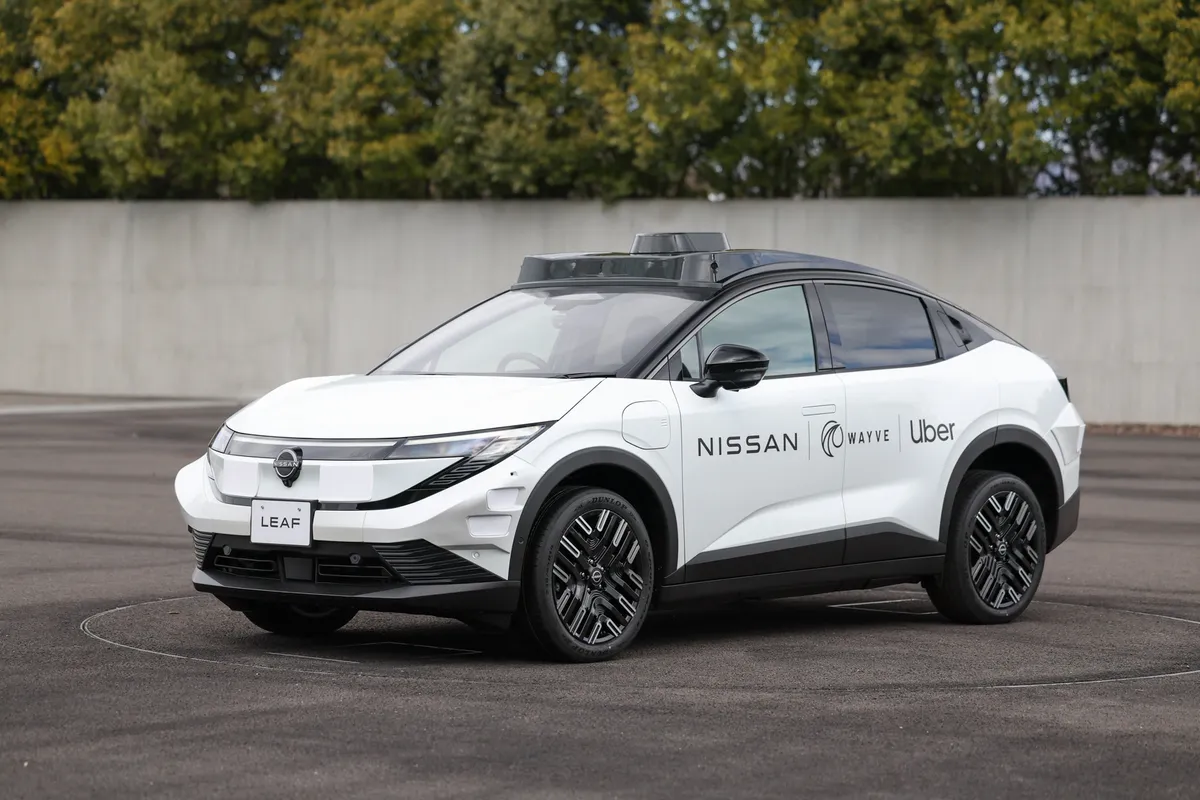

Uber’s recent financial commitment to autonomous vehicle technology represents a significant strategic pivot that could fundamentally reshape the Middle East’s transportation infrastructure and attract substantial sovereign and private capital. The ride-hailing giant’s $10 billion investment—comprising $2.5 billion in direct equity stakes and $7.5 billion earmarked for robotaxi fleet acquisition—signals a decisive shift toward asset ownership that analysts say mirrors broader trends in transportation technology adoption across the GCC and North Africa.
Industry sources indicate that Uber’s targeted approach of partnering with established manufacturers rather than developing proprietary technology in-house could accelerate regional deployment timelines. This strategy may prove particularly attractive to Gulf nations pursuing their own smart mobility initiatives, as it offers a proven operating platform to integrate with existing public transportation networks. Infrastructure experts note that ride-hailing apps could serve as “horizontal layers” that connect otherwise siloed mobility services, creating more integrated urban transportation ecosystems.
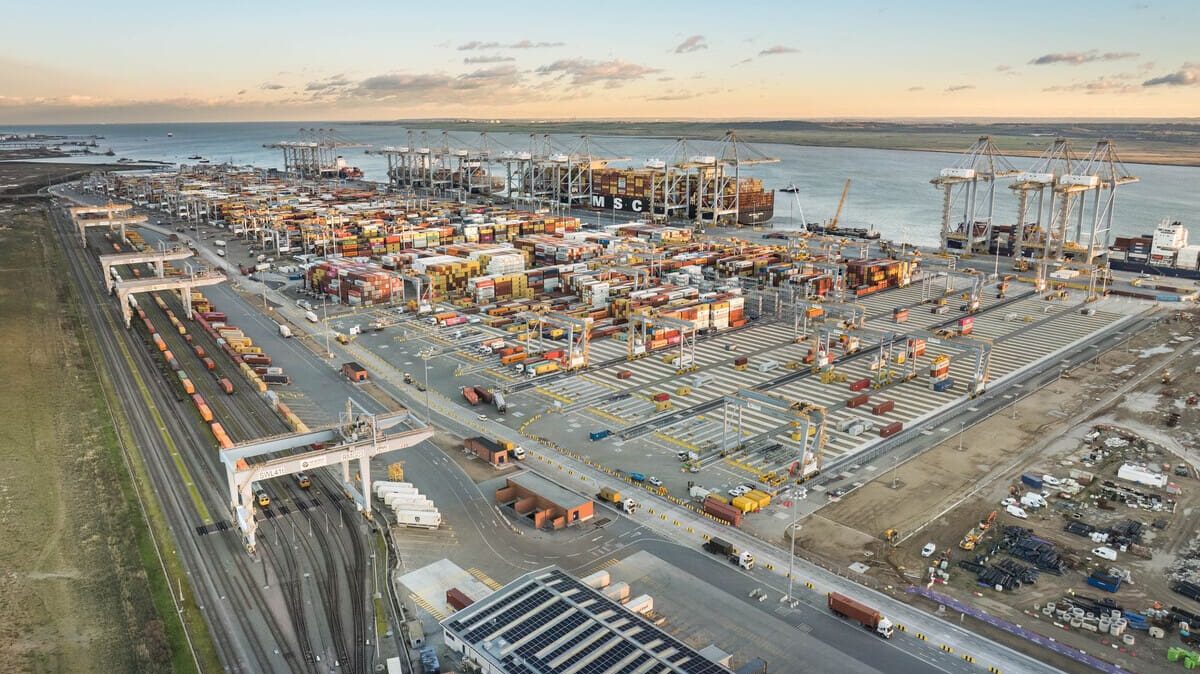
The timing appears aligned with significant infrastructure investments across the Middle East, where cities from Dubai to Casablanca are modernizing transportation systems. Uber’s partnerships with regional stakeholders through entities like Uber Elevate could facilitate the adoption of autonomous freight solutions, addressing supply chain automation needs that have gained urgency following global trade disruptions. This convergence of mobility innovation and infrastructure development suggests potential opportunities for venture capital deployment in logistics technology and related AI systems tailored to Middle Eastern market conditions.
Finance professionals tracking regional technology adoption patterns recognize similarities between Uber’s current asset-heavy approach and previous technology inflection points in the Gulf. The scale of Uber’s commitment—particularly the $7.5 billion fleet acquisition plan—could establish new benchmarks for capital deployment in mobility ventures, potentially spurring increased activity from sovereign wealth funds and institutional investors seeking exposure to autonomous transportation infrastructure.