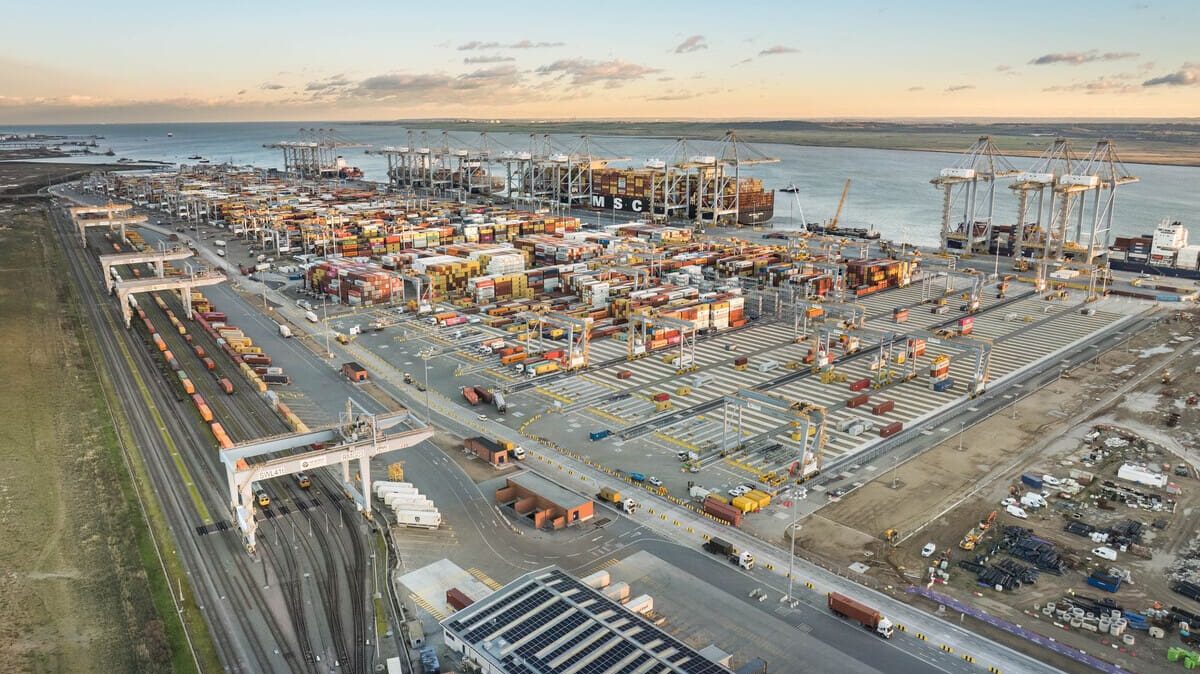

DP World’s recent launch of the Brazil-Africa Link corridor represents a significant development with substantial implications for the MENA region’s evolving trade dynamics and infrastructure landscape. This ambitious initiative, underpinned by a $720 million investment in port infrastructure at Santos, Brazil, directly addresses the need for more efficient and predictable supply chains connecting South America, a burgeoning agricultural powerhouse, with African markets. The corridor’s integrated service model, encompassing ocean freight, warehousing, and customs clearance, positions DP World as a key facilitator for increased trade in essential commodities, particularly food, thereby bolstering food security across the continent.
From a sovereign capital perspective, the project underscores a growing trend of infrastructure investment in emerging markets designed to foster economic diversification. For MENA nations heavily reliant on hydrocarbon exports, facilitating trade in value-added agricultural products and consumer goods can contribute to long-term economic resilience. The corridor’s expansion of capacity at Santos, targeting 1.7 million and ultimately 2.1 million TEUs by 2028, has secondary benefits for regional shipping and logistics operators seeking to capitalize on increased vessel traffic and potential port-to-port linkages. This could stimulate domestic investments in port modernization and related infrastructure within the MENA region.
The venture capital ecosystem in MENA may identify opportunities within this evolving trade corridor. The need for specialized logistics technology, digital supply chain solutions, and enhanced warehousing facilities in the context of this increased trade flow creates avenues for investment. Furthermore, the corridor’s focus on agricultural commodities aligns with growing regional interest in food processing and value-added agricultural industries. Strategic partnerships between DP World and regional players could unlock significant capital flows and foster innovation in logistics and AgriTech within the MENA sphere. While direct venture capital investment in the Brazil-Africa Link may be limited, the broader implications for trade facilitation and infrastructure development within Africa have considerable indirect potential for MENA-based investors.
The long-term regional infrastructure implications are noteworthy. The Brazil-Africa Link highlights the critical role of robust port infrastructure and integrated logistics networks in facilitating global trade. The focus on expanding port capacity at Santos serves as a model for the ongoing infrastructure development projects across the MENA region aimed at enhancing competitiveness and attracting foreign direct investment. This initiative could indirectly encourage greater collaboration between African and MENA port authorities and logistics providers, potentially leading to the development of new trade routes and enhanced connectivity. Monitoring the success of the Brazil-Africa Link will provide valuable insights for policymakers and investors in the MENA region seeking to optimize their trade infrastructure and capitalize on emerging global supply chain opportunities.