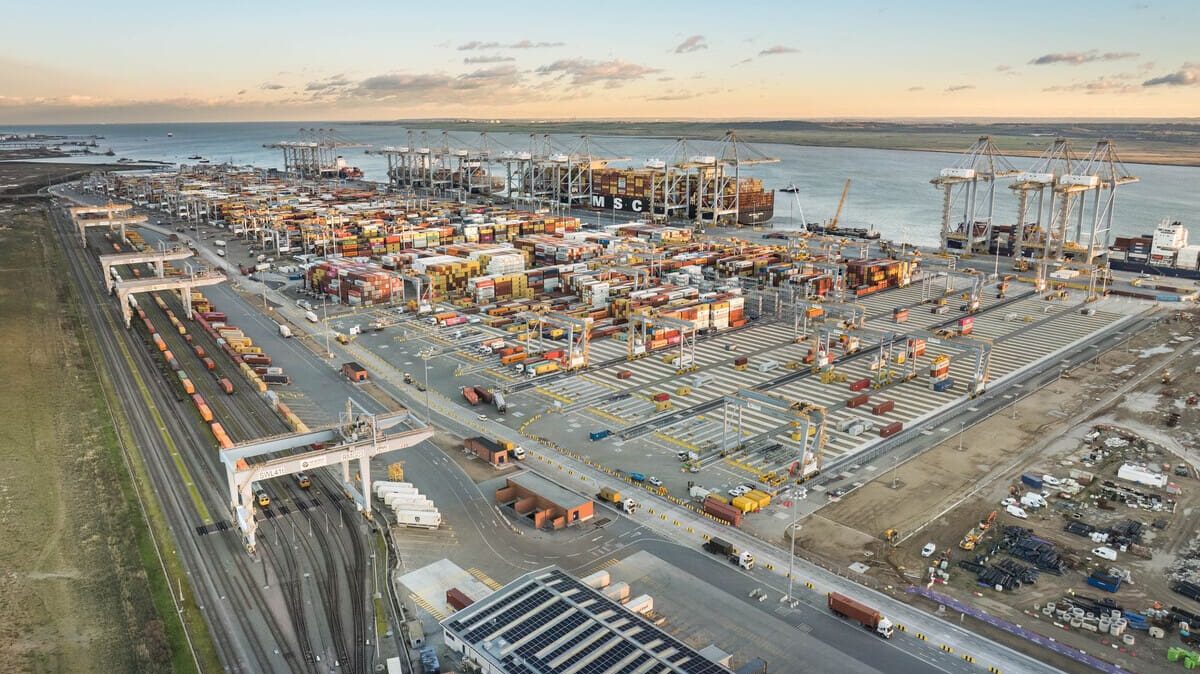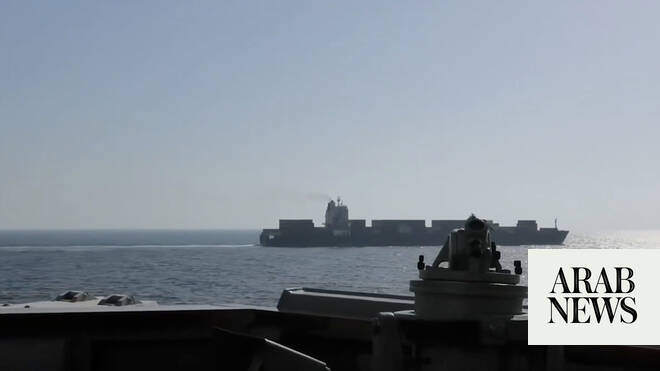

The recent escalation in hostilities between the United States and Iran, marked by the seizure of an Iranian cargo ship and the reimposition of maritime blockades, underscores a profound destabilization of economic and strategic equilibrium in the Middle East and North Africa. The Strait of Hormuz, a linchpin of global energy trade accounting for nearly one-fifth of crude oil flows, remains a contested chokepoint. For MENA economies reliant on hydrocarbon exports, the prolonged blockade exacerbates revenue volatility while dampening investor confidence. Sovereign capital markets in the region face intensified scrutiny as Iran’s economic resilience is tested amid sanctions penalties and limited access to international finance. Venture capital activity in the region, historically buoyed by hydrocarbon windfalls, is likely to remain subdued amid geopolitical uncertainty, with risk-averse capital migration toward more stable markets. The infrastructure underpinning the Strait of Hormuz—encompassing port logistics, energy transit networks, and cybersecurity frameworks—is now a linchpin of regional stability, with disruptions triggering cascading effects on supply chains, industrial output, and cross-border trade.
The interplay between sovereign capital flows and venture capital investment in MENA is inextricably linked to the region’s geopolitical volatility. Iran’s efforts to secure alternative financial partnerships, including potential deals with non-Western financial institutions, may signal a broader recalibration of sovereign capital strategies among Gulf states to mitigate exposure to US-led sanctions. Meanwhile, venture capital ecosystems in the Gulf, which have historically prioritized high-growth tech and energy ventures, face headwinds as political instability drains resources and heightens operational risks. Cyber-infrastructure breaches and port disruptions further deter foreign direct investment, particularly in sectors dependent on reliable transit or energy infrastructure. The absence of a stable resolution framework risks fragmenting regional capital markets, forcing enterprises to navigate currency controls, trade barriers, and fluctuating regulatory environments. This dynamic underscores the imperative for coordinated regional policies to stabilize investor sentiment and redirect capital toward infrastructure modernization and economic diversification.
Regionally, the blockade’s impact on infrastructure is both immediate and systemic. The Strait of Hormuz’s closure not only stokes global oil prices but also disrupts the logistics backbone of MENA’s trade-oriented economies, particularly in Egypt, Saudi Arabia, and the Persian Gulf states. Critical infrastructure projects, such as port expansions or cross-border energy pipelines, are now exposed to heightened geopolitical risk, potentially delaying timelines or escalating costs. Moreover, the threat of cyberattacks on energy grids and communication networks—explicitly referenced by Iranian state media—highlights vulnerabilities in the region’s digital infrastructure, which is often under-resourced relative to its strategic importance. A protracted conflict could further fragment regional infrastructure governance, with competing security protocols and resource allocation priorities among states. For sovereign entities, this environment demands urgent investment in resilient infrastructure, including redundant trade routes, cyber-physical defense systems, and sustainable energy alternatives to reduce dependency on volatile hydrocarbon markets. The economic and technological fallout of this standoff is likely to reverberate across MENA for years, redefining the interplay between geopolitics and infrastructure development.