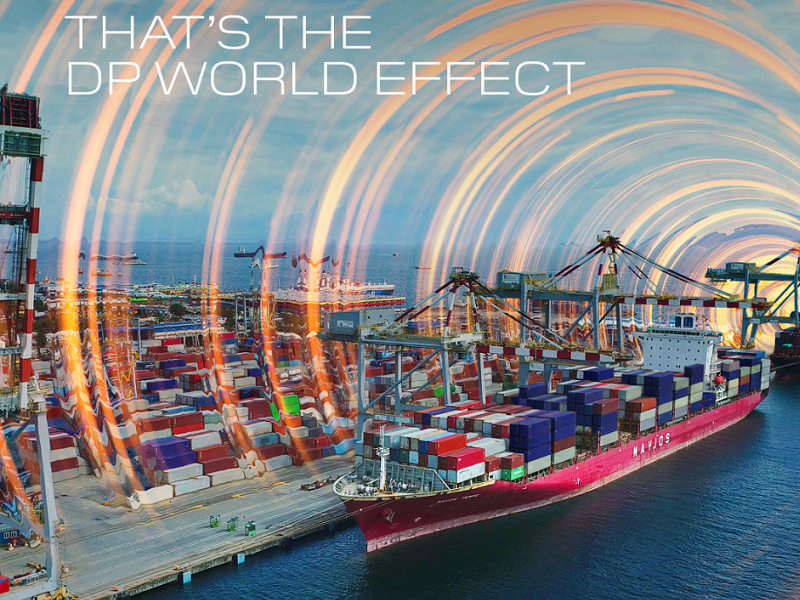

Recent independent analysis underscores the significant macroeconomic impact of strategic infrastructure investment in the Middle East and North Africa, mirroring the demonstrable ‘DP World Effect’ observed in the Philippines. The burgeoning role of integrated port facilities, such as the Batangas Integrated Port (BIP), is emerging as a critical catalyst for both sovereign economic diversification and private sector growth across the region. Beyond immediate job creation – exemplified by the 2,340 direct and indirect roles supported nationwide by the BIP – these facilities are fundamentally reshaping regional value chains and enhancing connectivity to global markets. This increased logistical capacity is attracting both domestic and international investment, bolstering export potential and contributing to long-term GDP growth.
The business implications extend far beyond port operations, directly influencing sovereign capital allocation and venture capital flows. Investments in advanced port technologies, automation, and digital infrastructure are attracting substantial sovereign wealth fund interest, seeking tangible returns and contributing to national strategic objectives. Furthermore, the enhanced trade flows facilitated by improved port infrastructure are creating fertile ground for venture capital in related sectors, including logistics technology, warehousing solutions, and supply chain management platforms. The ripple effect observed in the Calabarzon region of the Philippines, with local businesses benefiting from increased footfall and improved facilities, is a clear indicator of this broader trend across MENA, where port development is fostering ancillary service industries and entrepreneurial ecosystems.
The development of world-class port infrastructure is inextricably linked to broader regional infrastructure ambitions, including enhanced road, rail, and inland waterway networks. These interconnected systems are crucial for optimizing supply chain efficiency and reducing transportation costs, thereby enhancing the competitiveness of MENA economies on a global scale. Sovereign-led infrastructure projects are increasingly prioritizing these multimodal approaches, recognizing the need for seamless connectivity from origin to destination. This strategic investment is not only attracting foreign direct investment but also fostering the development of a highly skilled workforce capable of managing and operating these complex logistical networks. The long-term implications include substantial increases in regional trade volumes and a significant contribution to economic diversification away from traditional hydrocarbon dependence.
Ultimately, the ‘DP World Effect’ and similar infrastructure initiatives across MENA represent a fundamental shift towards a more integrated and globally competitive economic landscape. The ability to efficiently move goods is now recognized as a cornerstone of sustainable growth, attracting capital, fostering innovation, and creating lasting economic opportunities for local communities. As regional governments increasingly prioritize strategic infrastructure investment, the focus will remain on creating resilient, technologically advanced port ecosystems capable of supporting the evolving demands of the global trade environment and unlocking significant long-term value.