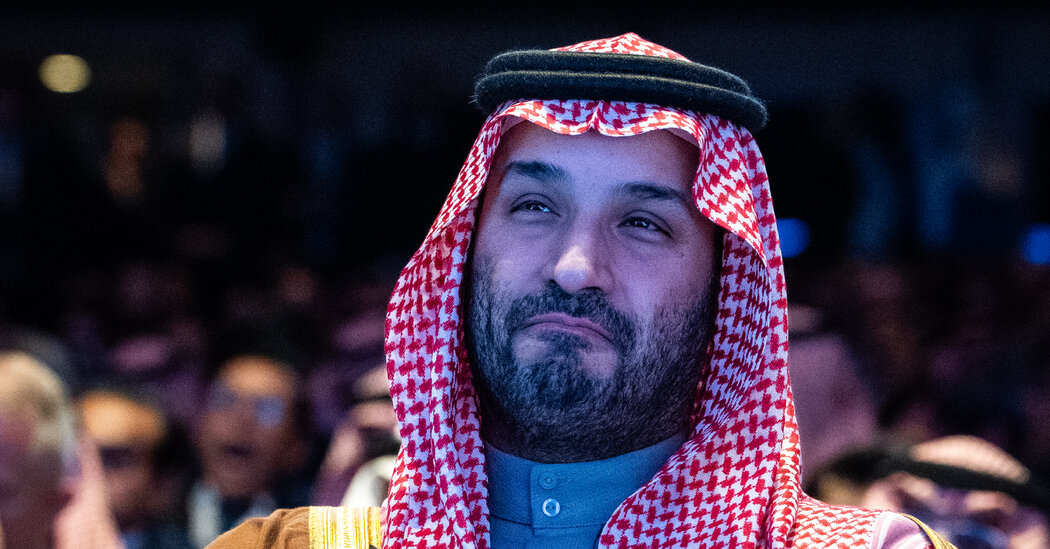

Saudi Arabia’s Vision 2030, launched a decade ago under Crown Prince Mohammed bin Salman, has refocused the kingdom’s economic strategy toward diversification, yet its execution remains inextricably tied to volatile oil revenues. While the sovereign wealth fund has pivoted toward “efficiency” amid pressure from budget deficits and geopolitical disruptions—including U.S.-Israeli war-driven tensions with Iran disrupting Gulf oil exports—the prince’s early ambitions face acute scrutiny. Projects like the Mukaab skyscraper and Trojena winter resort have been suspended or delayed, reflecting a painful recalibration of overambitious infrastructure bets in favor of fiscal conservatism. This shift underscores the MENA region’s challenges in balancing state-led megaprojects with sovereign capital allocation, as Riyadh grapples with reducing its oil dependency while navigating a fractured global energy market.
The Public Investment Fund’s recent emphasis on prioritizing “must-have” initiatives—axing or postponing “good to have” ventures—marks a stark departure from the maximalist ethos that once fueled megadeals like the $55 billion acquisition of Electronic Arts, a nod to Prince Mohammed’s personal interests. Analysts note this strategic retreat signals a hardening of risk appetite in sovereign capital markets, as regional peers watch Saudi Arabia’s handling of large-scale investments amid constrained oil-driven budgets. For venture capital, the fund’s selective approach may dampen investor enthusiasm in sectors like Saudi tech startups, though its continued thrust into AI and sports tech ecosystems could catalyze niche innovation pools. However, the kingdom’s ability to attract foreign capital remains tied to its capacity to pivot beyond symbolic gestures, a hurdle compounded by persistent geopolitical volatility and opaque governance structures.
Regional infrastructure planning under Vision 2030 now reveals deep fractures between aspirational blueprints and on-ground realities. The suspension of the Mukaab and troubles in Trojena’s development highlight systemic risks in Saudi execution models, where opaque decision-making and centralized authority leave critics alleging wasteful expenditure on projects that may never yield returns. While the kingdom’s pivot to reliability-focused infrastructure—coupled with delayed but critical bets on the 2030 World Expo and 2034 World Cup—suggests incremental progress, the MENA region’s long-term competitiveness hinges on resolving these systemic challenges. Without transparency on project economics and accountability for resource allocation, skepticism about Vision 2030’s credibility persists, threatening to erode confidence in both domestic and foreign stakeholders seeking stable returns in the region.