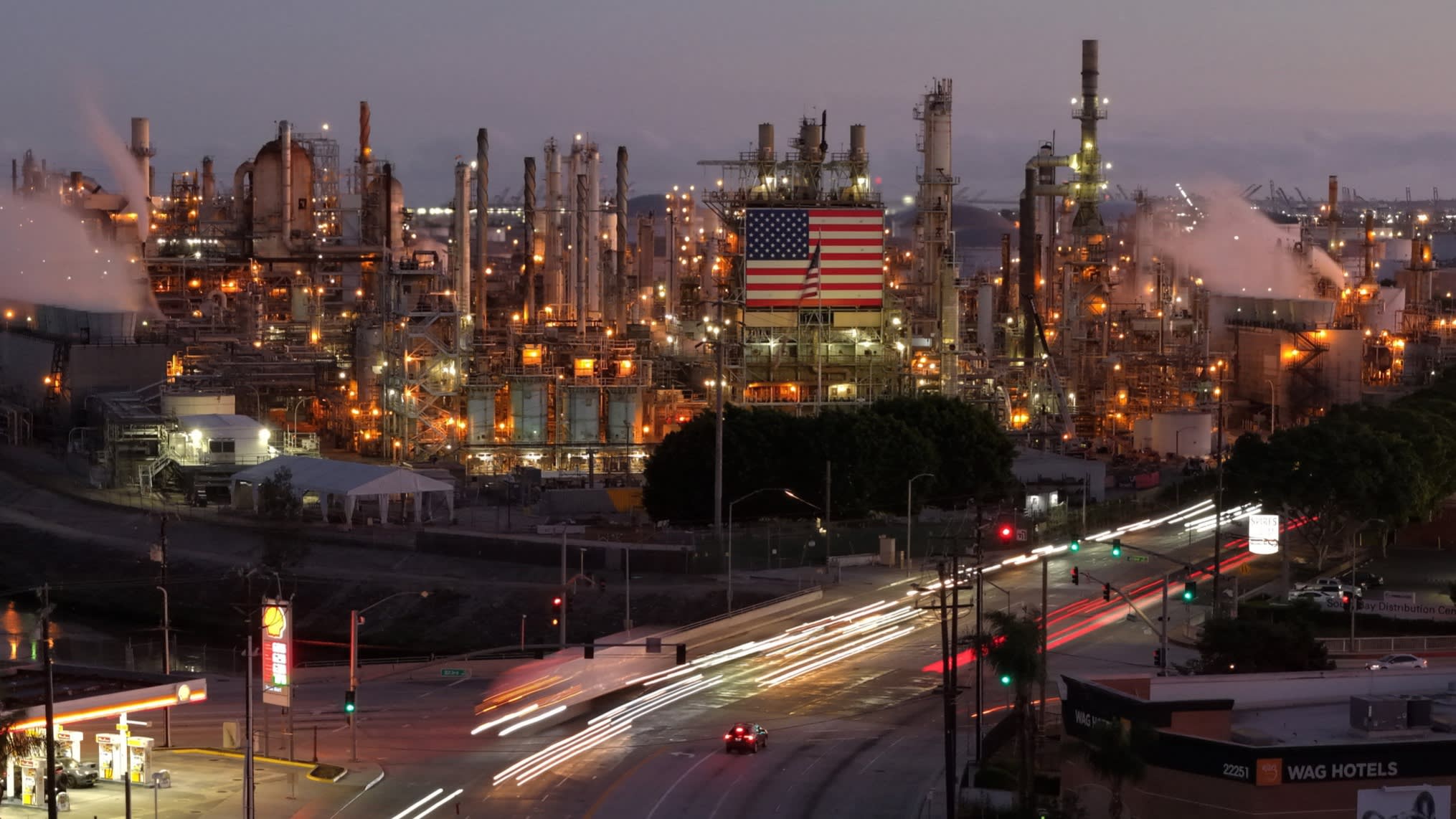

American refiners have emerged as dominant players in the global energy landscape, fueled by soaring fuel prices and privileged access to cheap North American crude oil. This has positioned the United States at the center of refining activity, capitalizing on its abundant shale resources and infrastructure investments. The surge in refining capacity not only strengthens the country’s energy independence but also reshapes global trade dynamics, redirecting crude flows toward U.S. Gulf Coast facilities and amplifying its export capabilities to international markets, particularly in Asia and Europe.
Across the Middle East and North Africa, this shift poses significant implications for regional energy producers and sovereign capital strategies. Countries like Saudi Arabia and the UAE, heavily reliant on refined product exports, face new competitive pressures as U.S. refiners optimize margins and expand market share. In response, MENA governments are channeling sovereign wealth into downstream projects, aiming to diversify into specialty chemicals, petrochemicals, and advanced refining techniques that command higher margins. This strategic pivot reflects broader efforts to insulate economies from global price volatility while accelerating industrial diversification away from crude dependency.
The evolving landscape is also drawing heightened interest from regional venture capital and international investors seeking to capitalize on MENA’s infrastructure modernization. Ports, pipelines, and integrated refinery complexes are becoming focal points for large-scale private-public partnerships, with substantial capital inflows anticipated from both Gulf-based funds and global energy players. As U.S. refineries continue to flex their competitive muscle, MENA’s ability to adapt through targeted investment in infrastructure and value-added industries will determine its resilience in an increasingly North America-dominated global market.