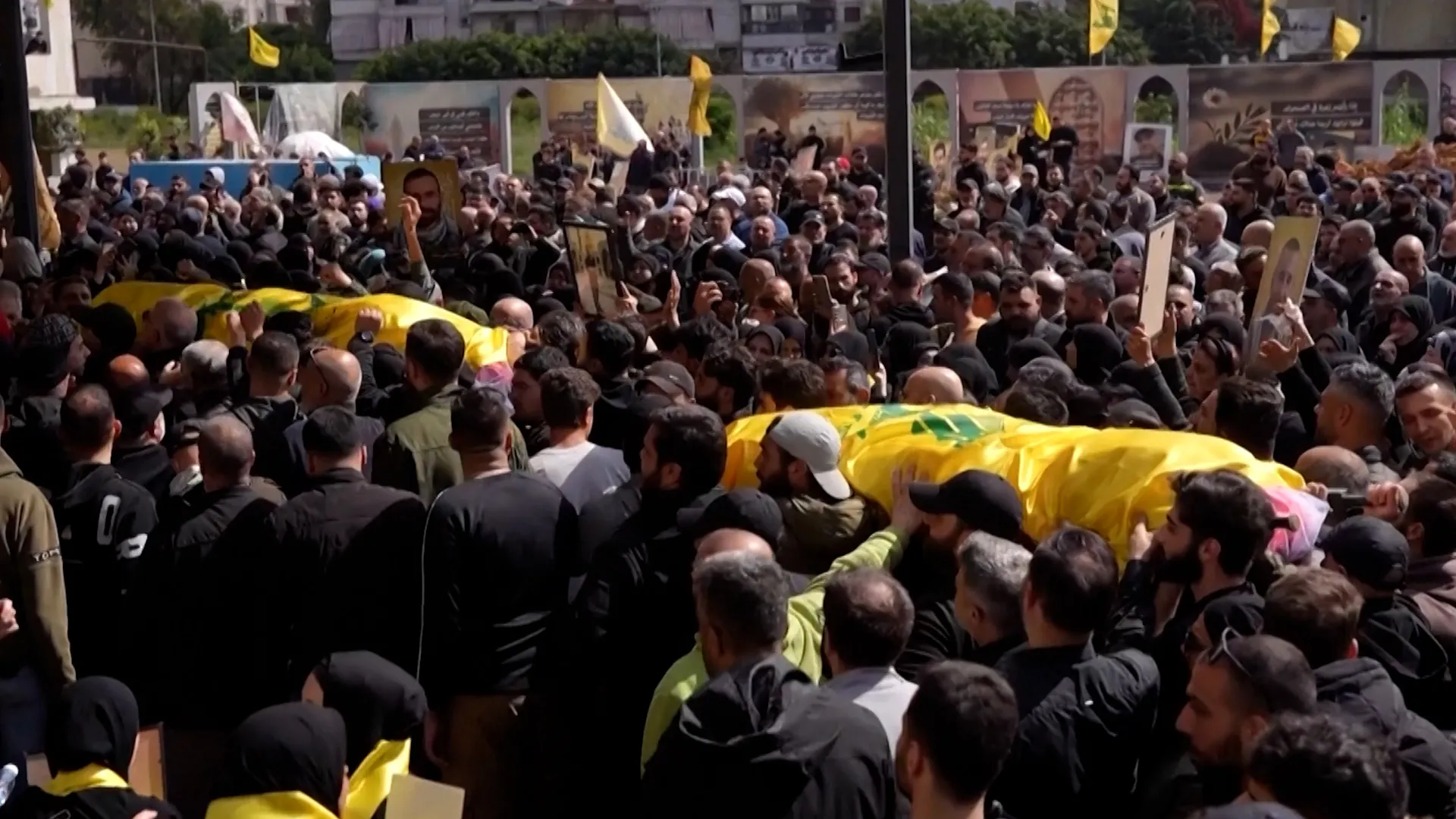

The re-emergence of stability along Lebanon’s southern border offers a window of opportunity for regional investors and sovereign wealth funds to recalibrate their engagement strategies in the Levant. With the 10-day humanitarian pause allowing for burial rites and the reorientation of military postures, Beirut’s financial corridors are once again buzzing with encrypted discussions around reconstruction financing vehicles and sovereign wealth co-investment structures. The Guardia Online Fund, whose Lebanese arm was on watch list during hostilities, is now quietly assessing opportunities to channel Middle Eastern capital into a potential recovery bond issuance backed by Lebanese sovereign guarantees.
Concurrent with ceasefire relief efforts, tech incubators in Beirut are shifting focus from wartime resiliency to a post-conflict pivot toward fintech and AI applications bound for intra-Gulf trade corridors, supported by funding from the Saudi Public Investment Fund and Mubadala’s Jordan-based innovation lab. Cybersecurity investments laid down during heightened tensions — including in Caesarea-based startup acquisitions — are poised to accelerate, driven by anticipated demand surges from Lebanese governmental bodies and abroad-oriented capital allocators seeking to shield asset flows and transactional integrity from similar escalations.
Meanwhile, Dubai-based financial intermediaries are positioning for a new wave of private equity inflows drawn from public pension reserves and venture capital syndicates occupied until recently with purely Emirati and Saudi ventures. Infrastructure re-engagement is already underway, with UAE construction firms front-running Ukraine-level reconstruction agreements with changes to their risk-mitigation architecture. From the dredging of strategic ports to the restoration of telecom and energy nodes, MENA region expertise stands prepared to deliver, contingent upon renegotiated security guarantees and the successful integration of private capital into high-impact sovereign projects that could redefine Lebanon’s economic future for a generation.