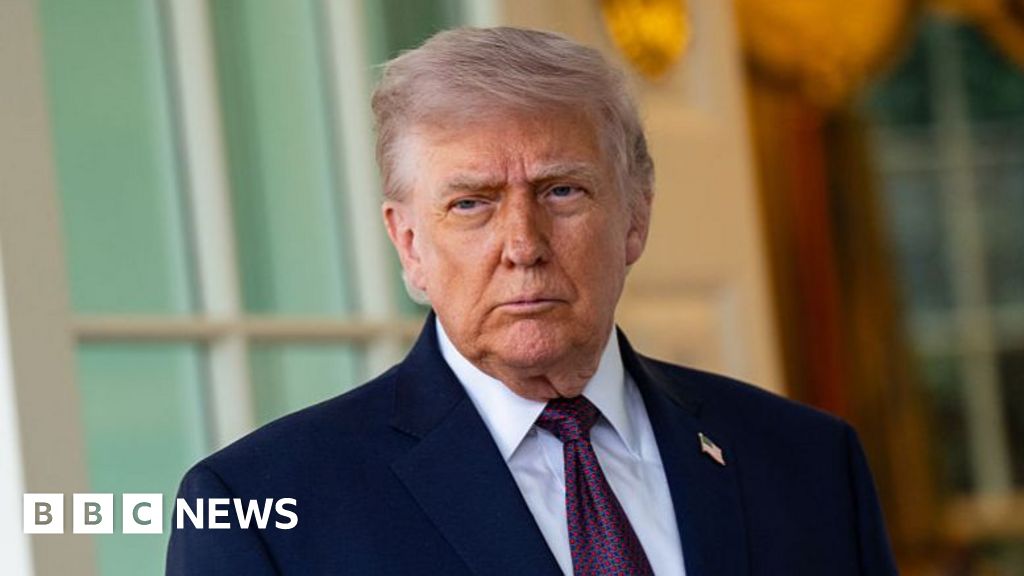

New developments surrounding the reconstruction plans for Gaza are drawing significant attention from sovereign wealth funds and venture investors in the Middle East, particularly following reports that Donald Trump’s so-called ‘Board of Peace’ has engaged in preliminary discussions with DP World regarding potential infrastructure investment opportunities. This dialogue reflects a growing appetite among Gulf states to position themselves as key players in the region’s redevelopment, especially given Gaza’s strategic location along vital maritime trade routes. For investors and policymakers, this highlights a convergence of geopolitical stability efforts and high-yield infrastructure projects that could reshape capital flows in the Levant and stimulate greater foreign direct investment across adjacent markets.
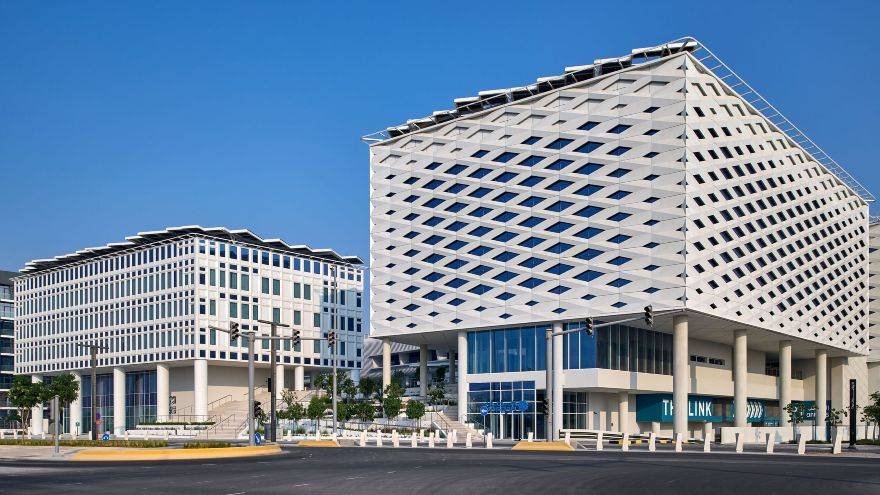
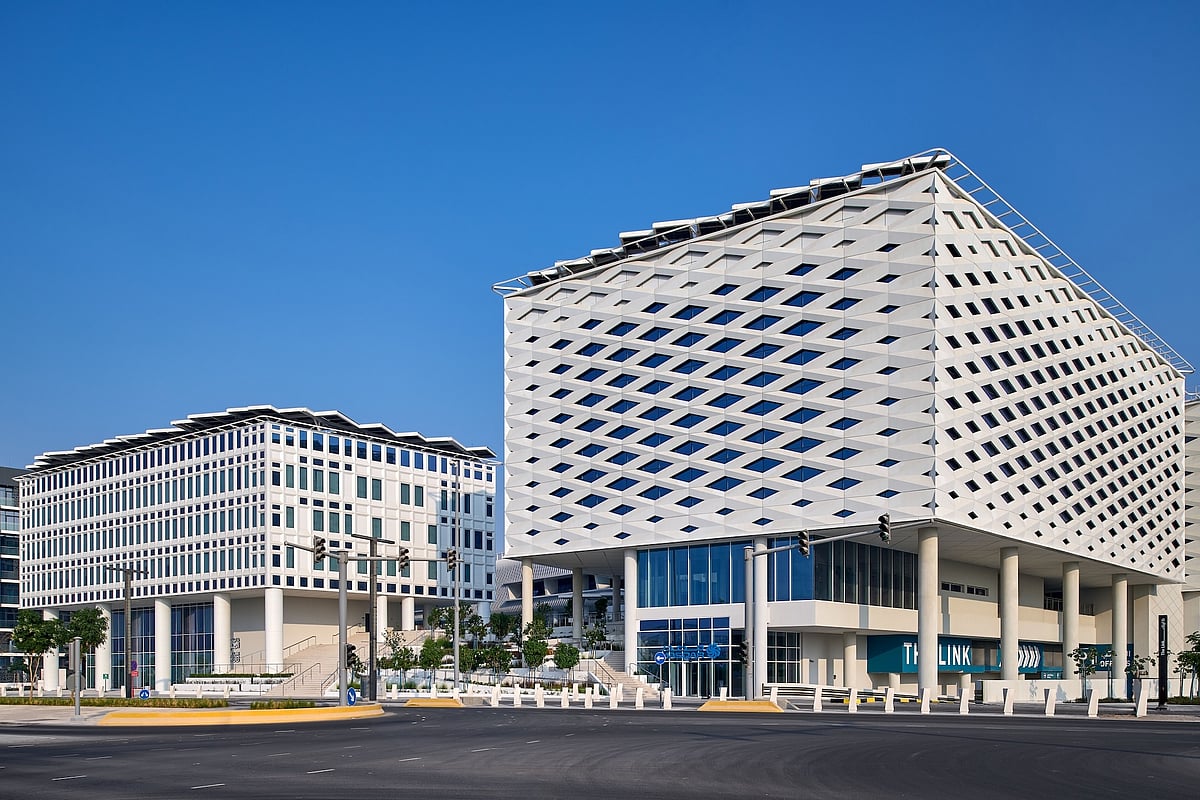
The involvement of DP World, a company with deep ties to Dubai’s sovereign wealth apparatus, signals more than just corporate interest—it underscores the strategic alignment between regional governments and major logistics players looking to secure long-term footholds in reconstruction zones. Sovereign capital from the UAE, Saudi Arabia, and Qatar has increasingly pivoted to infrastructure-heavy ventures in post-conflict areas, where risk-adjusted returns are buoyed by both state backing and the expectation of international reconstruction aid. The Gaza project could serve as a flagship case study for public-private partnerships in fragile economies, potentially unlocking new financial models that blend soft loans, mezzanine financing, and venture-stage equity stakes in startup-driven urban renewal and utilities sectors.
Should these preliminary talks evolve into formal agreements, they are likely to catalyze a wave of venture capital targeting early-stage technology firms specializing in construction tech, renewable energy projects, water desalination, and digital logistics—areas that are already attracting robust funding across the wider MENA region. This move may also compel multilateral institutions and Western sovereign funds to reassess their involvement, as regional stakeholders offer swift capital mobilization paired with strategic geographic proximity. From sovereign balance sheets to venture pipelines, the emerging nexus of geopolitics and infrastructure finance in Gaza is set to redefine how Middle Eastern capital deploys in high-stakes recovery and development plays across the region.