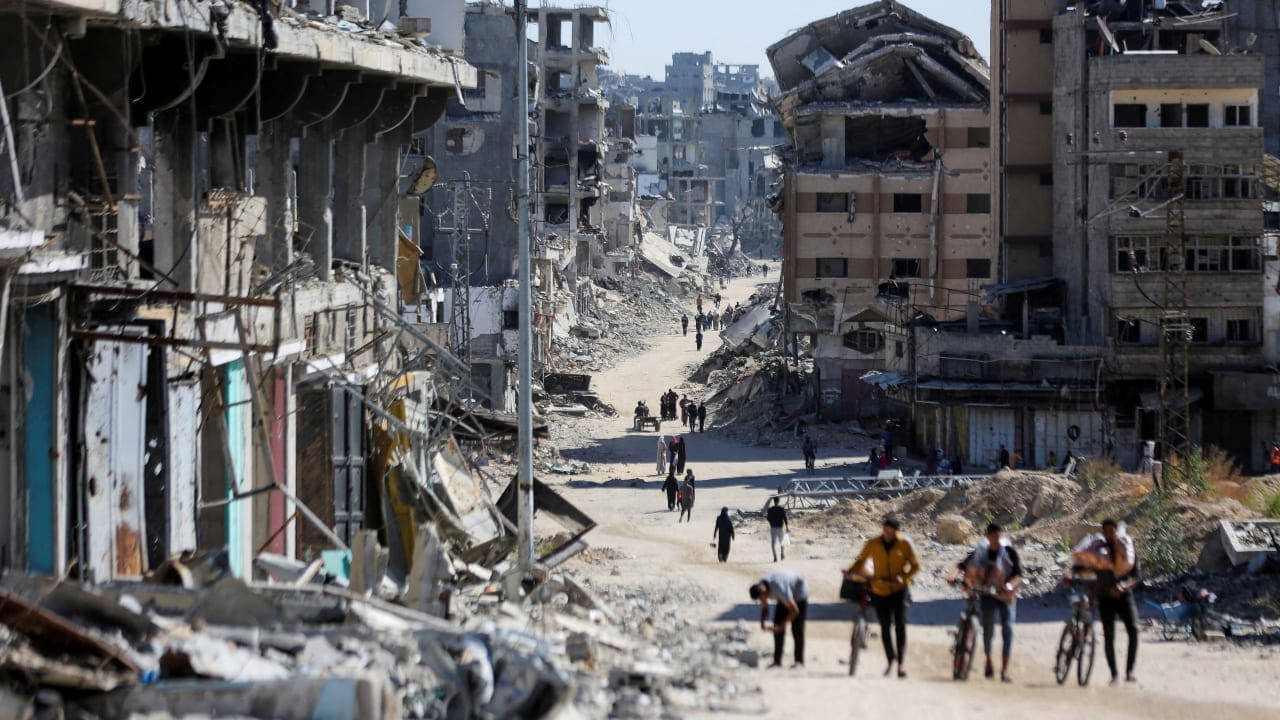

The ongoing humanitarian crisis in Gaza underscores a conflagration with profound business and geopolitical ramifications across the MENA region. Since the collapse of the last ceasefire brokered in the previous year, Israel has inflicted over 700 confirmed casualties, while civilian and infrastructure losses continue unabated. In the context of this escalating conflict, the strategic interests of sovereign capital have become deeply interwoven with regional infrastructure planning and investment dynamics. Sovereign wealth funds, both regional and international, are increasingly deploying capital to secure economic leverage in conflict-imbued markets, anticipating long-term returns amid volatile geopolitical tides.
Venture capital activity remains sharply calibrated to the security calculus, with investors recalibrating portfolios to reflect heightened risks in Gaza and neighboring jurisdictions. The financial sector is experiencing a recalibration as regional institutions and entrepreneurs reassess exposure to cross-border ventures, particularly in logistics, telecom, and fintech. These shifts are further intensified by the need for integrated supply chain solutions—warehousing, cargo tracking, and robust security infrastructure—essential for maintaining resilience amid conflict disruption. Any miscalculation risks fracturing investor confidence and constraining the flow of capital into the area.
Moreover, the specter of reformed governance structures, including the privatization of Palestinian public utilities and transportation assets, marks a pivotal turning point in the MENA economic narrative. The United Arab Emirates and other regional powers are positioning themselves as key enablers of this transformation, channeling financial and technological resources to reshape Gaza’s economic identity on their terms. However, these ambitions carry substantial risks, particularly for the Palestinian population whose displacement remains a pressing concern. The absence of transparent, accountable investment mechanisms risks reinforcing asymmetries and potentially legitimizing actions that undermine the very principles of sustainable regional development.
The trajectory of business in this volatile environment is defined by strategic positioning, risk mitigation, and the imperative to align economic imperatives with humanitarian realities. For investors, the lesson is clear: in the MENA region, the interplay of capital, infrastructure, and geopolitics will define not only market resilience but also the future shape of emerging economies.