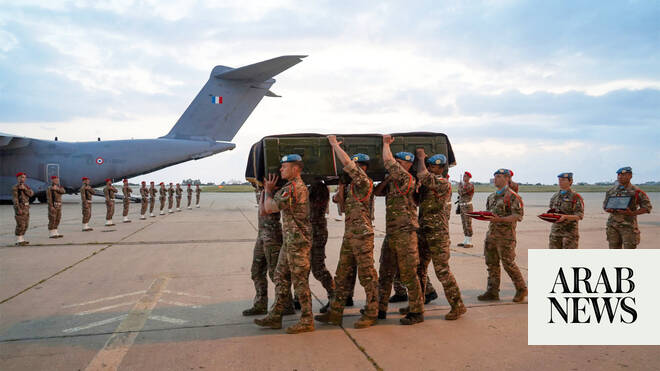

The recent death of French Sergeant-Chef Florian Montorio in a shooting incident near Ghanduriyah, South Lebanon, serves as a stark reminder of the enduring security challenges within the region and the significant financial and logistical implications for international peacekeeping operations. Montorio’s loss, while a tragic individual event, highlights the ongoing complexities of maintaining stability in a volatile environment characterized by persistent tensions between regional actors, most notably Israel and Hezbollah. The incident, reportedly involving non-state actors and potentially linked to Hezbollah, underscores the vulnerability of international forces deployed to support Lebanon’s stability and the need for swift and decisive action from Lebanese authorities to address the root causes of such violence.
The deployment of UNIFIL, a key element of international efforts to de-escalate the conflict, represents a substantial capital investment. France, a long-standing and significant contributor to UNIFIL, has consistently provided personnel and resources to maintain a presence in southern Lebanon. This sustained commitment is directly linked to the broader geopolitical strategy of the EU and individual nations seeking to influence regional dynamics and uphold international law. Such deployments, however, carry considerable financial costs, demanding robust sovereign capital allocation from member states and impacting budgetary priorities. The incident necessitates a re-evaluation of risk assessments and resource allocation within UNIFIL to better manage operational security and mitigate potential casualties, influencing future deployments and funding requests.
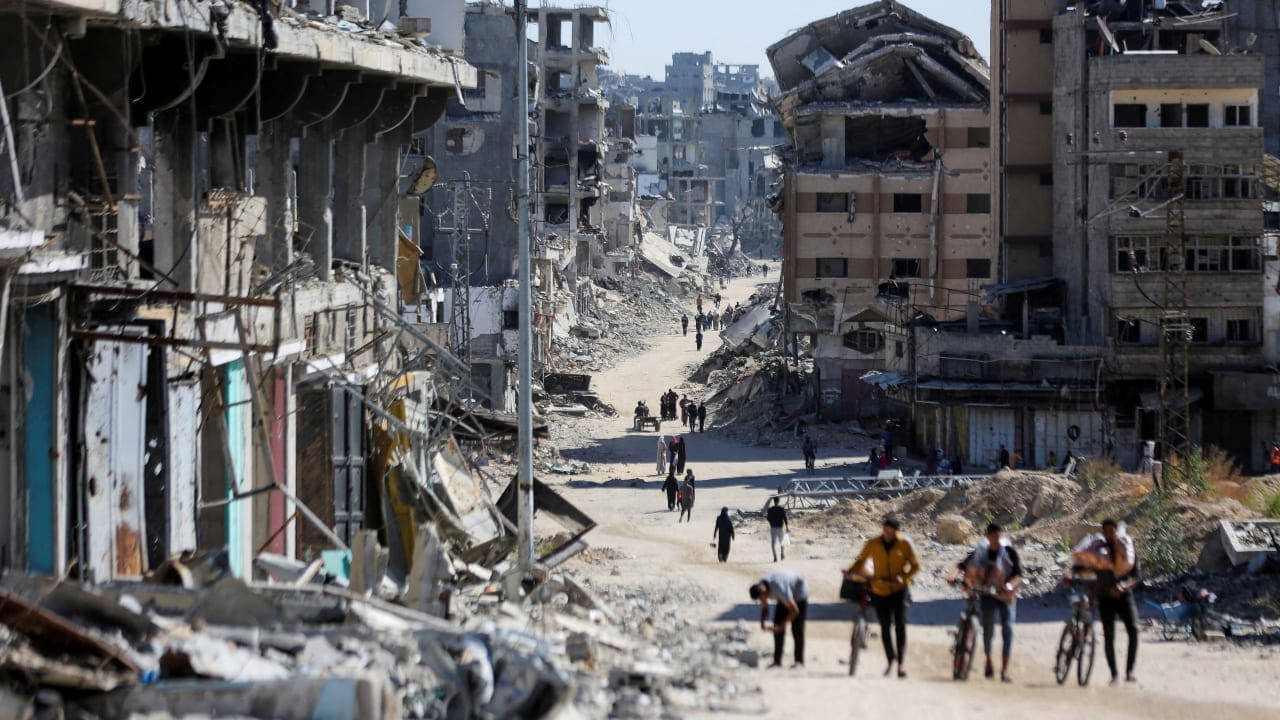
The incident also has broader implications for regional infrastructure and investment. The ongoing instability in southern Lebanon directly impacts the economic prospects of the region, hindering development and discouraging foreign direct investment. The security vacuum created by conflict and the actions of non-state actors can undermine infrastructure projects, impede trade, and deter tourism, all of which are crucial for long-term economic recovery. Furthermore, the demand for demining operations, a key focus of UNIFIL, represents a significant ongoing expenditure. Investing in robust security measures and a stable infrastructure is paramount for attracting long-term investment and fostering sustainable economic growth in the region, a goal that directly intersects with the efforts of regional and international financial institutions.
France’s planned meeting with Lebanese Prime Minister Salam in Paris underscores the continued importance placed on the situation in Lebanon. Such engagements are crucial for diplomatic efforts aimed at de-escalating tensions and promoting a lasting ceasefire. However, these efforts are constrained by the underlying security challenges and the complex political dynamics within Lebanon. The incident serves as a catalyst for renewed scrutiny of the security environment and the effectiveness of current diplomatic strategies, potentially influencing future international engagement and the allocation of resources towards stabilization efforts. The long-term viability of regional stability hinges on a comprehensive approach that addresses both the immediate security concerns and the underlying political and economic factors contributing to conflict – a challenge that demands sustained international commitment and strategic financial investment.