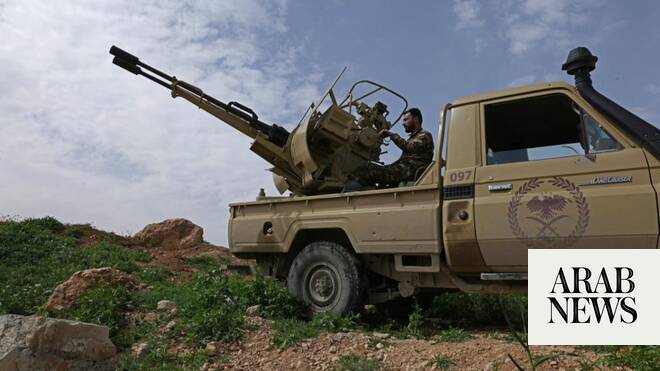

Syria’s defence ministry announced that security forces intercepted a missile‑deployment attempt by the Iran‑backed Lebanese militia Hezbollah within Syrian borders. The operation, reportedly carried out by a clandestine cell linked to the group, was foiled before the weapons could cross into Israel, according to the state news agency SANA. The incident follows a period of intensified militancy from Lebanon, which saw Hezbollah engage Israeli forces from March until the 10‑day ceasefire that terminated fighting on April 17.
From a sovereign‑capital perspective, the Syrian government’s decisive action signals a realignment of its strategic calculus. After al‑Qaeda–led turmoil and the rise of the Assad regime, Syria had been a conduit for Iranian materiel to Hezbollah, strengthening the “axis of resistance.” The latest crackdown underscores Damascus’s intent to sever that conduit and reduce its exposure to Iranian‑backed external financing and interference, which has implications for the stability of state‑controlled banking and foreign‑direct‑investment flows in the region.
The event also has wide‑ranging ramifications for venture capital and infrastructure development in the MENA corridor. Investors in energy, logistics and telecommunications, long dependent on a stable flow of capital from Iran‑aligned networks, will now reassess risk models that incorporate Hezbollah‑linked supply chains. Moreover, the Syrian government’s insistence on eliminating such networks from its territory could catalyse a restructuring of regional transport routes—particularly the East‑West and North‑South corridors that historically routed Iranian shipments—prompting a shift toward alternative hubs in Turkey and Jordan.
In short, the thwarted missile plot highlights an evolving security dynamic that is reshaping sovereign‑capital flows, venture‑capital appetites and infrastructural priorities across the Middle East and North Africa. The strategic recalibration of Damascus, intended to protect its own security interests, is likely to reverberate across the region’s financial and technology ecosystems for the foreseeable future.