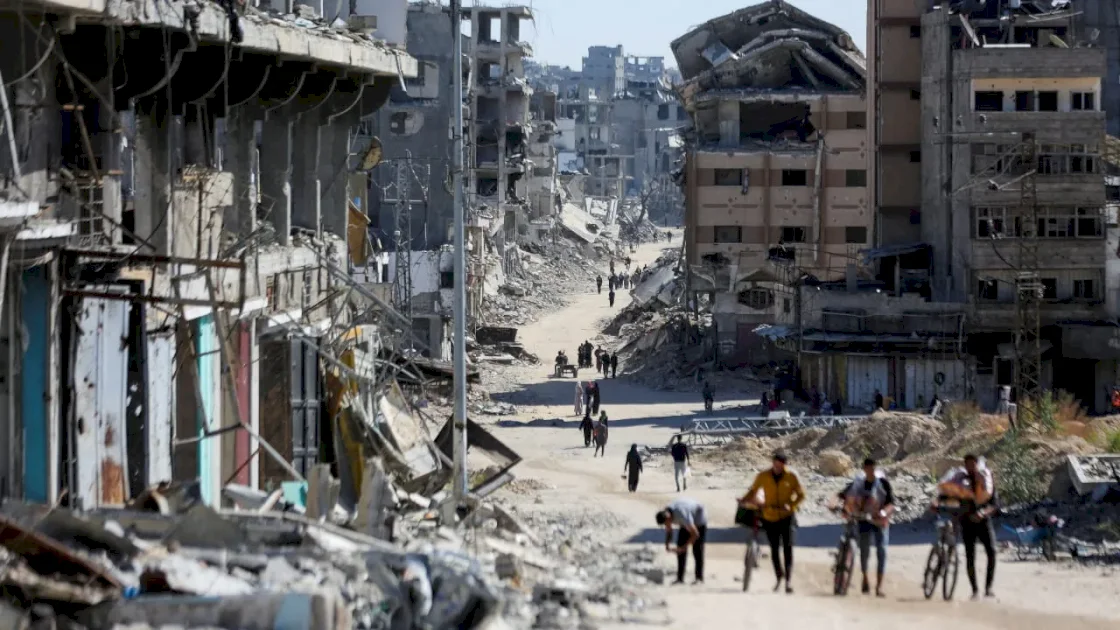

The convergence of sovereign capital, technological infrastructure, and geopolitical strategy is taking shape in Gaza, with DP World engaging with the U.S.-led Peace Council on proposals to overhaul supply chain systems, logistics hubs, and port infrastructure following an estimated $70 billion reconstruction requirement. This initiative marks one of the most significant prospective infrastructure reinventions in the MENA region, with long-term implications for sovereign wealth deployment, regional integration, and private-public partnerships in post-conflict reconstruction. Despite the scale of devastation—where over 80% of buildings were destroyed—Gaza’s geographical position positions it uniquely as a potential economic linchpin bridging Mediterranean trade routes with the broader Middle East and North Africa.
From a venture capital and strategic infrastructure standpoint, the proposal under discussion isn’t limited to logistics modernization but extends to the establishment of an economy-driven port hub, light industrial zones, and “next-generation” trade platforms. These elements suggest an intent to transition Gaza from humanitarian dependency to trade-driven self-sufficiency—an evolution that could attract both Gulf sovereign capital and private equity capital pools seeking structured infrastructure plays with long-tail revenue streams. DP World’s mandate hasn’t been officially confirmed, but its historical appetite for positioning in high-impact logistics markets positions it as a linchpin operator in any eventual private-sector coalition. Discussions about a new maritime gateway—potentially on the Egyptian coast—add another dimension, with the possibility of a free trade zone that might rival and integrate with existing MENA logistics corridors, redefining transshipment dynamics across the region.
Yet, the timeline and political certainty of execution remain in question, with stalled talks over disarmament, security, and funding origin. Current logistics flows average only 1,500 freight trucks weekly through Israeli crossings, a bottleneck described as inadequate for envisioned reconstruction velocity. The Peace Council’s mandate, renewed under the previous U.S. administration, appears intent on catalyzing private sector momentum in advance of political resolution. For investors and regional stakeholders, the initiative signals both unprecedented post-conflict infrastructure opportunity and a regulatory vacuum likely to invite rapid sovereign wealth mobilization should peace frameworks solidify. The infrastructure implications could reshape Gaza’s inclusion in MENA capital allocation models, particularly through deploy-then-stabilize strategies increasingly favored in post-conflict markets. Any tangible implementation would likely precede normalization in broader Israeli-Arab relations, creating cascading financial relevance across multiple sovereign portfolios.