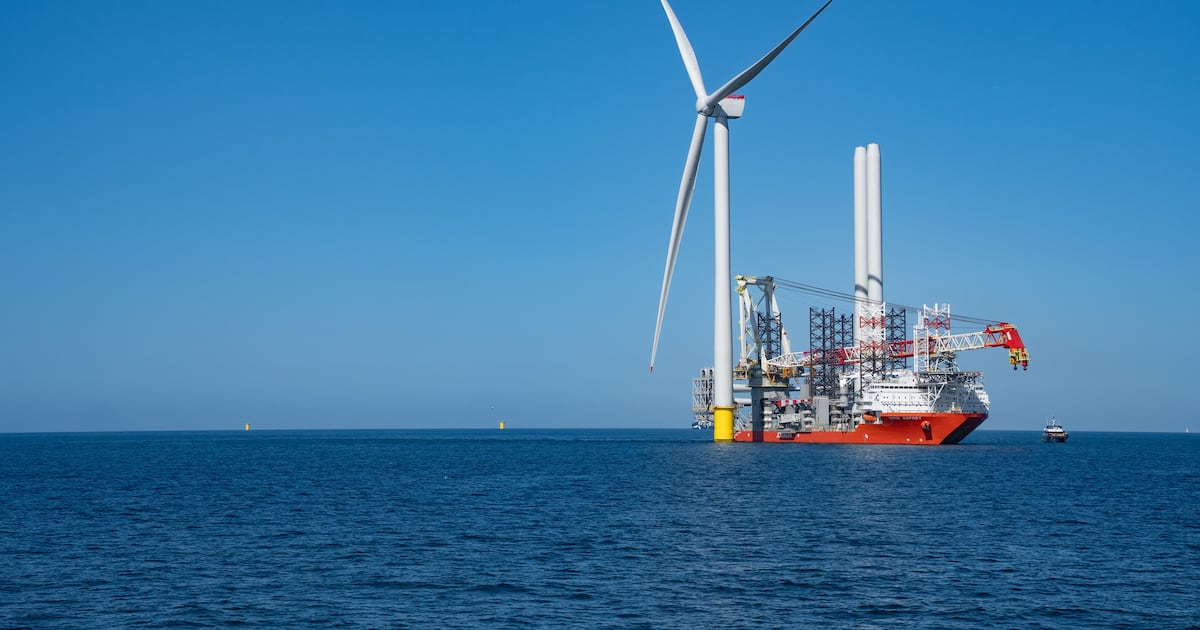

The recent installation of the UK’s largest wind turbine, a joint venture between Abu Dhabi’s Masdar and ScottishPower for the East Anglia THREE offshore wind farm, represents a significant development with substantial implications for the MENA region’s energy landscape and broader technological advancements. This project, valued at £4 billion and slated to power 1.3 million UK homes, underscores the escalating global momentum in offshore wind energy – projected to reach 165 gigawatts of installed capacity by 2025, a 40% increase from 2024. For the MENA region, this exemplifies the growing international investment in renewable energy infrastructure and the potential for technology transfer and regional expertise development.
Beyond the immediate energy generation impact, the East Anglia THREE project carries considerable weight for sovereign capital deployment and private sector investment strategies across the region. Masdar’s involvement, backed by Abu Dhabi’s sovereign wealth fund, reflects a strategic allocation of capital towards diversifying energy portfolios and fostering technological leadership. The project’s reliance on a UK-based supply chain, utilizing components manufactured in the UK, highlights the interconnectedness of global renewable energy ecosystems. This provides a model for MENA nations seeking to build robust domestic manufacturing capabilities for their own ambitious renewable energy projects, potentially unlocking new avenues for job creation and economic diversification.
The scale and technological sophistication of the East Anglia THREE project also have profound implications for venture capital and innovation within the MENA region. The development and deployment of such advanced wind turbine technology necessitate significant R&D and engineering expertise. This success story can attract further foreign direct investment (FDI) into regional clean technology startups and encourage the development of local expertise in areas like grid integration, energy storage, and predictive maintenance – crucial components for maximizing the value of renewable energy assets. Furthermore, the project’s success demonstrates the viability of large-scale renewable energy projects, which can de-risk investments for future ventures in the region.
From an infrastructure perspective, the East Anglia THREE project showcases the complexities and opportunities associated with developing large-scale offshore wind farms. The technological advancements in turbine design and installation, coupled with the need for robust grid infrastructure to transmit power to shore, present valuable lessons for MENA countries contemplating similar ventures. The project’s emphasis on sustainable growth and job creation aligns with regional development agendas focused on long-term economic prosperity and resilience against volatile global energy markets. The broader trend of UAE-backed investments in UK clean technology, reaching £30 billion since 2021, signals a strategic commitment to global renewable energy leadership, a trajectory that MENA nations are increasingly positioning themselves to emulate.