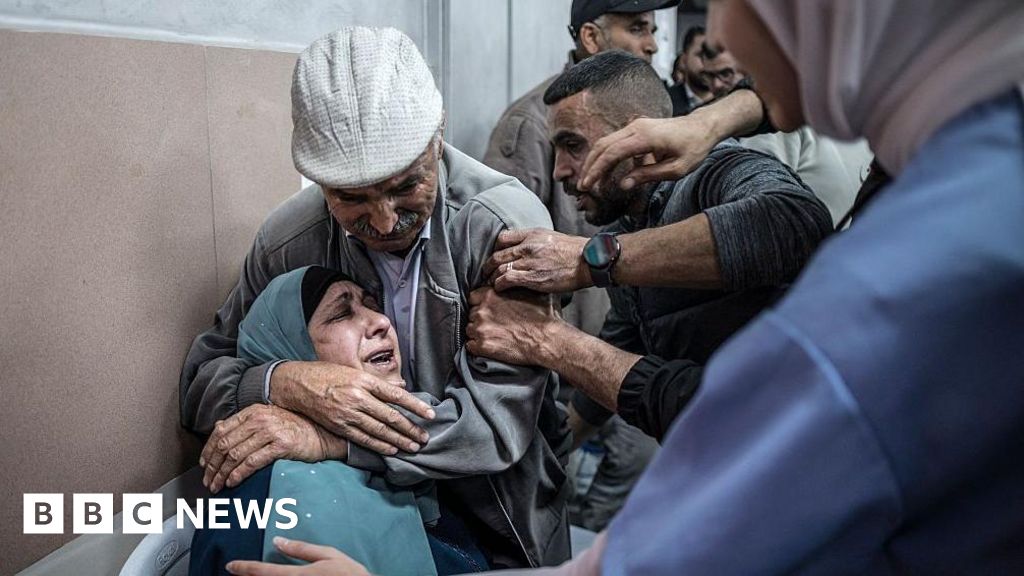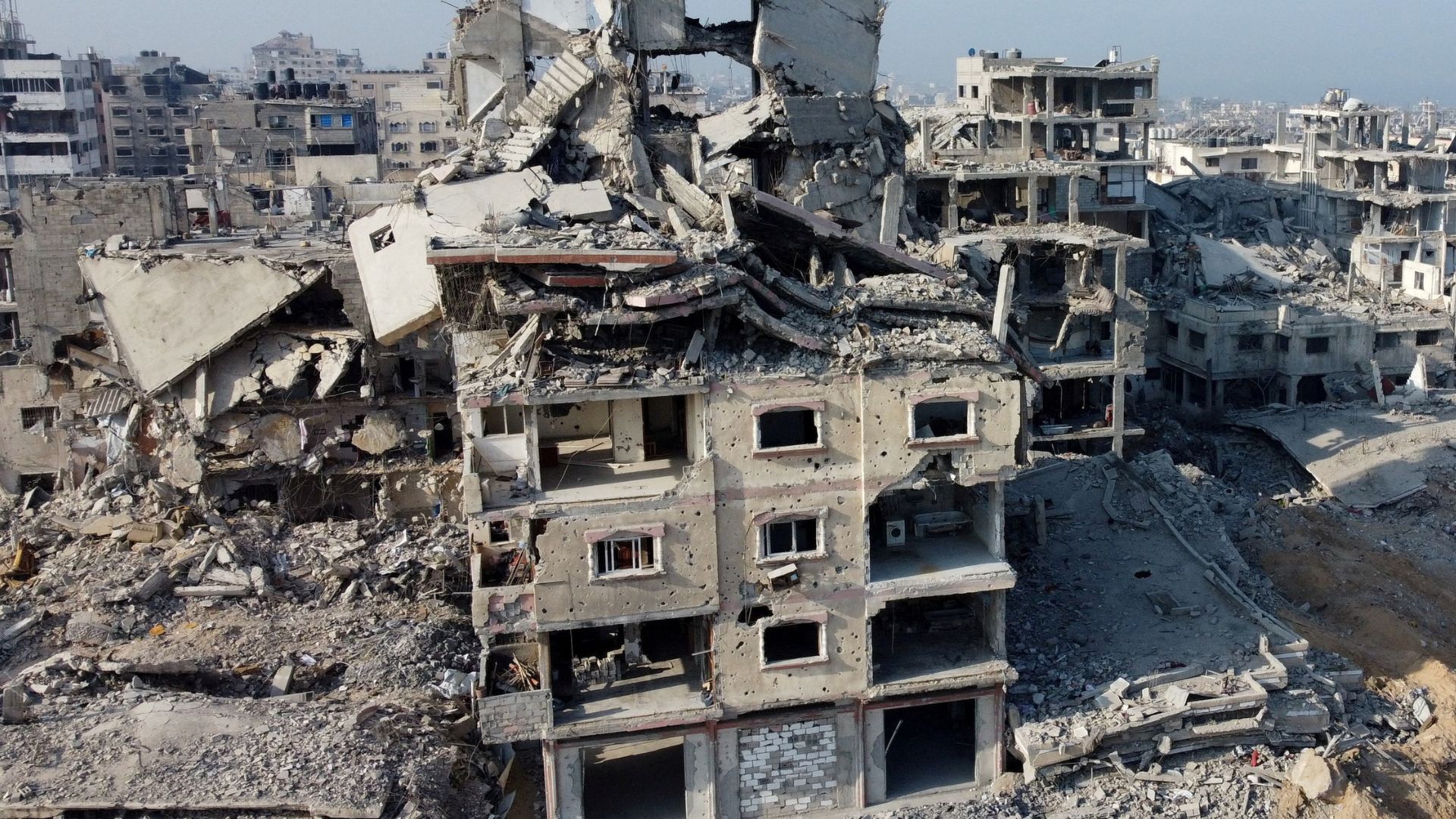

The United Nations and European Union have projected a staggering $71 billion will be required over the next decade to facilitate the comprehensive reconstruction of Gaza, a figure underscoring the immense economic and infrastructural devastation wrought by recent conflict. A substantial portion – approximately one-third – of this total is specifically earmarked for the urgent restoration of essential services critically disrupted during hostilities, including power grids, water systems, and healthcare facilities. The scale of this undertaking presents a significant challenge with profound implications for the regional economy and geopolitical landscape.
The financing mechanisms for this ambitious reconstruction effort remain a central point of discussion. While humanitarian aid will undoubtedly play a crucial role, the sheer volume of capital necessitates a multi-pronged approach involving sovereign capital contributions from regional states, significant investment from private venture capital, and substantial international philanthropic support. The involvement of sovereign wealth funds from Gulf nations, alongside dedicated reconstruction funds, is anticipated to provide a foundational layer of financing. Concurrently, attracting venture capital to stimulate economic recovery and foster new industries will be vital for long-term sustainability. This will require a stable and predictable investment environment, alongside initiatives to support entrepreneurship and innovation within Gaza.
Beyond immediate recovery, the reconstruction efforts will have far-reaching regional infrastructure implications. Revitalizing Gaza’s port facilities, transportation networks, and energy infrastructure will not only address immediate needs but also enhance its connectivity within the broader MENA region. This could spur cross-border trade and economic cooperation, contributing to regional stability. Furthermore, the reconstruction process presents an opportunity to implement more resilient and sustainable infrastructure solutions, potentially leveraging advancements in green technologies and smart city development. However, the success of these endeavors hinges on addressing ongoing political and security challenges, which will directly influence the flow of capital and the pace of reconstruction.
Ultimately, the rebuilding of Gaza represents a pivotal economic and political undertaking for the Middle East and North Africa. The financial resources required will test the capacity of regional and international stakeholders, while the successful execution of reconstruction projects holds the potential to not only alleviate immense human suffering but also to foster economic growth, regional integration, and a pathway towards long-term stability. The engagement of both public and private capital, coupled with strategic infrastructure development, will be crucial in realizing this complex and vital endeavor.