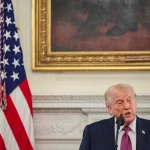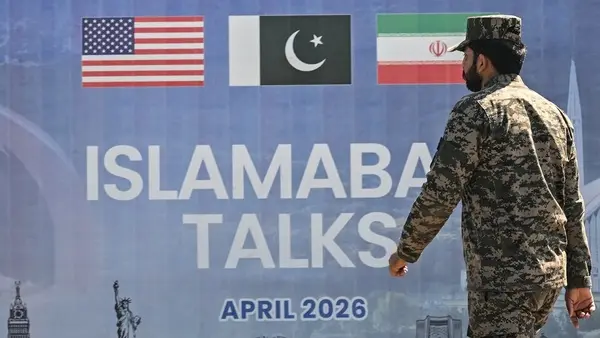

The indefinite extension of the US-Iran ceasefire, brokered through Pakistani mediation, underscores a precarious balancing act with profound implications for sovereign capital structures in the Middle East. By sustaining the blockade of Iranian ports—a measure framed as a de-escalation tactic while simultaneously weaponizing financial estrangement—the US deepens uncertainty around Tehran’s access to global capital markets. This stalemate risks exacerbating Iran’s liquidity crunch, strained further by its inability to service debt or negotiate favorable terms amid layered sanctions regimes. For sovereign wealth funds and state-backed fintech initiatives aiming to diversify regional portfolios, this freeze creates a self-reinforcing cycle: constrained economies breed weak central bank credibility, which in turn deters institutional investors from reallocating capital to adjacent Gulf systems. The Strait of Hormuz’s strategic value as a conduit for 20% of global oil shipments amplifies these risks; its operational instability not only inflates energy prices but also undermines multi-year infrastructure projects tied to energy diversification, particularly in Egypt and Morocco, where gas-and-petrochemical corridor deals hinge on predictable maritime logistics.
The venture capital drought gripping the MENA ecosystem reaches new depths as the Iran conflict reignites appetite for “high-density” deals tied to defense tech and bifurcated supply chains. Israeli startups aligning with Abraham Accord partners are flouting norms by openly courting Iranian dual-use technologies, yet the shadow of Trump-era executive orders prohibiting TISS exports casts a pall over such arrangements. Simultaneously, Gulf-based sovereign wealth funds—already cautious post-Financial Times embargos on Qatar Investment Authority disclosures—are sidelining regional tech hubs like Dubai’s AI-driven SME incubators in favor of “de-escalation plays” in Iraq and Tunisia. This bifurcation reveals a stark reality: the Middle East’s talent pipeline remains brittle, with founders increasingly opting for regulated jurisdictions despite the region’s $15 billion VC deficit since 2020. Intellectual property frameworks governing cross-border R&D partnerships now face existential stress, as firms navigate conflicting sanctions regimes to pool resources for semiconductor design or renewable energy infrastructure.
Regional infrastructure imperatives hang in the balance as the ceasefire’s fragility exposes fault lines in transnational logistics networks. The World Bank’s 2024 Mexico-to-Maghreb trade corridor initiative, designed to bypass Hormuz via rail and liquefied natural gas, now faces existential jeopardy as freight insurers hike premiums over Gulf route volatility. In Lebanon, the cauldron of conflict since 2020 has eroded reconstruction budgets by 60%, diverting sovereign resources toward emergency cash reserves that exacerbate already critical import-export imbalances. Meanwhile, Saudi Arabia’s $500 billion NEOM megaproject—touted as a bulwark against Peter Zion’s dystopian visions—gathers dust as contractor payments stall over unpaid “securities” linked to US-Iran dispute clauses. These systemic fractures materialize in delayed OPEC+ adjustments, where Kuwaiti petroleum engineers privately admit visible damage to offshore drilling platforms disrupts synchronized crude production targets, raising Riyadh’s indebtedness maturing in 2028.