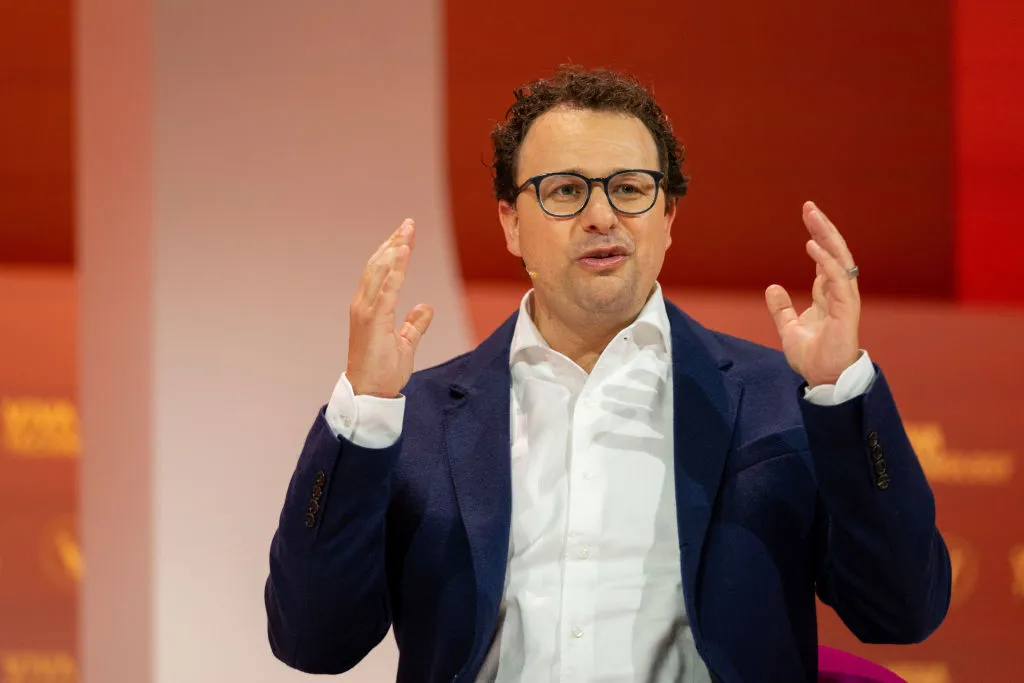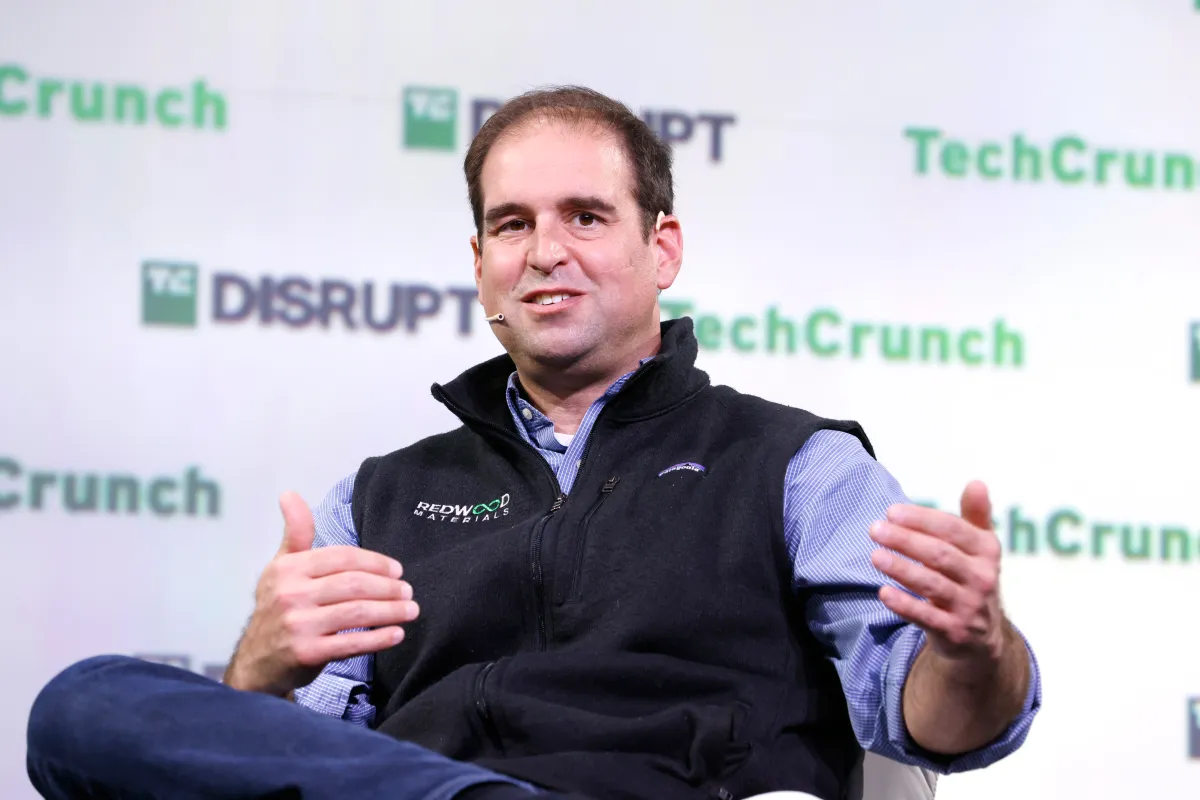

Redwood Materials, the Nevada-based battery recycling pioneer founded by former Tesla executive JB Straubel, has executed a second strategic workforce reduction within five months, cutting approximately 135 positions—roughly 10% of its staff—as it pivots toward energy storage infrastructure. The layoffs, announced just three months after the company secured a $425 million Series E funding round that valued the enterprise at over $6 billion, signal a recalibration rather than distress, according to Straubel’s internal communications. The company continues to dominate the U.S. battery recycling market while positioning itself as a critical link in the emerging domestic critical materials supply chain, particularly as artificial intelligence data centers drive unprecedented demand for stationary storage solutions.
The timing of this restructuring carries significant implications for sovereign capital allocators across the Middle East and North Africa, who have increasingly sought exposure to advanced battery supply chain technologies as part of national diversification strategies. Saudi Arabia’s Public Investment Fund and Abu Dhabi Investment Authority have both signaled appetite for downstream battery and recycling infrastructure, viewing circular economy plays as strategic assets in reducing dependence on imported critical minerals. The bankruptcy filing by competitor Ascend Elements earlier this month, citing insurmountable financial headwinds, underscores the volatility inherent in the sector and may accelerate MENA sovereign wealth interest in acquiring or partnering with validated market leaders possessing proven operational capabilities rather than speculative ventures.
From a regional infrastructure perspective, Redwood’s pivot toward energy storage—manifested through recent partnerships with Crusoe AI and Rivian to provide recycled battery capacity for data center operations—aligns directly with the Gulf Cooperation Council states’ ambitious renewable energy and grid modernization agendas. Saudi Arabia’s NEOM project and the UAE’s energy storage mandates require substantial battery deployment at scale, creating latent demand for recycling and second-life applications that can extend asset utility and improve economics. The company’s assertion of achieving profitability in its materials business while maintaining a $6 billion valuation provides a template for MENA-backed ventures seeking to balance growth investment with path-to-profitability discipline, a crucial consideration as regional sovereign funds reassess venture capital deployment following the broader technology sector correction.
The broader restructuring across the North American battery sector—where multiple manufacturers have scaled back or exited amid softened EV adoption timelines—presents both opportunity and caution for MENA capital. The region’s push to develop domestic electric vehicle manufacturing, exemplified by Saudi Arabia’s investment in Lucid and emerging local assembly initiatives, depends critically on battery supply chain maturity. Redwood Materials’ ability to maintain market leadership through this contraction cycle while successfully diversifying into energy storage positions it as a potentially attractive strategic partner or investment target for sovereign-backed initiatives seeking to accelerate their own critical materials ecosystems. The next twelve months will prove decisive in determining whether the company’s restructuring translates into sustainable profitability or merely prolongs the capital-intensive build-out phase that has challenged so many clean technology ventures.