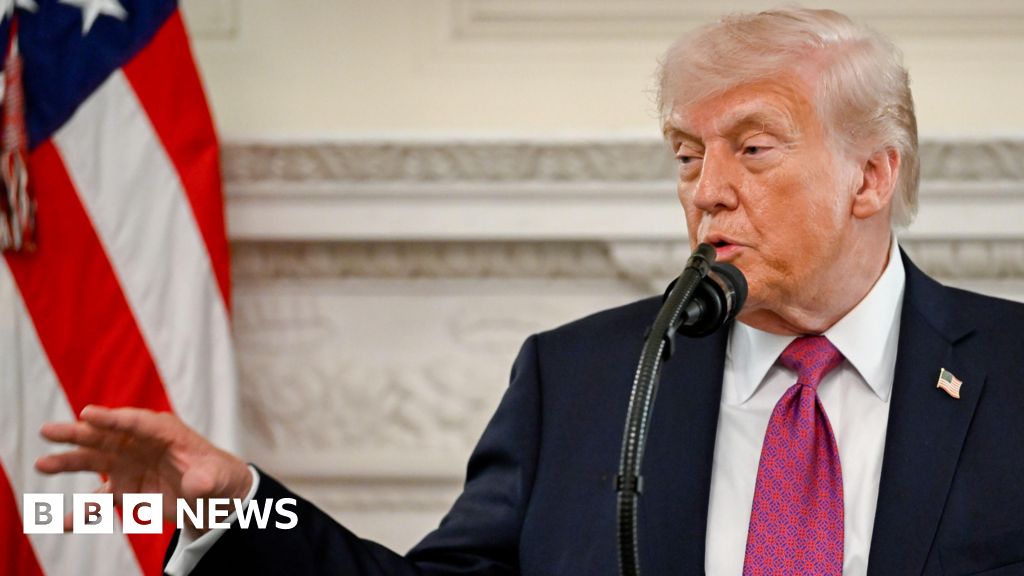

Recent reports confirm that the United Arab Emirates has proactively broached a U.S. dollar‑swap line with Washington, a development that signals the country’s intent to align itself with the world’s main reserve banking system. In Washington last week, Central Bank Governor Khalifa Al Mansour met with Treasury Secretary Scott Bessent and Federal Reserve officials to discuss the mechanics of a potential swap, an initiative that has already been acknowledged by President Donald Trump during a CNBC interview.
UAE envoy to the United States, Ambassador Yousef Al Otaiba, sharply rebuffed any perception that capital inflows from the U.S. are imperatively needed. He pointed to the Emirati Treasury’s trilateral pillars: more than $2 trillion in sovereign wealth assets, over $300 billion in foreign currency reserves, and a commercial banking base with $1.5 trillion in deposits. These figures underpin not only the country’s fiscal resilience but also justify the strategic logic behind a swap line—one that would enhance liquidity management, broaden access to U.S. dollar funding in alignment with global peers, and deepen financial market integration for the forward‑looking Gulf region.
The implications extend beyond the bilateral monetary relationship. By formalising a standing swap arrangement, the UAE strengthens the basis for future institutional investment flows, facilitating an estimated $1 trillion overseas portfolio allocation that is scheduled to grow as U.S. infrastructure and technology opportunities expand. This move also positions the UAE to become a preferred conduit for capital destined for regional ventures, providing a secure, dollar‑netted route that can de‑risk investments in distressed markets and emerging infrastructure projects across MENA.
From a sovereign‑capital perspective, the swap line signals confidence in the UAE’s macro‑balance and offers a safety net should global liquidity conditions tighten. For venture capital and private‑equity ecosystems, the arrangement offers a streamlined mechanism to access U.S. credit at low cost, potentially amplifying funding for fintech, renewable energy, and logistics hubs that are central to the Gulf’s economic diversification strategy. In aggregate, the U.S.–UAE swap could cement the UAE’s standing as a pivotal financial bridge between Western markets and the burgeoning economic engines of the Middle East and North Africa.