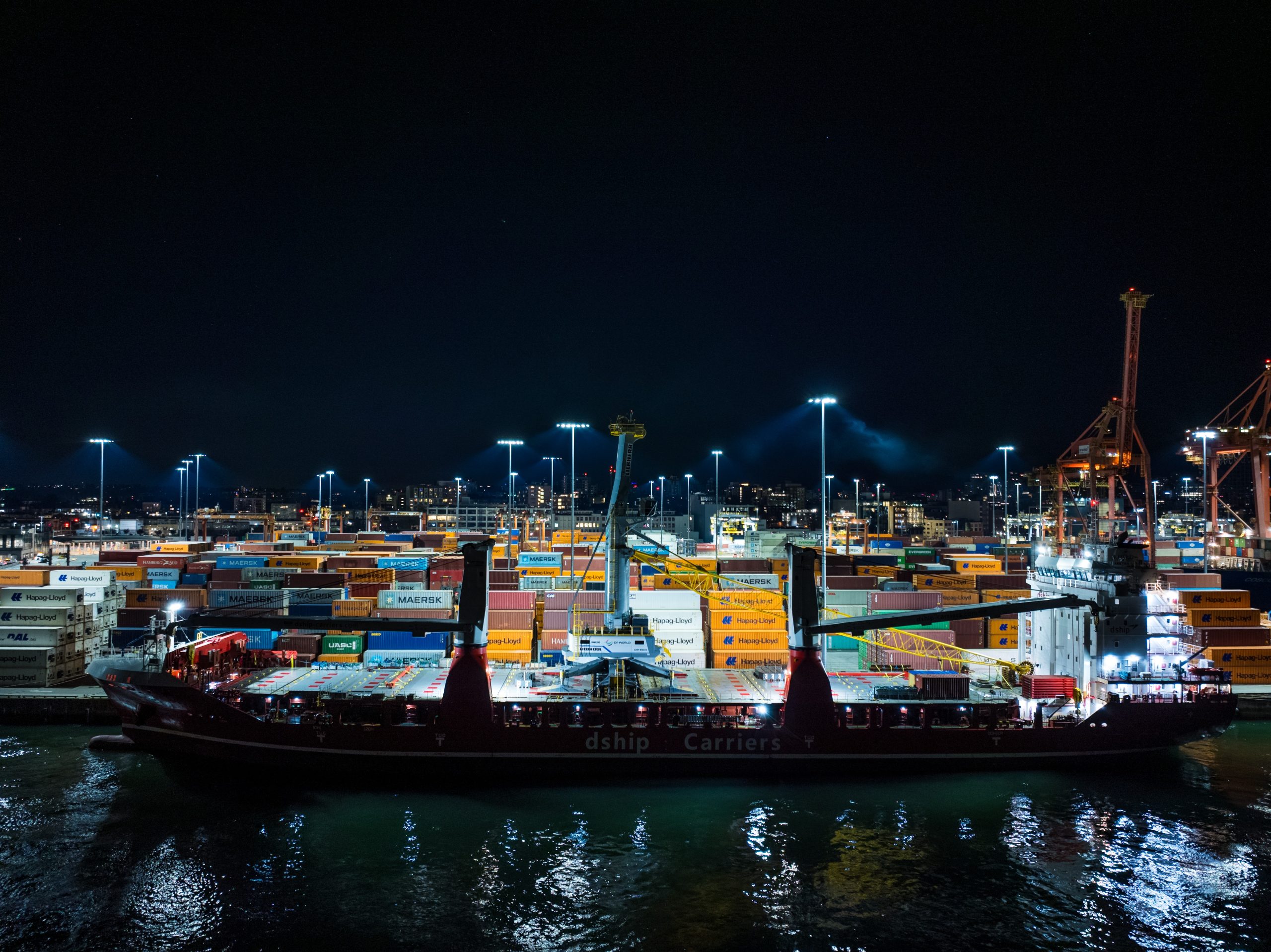

High-level representatives of the entity referred to as the “Board of Peace” have engaged in substantive discussions with DP World, the Dubai-based global logistics conglomerate, concerning the management of supply chains and critical infrastructure within the Gaza Strip. These dialogues, reported by the Financial Times, signal a potential paradigm shift in the private sector’s role in post-conflict reconstruction, positioning a major multinational corporation at the heart of a proposed logistical framework.
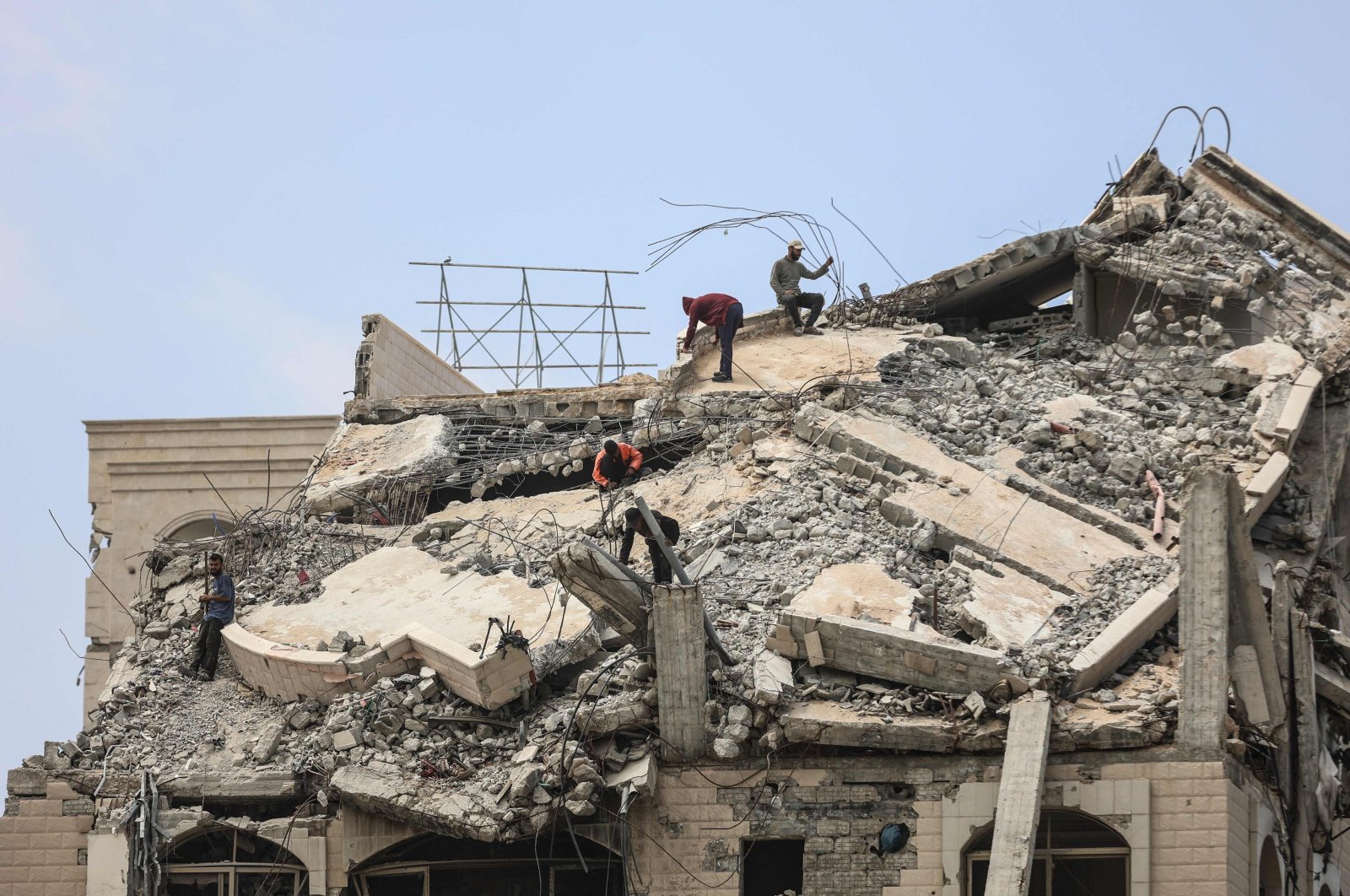
The financial and sovereign capital implications of this potential partnership are immense, with international estimates placing the total cost of rehabilitation in the region of $70 billion. For DP World, securing a role in this scenario offers direct access to a significant sovereign-backed project, aligning with the strategic interests of regional investors seeking to channel capital into large-scale, high-stakes infrastructure development. The discussions encompass not only the rehabilitation of existing facilities but also the establishment of a new port and a designated free-trade zone, which would require substantial sovereign guarantees and investment to materialize.
From a regional infrastructure perspective, the proposed model could redefine logistics and supply chain management in the Levant. The involvement of a firm like DP World brings with it the expertise in port operations and global trade networks, suggesting a move toward professionalized, tech-driven management of humanitarian and commercial flows. This arrangement would necessitate the deployment of advanced tracking and security systems, setting a new benchmark for the integration of private enterprise into the complex challenge of rebuilding critical infrastructure in a fragile economic environment.