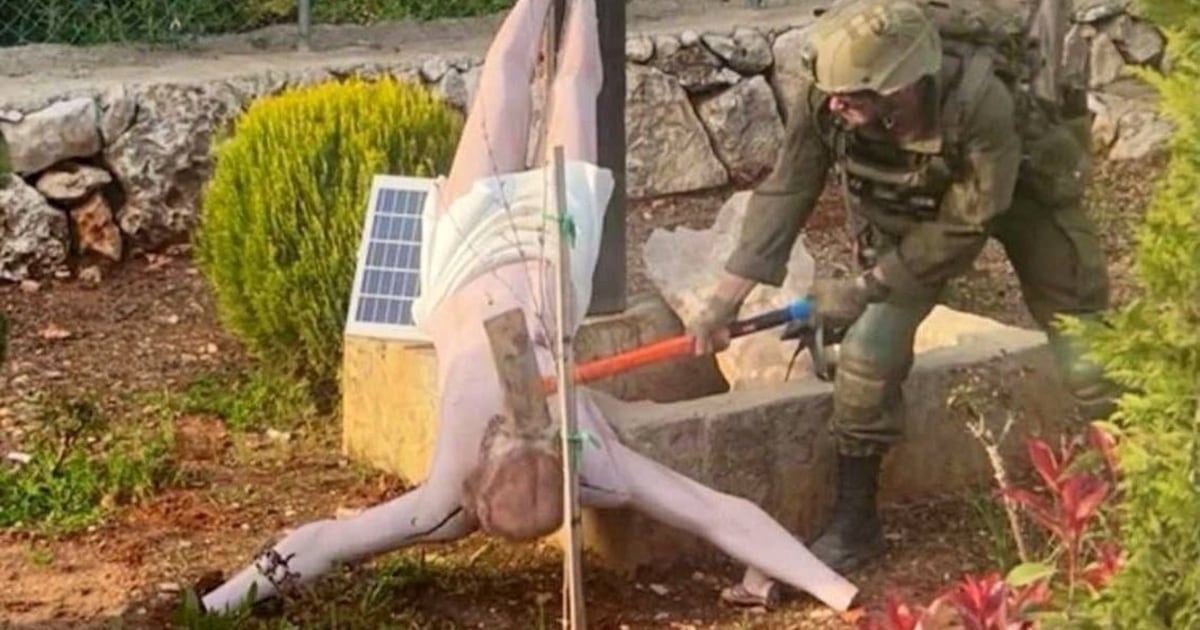

The unfolding crisis in Lebanon has spotlighted the profound business consequences ripple through the South after a striking Israeli soldier was photographed striking a sacred Jesus crucifix. This act, while seemingly localized, reverberates far beyond religious symbolism into the realms of sovereign capital, venture capital, and regional infrastructure. Israeli authorities’ imposition of strict military discipline following the incident signaled a heightened tension between state security imperatives and the obligations that sovereign states—particularly in a Middle East and North Africa (MENA) context—impose upon their diplomatic and military partners. This has triggered a recalibration of investor sentiment, with local and foreign stakeholders reassessing risk exposure within the volatile geopolitical environment.
Sovereign capital flows have been significantly affected, as investors reevaluate Lebanon’s economic resilience in light of military tit-for-tat rhetoric. The sovereign credit rating, already under persistent scrutiny, faces further strain, with potential capital outflows accelerating amid fears over continued instability. Venture capital firms, accustomed to navigating high-risk markets with strategic foresight, are recalibrating their portfolios, favoring sectors with demonstrable resilience against state-driven economic volatility. In the MENA region, this reconfiguration is underscored by a renewed interest in infrastructure resilience, where strategic investments in transportation, energy, and disaster preparedness are prioritized to insulate economies from direct conflict fallout.
Region-wide, the Israeli military’s engagement with Lebanese authorities has exposed the fragility of humanitarian corridors, directly impacting the delivery of essential services and goods. Such disruptions catalyze a collective push for enhanced regional infrastructure resilience, as MENA economies confront the imperative to safeguard public capital across volatile frontlines. Israel’s military actions, while framed as necessary security responses, inadvertently catalyze a cycle of regional concern, compelling governments and financial institutions to reimagine risk mitigation strategies. These developments underscore the critical intersection between war economies, capital allocation, and long-term regional development in the contemporary Middle East.