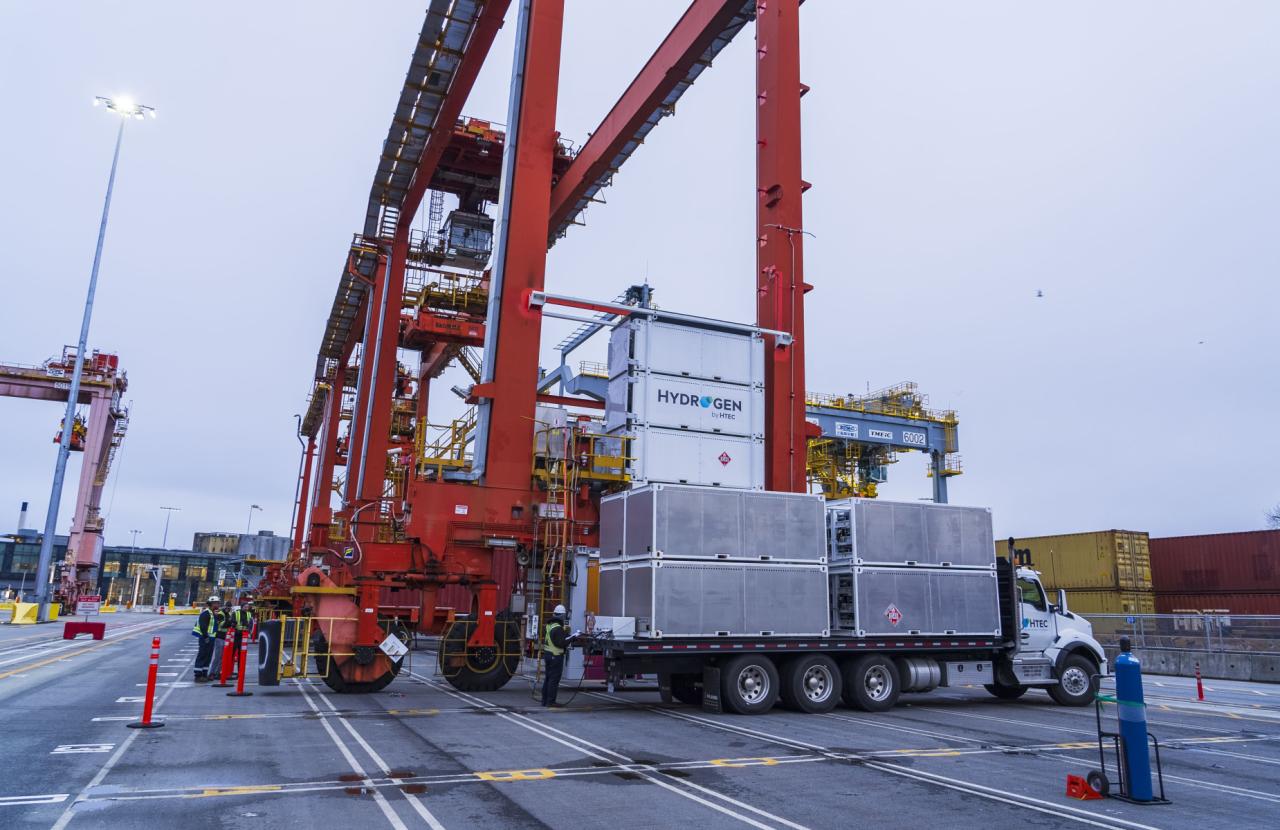

The accelerating decarbonization of global logistics infrastructure represents a material shift in capital allocation patterns that sovereign wealth funds and institutional investors in the Middle East and North Africa cannot afford to overlook. DP World’s extensive sustainability deployment across the Americas—from hydrogen fuel cell crane pilots in Vancouver to fully electrified port operations in Chile—demonstrates a operational blueprint that directly informs how regional port operators and infrastructure developers should approach capital expenditure planning over the coming decade. The financial implications are substantial: ports that fail to integrate clean energy infrastructure now face obsolescence risk as regulatory frameworks tighten and cargo owners increasingly demand verified emissions data from their supply chain partners.
For MENA sovereign capital, the strategic calculus extends beyond port operations themselves. The $3.5 trillion in assets under management across Gulf Cooperation Council sovereign wealth funds creates significant dry powder for infrastructure transition investments, yet the opportunity set requires sophisticated sector selection. DP World’s experience in Latin America illustrates that first-mover advantage in renewable energy adoption—such as the 100% renewable-powered terminal at Lirquén, the first in South America—generates both cost efficiencies and preferential positioning for green cargo contracts. Regional infrastructure developers should view these case studies as templates for structuring public-private partnerships that attract international institutional capital seeking verifiable ESG outcomes.
The venture capital dimension warrants particular attention from MENA’s growing tech investment ecosystem. The technologies deployed across DP World’s Americas network—electric rubber-tired gantry cranes, hydrogen fuel cells, solar photovoltaic installations, and marine biodiversity enhancement systems—represent mature deployment opportunities rather than early-stage research. However, the integration challenges: charging infrastructure, grid synchronization, and emissions monitoring systems, present venture-scale opportunities for regional startups. The circular economy components, including waste-to-energy conversion and biomass reuse demonstrated at the Santos terminal, align with national diversification strategies across Saudi Arabia, the UAE, and Qatar that prioritize industrial symbiosis and sustainable urban development.
The infrastructure implications for MENA ports are unambiguous. As global trade routes reconfigure to accommodate cleaner logistics corridors, port operators in Dubai, Jeddah, Tangier, and Alexandria must accelerate capital investment programs that integrate renewable energy generation, electrification of cargo handling equipment, and ecosystem protection measures. The operational metrics from DP World’s Americas deployments—60% diesel reduction in Brazil, 22% carbon footprint reduction in Peru despite volume increases, and 2,000 tons of waste diverted from landfills—provide the benchmarking data that regional infrastructure investors require for investment committee approvals. The trajectory is clear: sustainable port infrastructure is no longer a reputational exercise but a fundamental driver of long-term asset value and competitive positioning across the region’s critical trade gateways.