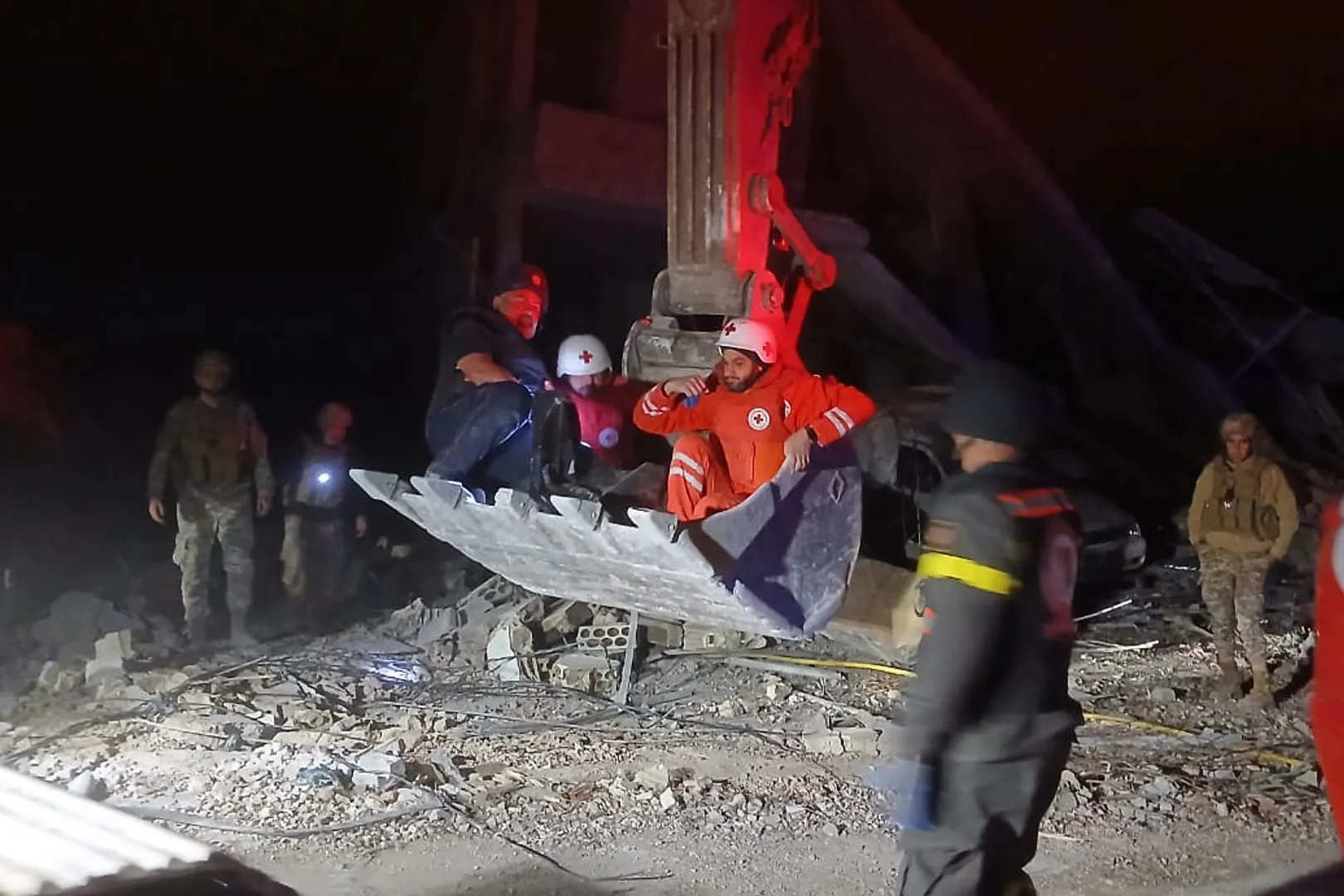

Recent escalating tensions in the Middle East, exemplified by the tragic loss of journalist Amal Khalil and injury of her colleague in southern Lebanon, underscore the profound and increasingly complex interplay between geopolitical instability, sovereign capital allocation, venture capital flows, and the crucial development of regional infrastructure.
The immediate business impact of such incidents extends beyond journalistic casualties. Heightened regional volatility directly threatens ongoing and planned infrastructure projects – from energy pipelines and transportation networks to digital connectivity initiatives – often heavily reliant on sovereign capital and international investment. These projects are vital for long-term economic diversification and regional integration, yet are now facing increased risk and potential delays. Furthermore, the uncertainty discourages venture capital deployment into sectors crucial for future growth, particularly in technology and innovation, which are foundational to realizing the potential of these infrastructure investments.
The implications for sovereign wealth funds are significant. These funds, often positioned as key drivers of regional economic development, are now navigating a more precarious investment landscape. Risk mitigation strategies are likely to become paramount, potentially leading to a shift in investment priorities towards more stable or strategically aligned sectors. Simultaneously, the need for robust regional infrastructure becomes ever more apparent as a means to foster resilience and facilitate economic activity in the face of ongoing geopolitical challenges. This necessitates increased coordination among regional players and potentially the mobilization of dedicated sovereign capital for security and infrastructure development.
Ultimately, the confluence of these factors – geopolitical risk, sovereign capital strategies, venture capital hesitancy, and infrastructure development imperatives – paints a picture of both significant challenges and potential opportunities for the MENA region. Navigating this evolving landscape will require astute financial management, strategic infrastructure planning, and a concerted effort to foster stability and confidence to unlock the region’s long-term economic potential and facilitate sustained growth.