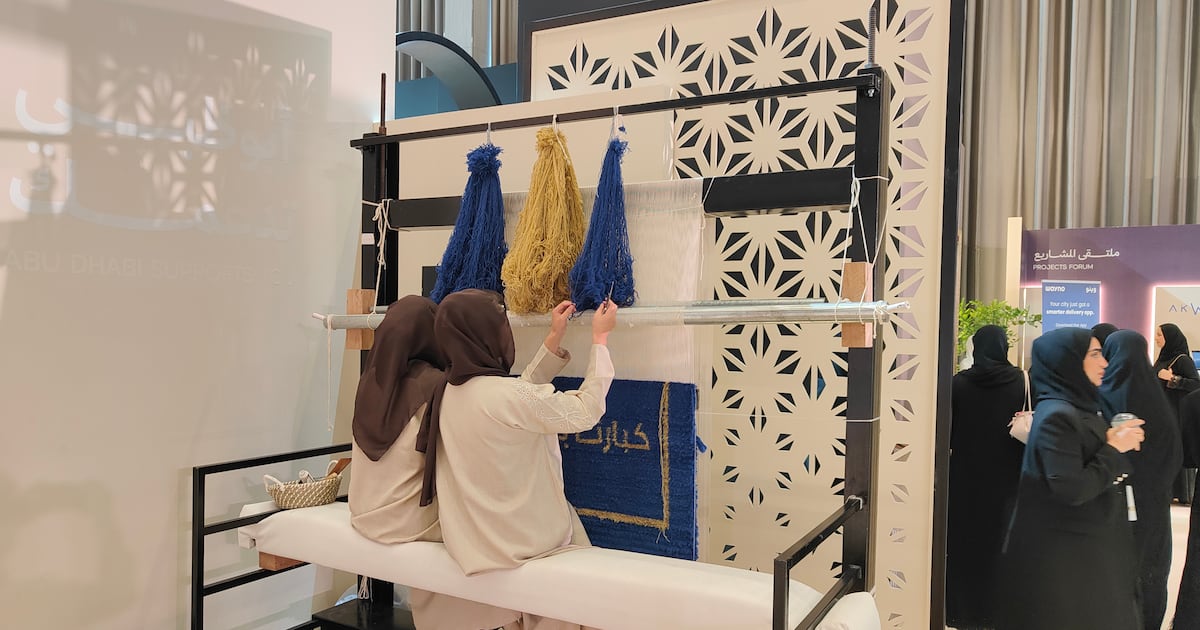

The intersection of art and commerce is catalysing a paradigm shift among MENA entrepreneurs, as creative professionals increasingly leverage traditional skills to build scalable ventures. This transition from hobbyist to professional is unlocking new capital flows, with sovereign wealth funds and institutional investors recognising the strategic value of nurturing homegrown creative industries. The establishment of dedicated cultural entrepreneurship platforms signals a maturing ecosystem that converts intangible heritage into tangible economic assets, reducing reliance on hydrocarbon revenues while fostering sustainable job creation.
Venture capital deployment into the creative sector is increasingly sophisticated, targeting infrastructure that connects artisanal talent with global markets. This includes digital marketplaces, supply chain logistics for traditional materials, and IP protection frameworks essential for high-value design exports. For sovereign capital providers, these investments represent a dual mandate: preserving cultural authenticity while generating financial returns. The emphasis on training underserved communities in techniques such as Sadu weaving and traditional pigment cultivation not only preserves heritage but creates a resilient, export-oriented workforce aligned with long-term economic diversification goals.
Regionally, these initiatives necessitate robust infrastructure, from specialised manufacturing hubs and cold-chain logistics for artisan goods to fintech solutions that provide micro-financing for emerging creators. The integration of such projects into formal financial systems will determine the long-term viability of creative enterprises, requiring coordinated policy frameworks and public-private partnerships. Without this structural reinforcement, the risk of fragmentation increases, preventing the consolidation of the MENA region into a cohesive high-growth creative economy capable of competing on a global scale.