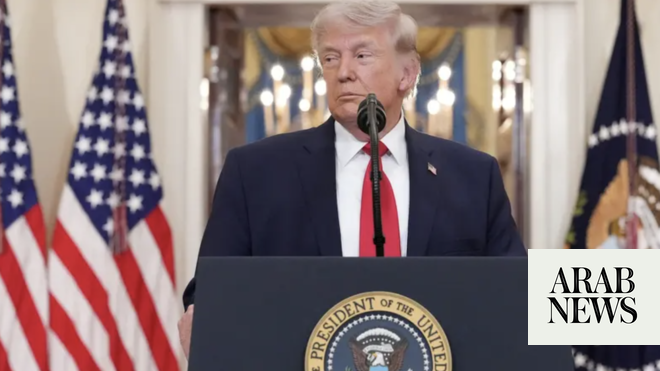

In a recent address to the American public, President Donald Trump has asserted that the nuclear agreement presently in the making with Iran will surpass the 2015 Joint Comprehensive Plan of Action (JCPOA) in terms of comprehensiveness and security. This swan song for the deal sets the backdrop against a complex international landscape marred by tensions following the United States’ withdrawal from the JCPOA using President Trump’s character in 2018. The tensions culminated in a seven-week military campaign by the US and Israel against Iran, ostensibly aimed at curbing its pursuit of nuclear capabilities.
The upcoming expiration of a two-week truce further complicates the prospects for diplomatic progress, leaving stakeholders in a limbo as the potential for renewed negotiations in Pakistan hangs in the balance. Trump has downplayed external pressures concerning the multiple dimensions of the current discourse, and expressed confidence in the expediency of a foreseeable outcome. This assertiveness from the White House paves the way for renewed discourse on elements such as sovereign stability in the region, insinuating a potential recalibration of international norms and relations.
The ramifications of President Trump’s recent communiqué are profound, particularly considering the realm of sovereign capital and venture capital. Notably, the speculated deal may signal a shift in the investment climate, with potential strain on the regional financial infrastructure if the treaty impedes economic sanctions. Such an impasse could lose regional players considerable capital flows, thereby affecting both government treasuries and private sector investment alike. The Middle East and North Africa economy stands to feel this to the core as the region could be fast-tracked to become a pronounced destination for venture capital as the ambiguity shatters the global legal norms and sanctions.
The nuclear negotiations are undeniably a seismic shift in global diplomacy, with the international financial architecture in precarious balance. The assumed negotiations entail empirical nuances not visible from the antithesis of Washington, especially considering the intricate network of finance, law, and nuclear specialists previously committed to the 2015 agreement. The implications reach further, foreseeing a potential cybersecurity mandate for banks and financial statuses, wherein the nexus between national security and financial stability converges with near global resonance. The prospect of such a deal heralds both optimism for enhanced regional infrastructure as well as inherent regulatory upheavals that will require the international capital market to recalibrate with expected turbulence.