
The escalating tensions surrounding the Strait of Hormuz, a critical chokepoint for global oil supply, are intensifying the geopolitical risk profile of the Middle East and North Africa (MENA) region. Recent statements from Iran’s chief negotiator, alleging US and Israeli “violations” that impede passage, underscore the profound business impact of this strategic waterway. The implications extend far beyond maritime security, touching upon sovereign capital flows, regional infrastructure development, and the broader dynamics of the energy market. While the immediate trigger appears to be a dispute over freedom of navigation, the underlying complexities are rooted in a confluence of geopolitical rivalries and long-standing mistrust.
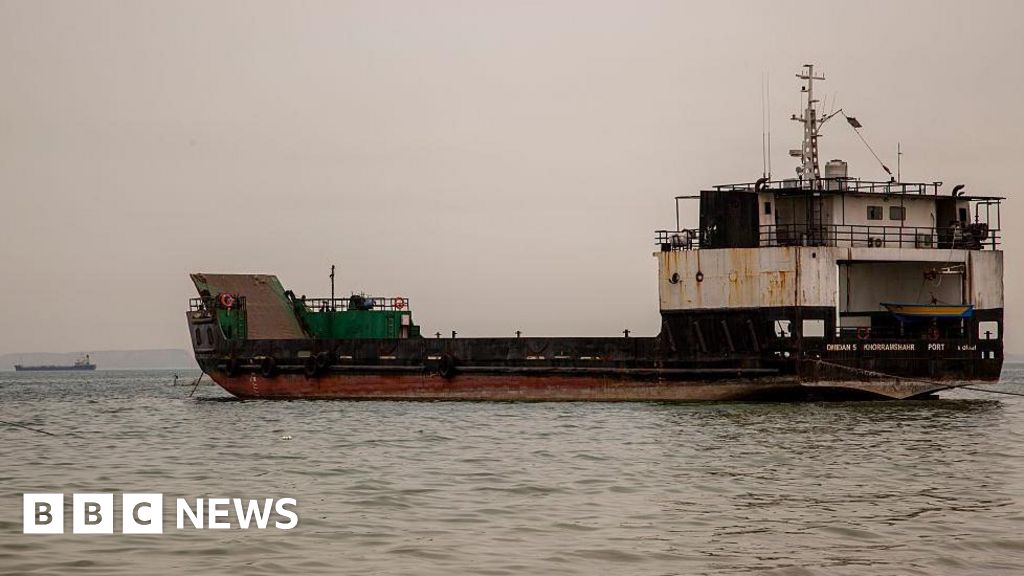
The immediate business impact is felt globally through potential disruptions to oil exports. The Strait of Hormuz carries approximately 20% of the world’s oil supply, making its security paramount to global economic stability. A closure, even partial, would trigger significant price volatility and supply chain bottlenecks. This situation further exacerbates existing inflationary pressures and risks destabilizing financial markets. Furthermore, the heightened risk of conflict necessitates increased insurance premiums for shipping companies and potentially forces alternative, and significantly more costly, routes, impacting profitability. The sovereign capital of nations reliant on regional energy revenues faces substantial uncertainty, potentially impacting investment decisions and economic growth prospects.
Beyond immediate disruptions, the Strait of Hormuz crisis presents significant challenges for the nascent venture capital ecosystem within the MENA region. Investment in port infrastructure, shipping technology, and energy trading platforms is contingent on a stable and predictable geopolitical environment. Increased volatility directly translates to reduced investor appetite and delayed capital deployment. Moreover, the region’s ambitious infrastructure development plans, focused on enhancing port capacity and diversifying energy sources, are vulnerable to setbacks driven by heightened tensions. The potential for escalation compels caution, potentially hindering long-term investments in areas vital for the region’s economic diversification and future competitiveness.
Finally, the Strait of Hormuz situation underscores the urgent need for strategic investments in regional infrastructure capable of mitigating potential disruptions. This includes exploring alternative supply routes, developing robust cybersecurity measures to protect critical shipping lanes, and fostering greater cooperation among regional and international actors. Successful mitigation requires a long-term perspective, prioritizing infrastructure investments that enhance resilience and promote regional economic integration. Failure to proactively address these vulnerabilities will further fragment the MENA energy market and impede sustained economic development, ultimately impacting the region’s long-term appeal for sovereign capital and venture capital seeking promising opportunities. The crisis serves as a stark reminder of the inextricable link between geopolitical stability and economic prosperity in the Middle East and North Africa.