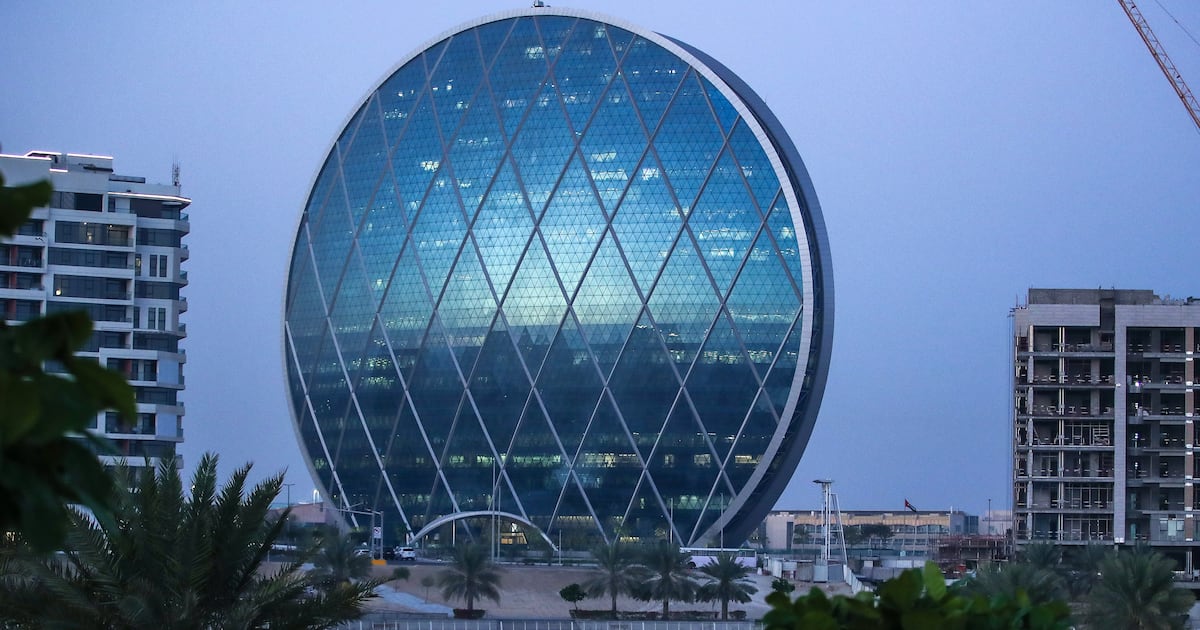

Aldar Properties, backed by significant sovereign capital and increasingly complemented by regional and international venture capital, is further solidifying Abu Dhabi’s position as a key logistics and industrial hub with its recent acquisition of logistics assets from Khalifa Economic Zones Abu Dhabi (Kezad), a unit of AD Ports Group. The Dh650 million ($177 million) deal, encompassing three multi-let warehouses within Kezad’s Al Ma’mourah cluster, underscores a strategic alignment between public sector infrastructure development and private sector investment in the region’s burgeoning supply chain ecosystem. This move is particularly impactful in light of broader Middle East and North Africa (MENA) trends, where governments are actively seeking to diversify their economies and attract foreign direct investment through robust logistical networks.
The transaction’s implications extend beyond immediate asset transfers, directly influencing regional infrastructure development and attracting further investment. With the acquired warehouses boasting a 97% occupancy rate and a diverse tenant base including major players like DHL and Spinneys, the deal signals strong demand for quality industrial space within Abu Dhabi. This demand, in turn, validates the UAE’s long-term economic strategy centered on enhancing its connectivity and trade facilitation capabilities. For AD Ports Group, the proceeds from this and similar asset monetisation initiatives – totaling a projected Dh1 billion for 2026 – will be instrumental in fulfilling its balance sheet de-leveraging targets and financing ongoing expansion projects, including further investments in its extensive port and logistics infrastructure.
The interplay between sovereign wealth funds, such as Aldar’s implicit backing, and private capital is a defining characteristic of MENA’s economic landscape. This acquisition exemplifies how strategic asset management by state-backed entities can catalyze private sector growth and attract further foreign capital. Moreover, the increasing participation of venture capital firms in logistics and industrial technology within the region suggests a maturing ecosystem with significant potential for innovation and value creation. The ongoing development of integrated economic zones like Masdar City and Kezad, facilitated by such transactions, will be crucial in attracting global businesses and fostering long-term economic sustainability across the MENA region.