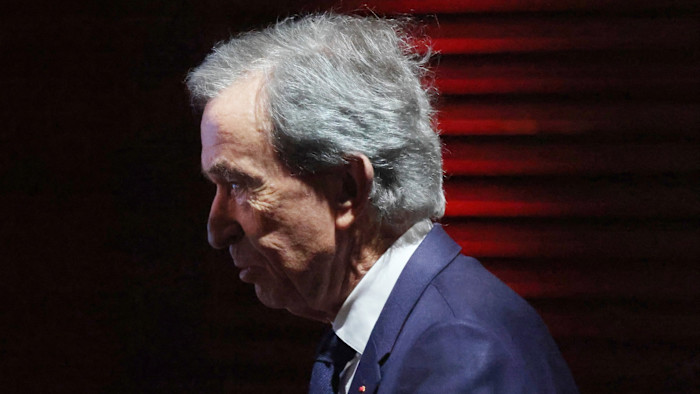

The escalating conflict in the Middle East has dealt a significant blow to luxury goods demand across the region, with LVMH reporting sales declines of up to 70 per cent in certain Middle Eastern malls during early March, underscoring the profound vulnerability of high-end retail to geopolitical instability. At the conglomerate’s annual meeting, chief executive Bernard Arnault warned that a prolonged conflict involving the United States and Iran could transform into a “global catastrophe with extremely serious and very negative economic developments,” potentially derailing the group’s anticipated recovery across its fashion, hospitality, and spirits divisions. The Paris-listed luxury giant behind Louis Vuitton and Dior saw first-quarter organic sales growth pruned by a percentage point due to the conflict, with the broader MENA region—historically a critical growth engine for premium brands—facing a demand vacuum that threatens to persist well beyond the immediate crisis period.
For sovereign wealth funds across the Gulf Cooperation Council states, the disruption represents a sobering reminder of the concentration risks embedded within their diversified investment portfolios, many of which maintain substantial exposure to European luxury conglomerates through direct holdings and sovereign investment vehicles. The timing could hardly be more inopportune for regional diversification agendas: Saudi Arabia’s Vision 2030 initiative and the UAE’s post-oil economic transition strategies both rely heavily on sustaining appetite for premium goods and experiences among burgeoning middle and upper-middle classes. The conflict’s impact on shipping lanes through the Strait of Hormuz compounds these challenges, threatening supply chain integrity and inflating logistics costs that ultimately filter through to consumer pricing in markets already exhibiting heightened price sensitivity.
Venture capital activity in the regional luxury and retail technology sectors faces a potential slowdown as investors adopt a more cautious stance toward consumer-facing investments in markets proximate to active conflict zones, even as core Gulf markets remain relatively insulated from direct impact. The broader infrastructure implications extend beyond retail: hospitality projects across the Levant and Eastern Mediterranean—key to regional tourism diversification strategies—now face revised outlooks, with implications for the hotel and premium experiences segments where LVMH has been aggressively expanding its brand presence through ventures such as Cheval Blanc. Arnault’s close relationship with the Trump administration and attendance at last year’s inauguration underscore the delicate political calculus facing European business leaders navigating Middle Eastern markets, as the conflict threatens to reshape the economic landscape upon which sovereign capital allocation and regional growth narratives have been constructed.