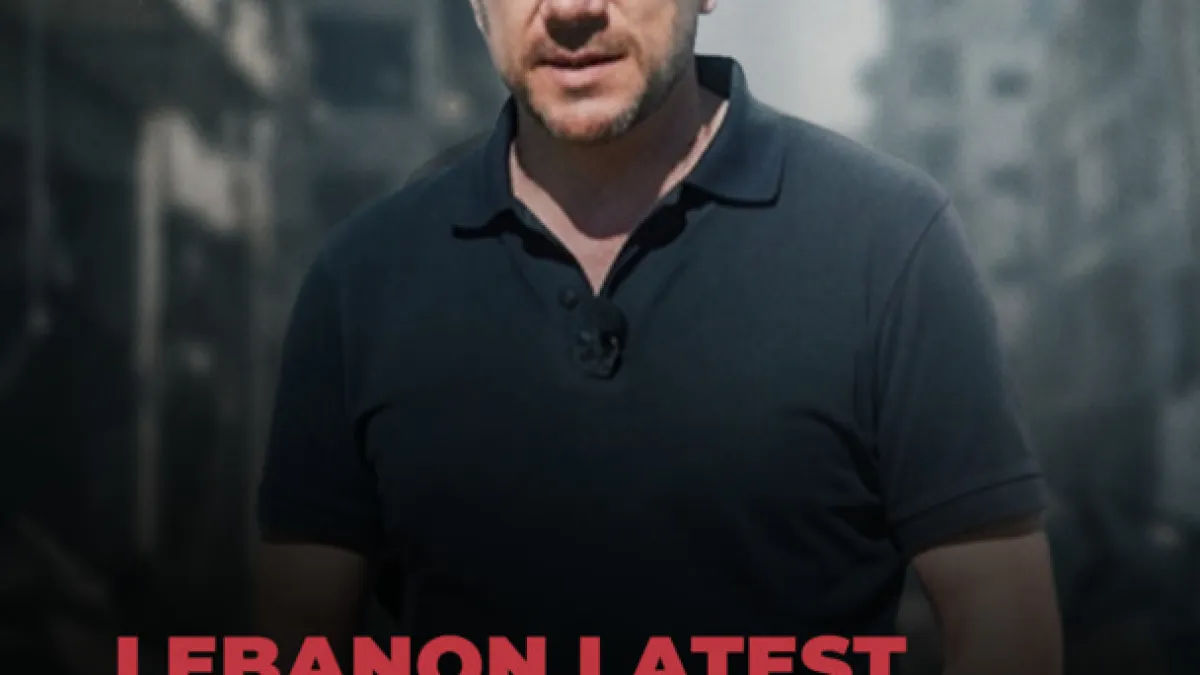

The current cessation of hostilities across the Levant, while tactically fragile, introduces a critical pause for sovereign wealth funds and institutional allocators assessing exposure to the Eastern Mediterranean. The recent escalation—marked by the targeting of civilian infrastructure and media personnel—directly heightens the risk premium on Lebanese sovereign debt and complicates the already arduous pathway toward economic stabilization. For regional financial hubs like Dubai and Abu Dhabi, the volatility necessitates a recalibration of cross-border venture capital deployment, as the potential for supply chain disruptions threatens the steady flow of capital required for the Gulf’s diversification mandates.
From a macroeconomic perspective, the instability poses a threat to the broader MENA infrastructure narrative, particularly concerning the stabilization of Lebanon’s financial sector and its integration into regional trade corridors. Sovereign capital managers are likely to maintain a defensive posture, prioritizing the security of existing assets over new commitments in high-risk zones until a verifiable political framework emerges. This environment reinforces the bifurcation of the regional economy, where stable Gulf jurisdictions continue to attract flight capital, while conflict-adjacent markets face deepening liquidity constraints and a stalled digital transformation agenda.
The implications for the regional technology ecosystem are equally pronounced, as geopolitical uncertainty acts as a deterrent to foreign direct investment and late-stage venture funding. The physical risks to first responders and civil infrastructure underscore the vulnerability of the underlying systems that support digital economies and logistics networks. As institutional investors demand higher yields to offset geopolitical beta, the cost of capital for MENA startups and infrastructure projects will likely rise, forcing a more rigorous assessment of jurisdictional risk in portfolio construction across the region.