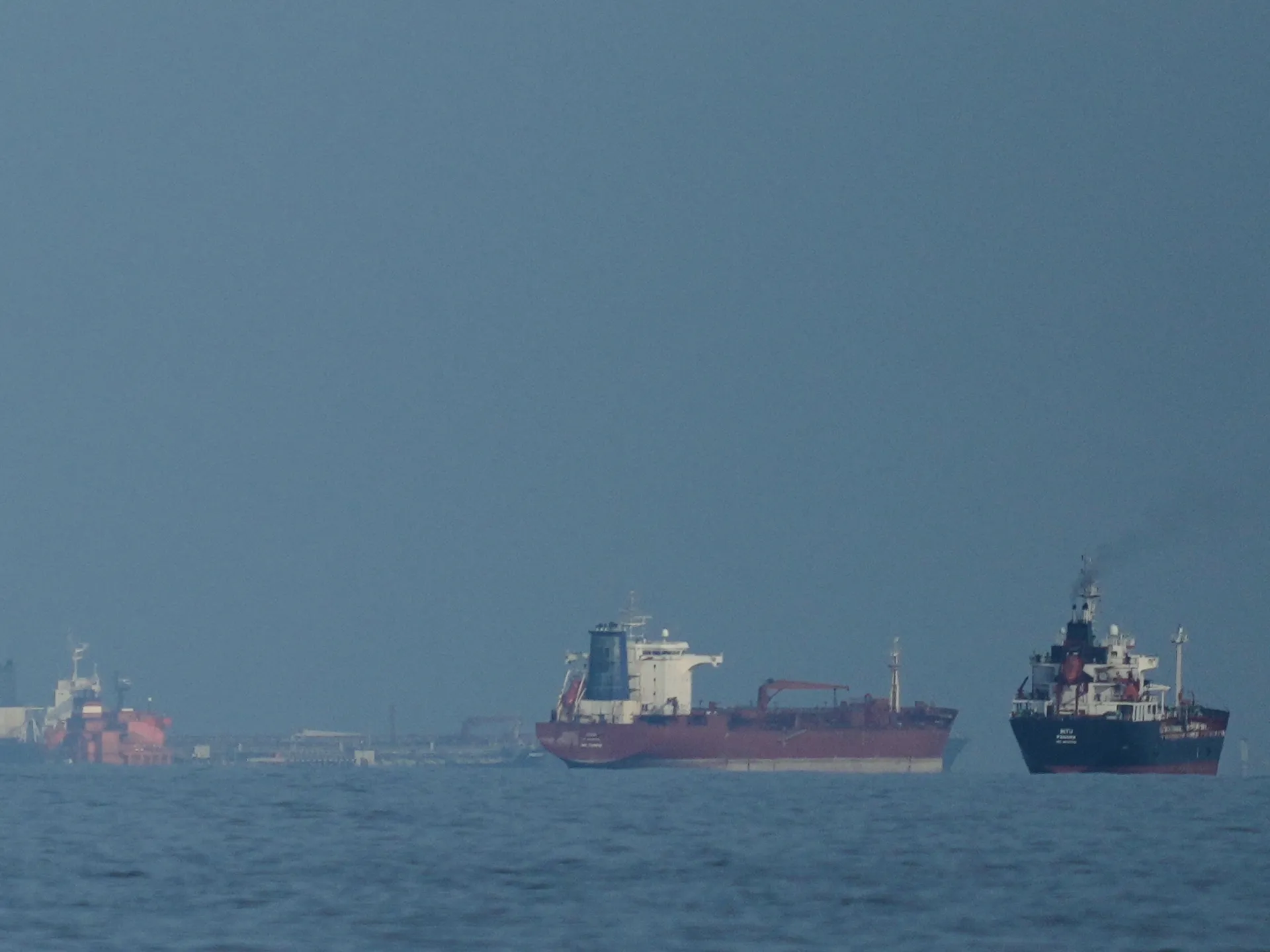

Middle Eastern sovereign wealth funds are recalibrating their global investment strategies amid persistent geopolitical volatility and shifting global capital flows. Institutions such as Saudi Arabia’s Public Investment Fund (PIF) and the UAE’s Abu Dhabi Investment Authority (ADIA) are prioritizing liquidity preservation while maintaining stakes in high-growth sectors like renewable energy and technology infrastructure. This dual focus on stability and innovation has created a competitive landscape for sovereign capital, with regional governments leveraging their balance sheets to acquire strategic assets in Europe and North America. The ripple effects are evident in heightened regional infrastructure development, as capital freed from international deployments is being redirected toward Gulf Cooperation Council (GCC) megaprojects, including Saudi Arabia’s NEOM smart city and the UAE’s Eastern Coral mega port initiative.
Venture capital ecosystems across the Middle East and North Africa (MENA) are undergoing a structural transformation, driven by sovereign-backed risk-taking guarantees and regulatory sandbox initiatives. Countries like Saudi Arabia and the United Arab Emirates have established dedicated venture capital funds—such as the PIF’s $2 billion allocation for startups and Saudi Arabia’s $500 million fintech investment vehicle—to de-risk private sector participation. These programs have attracted global institutional investors, including U.S.-based Warburg Pincus and French firm Idinvest, who are co-investing with national entities to access underpenetrated markets. The result is a surge in tech exits and unicorn valuations, particularly in fintech, proptech, and agritech, which align with regional priorities for economic diversification and digital governance.
Infrastructure development in the MENA region remains a linchpin of long-term economic resilience, with sovereign-backed financing mechanisms enabling large-scale public-private partnerships. Projects such as the UAE’s 5G rollout, Morocco’s Aljazeera International Logistics Hub, and Jordan’s electrification initiatives are being funded through a blend of bilateral official development assistance (ODA) and sovereign-backed syndicated loans. These efforts are mitigating historical bottlenecks in cross-border trade and energy security while creating a talent pipeline for high-skilled industries. However, challenges persist in harmonizing regional regulatory frameworks and addressing debt sustainability concerns, particularly among lower-tier economies reliant on sovereign subsidy transfers.