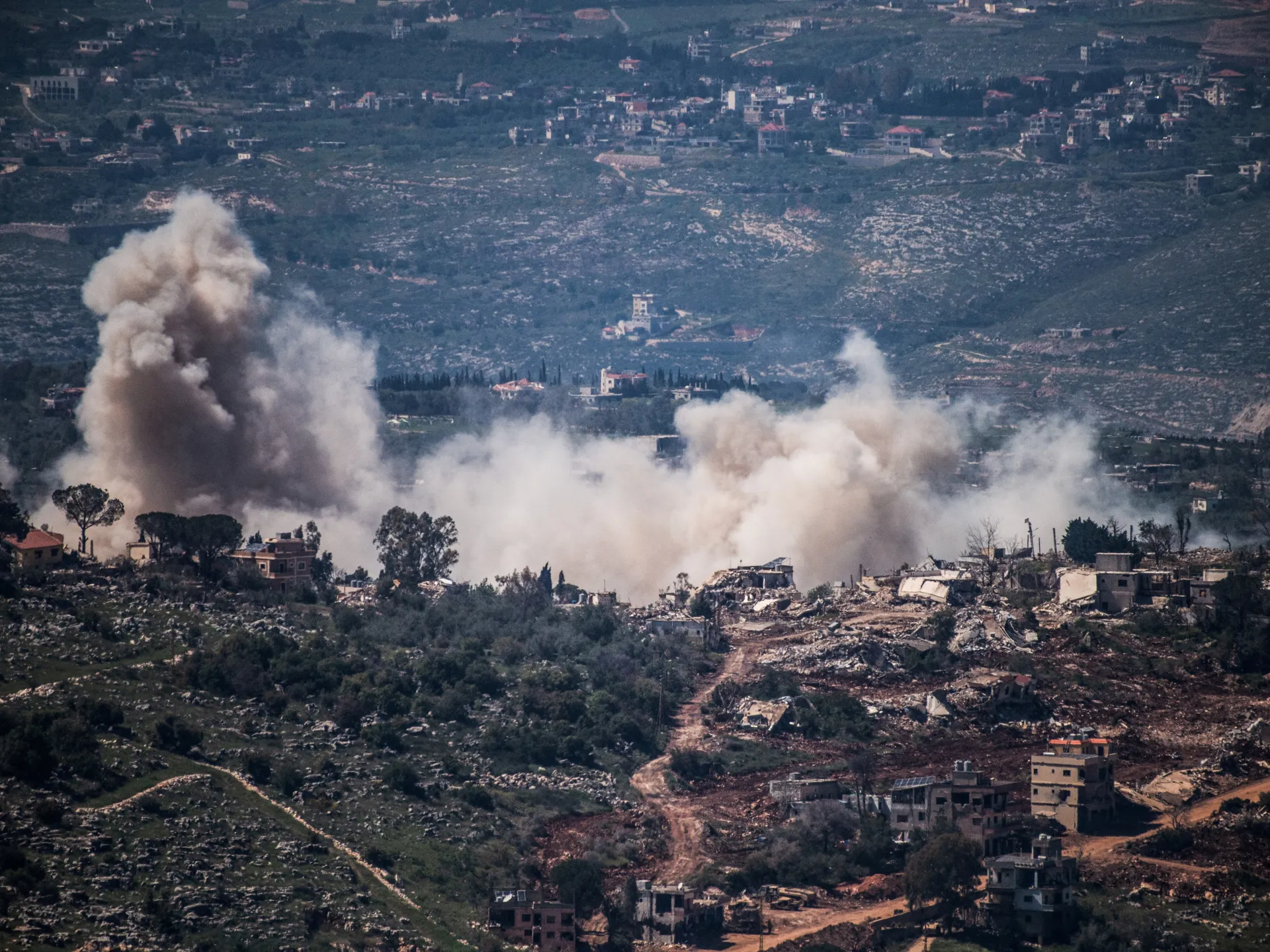

The absence of an Iranian delegation to commence a new round of talks with the United States in Islamabad presents a significant uncertainty regarding regional geopolitics and the potential impact on sovereign capital markets. The ongoing tensions, underscored by the naval blockade of Iranian ports and the seizure of an Iranian vessel, serve as a stark reminder of the fragile nature of regional stability. The threats posed to Iran’s infrastructure by the United States carry profound implications for the country’s economic and technological endeavors, particularly within the MENA region.
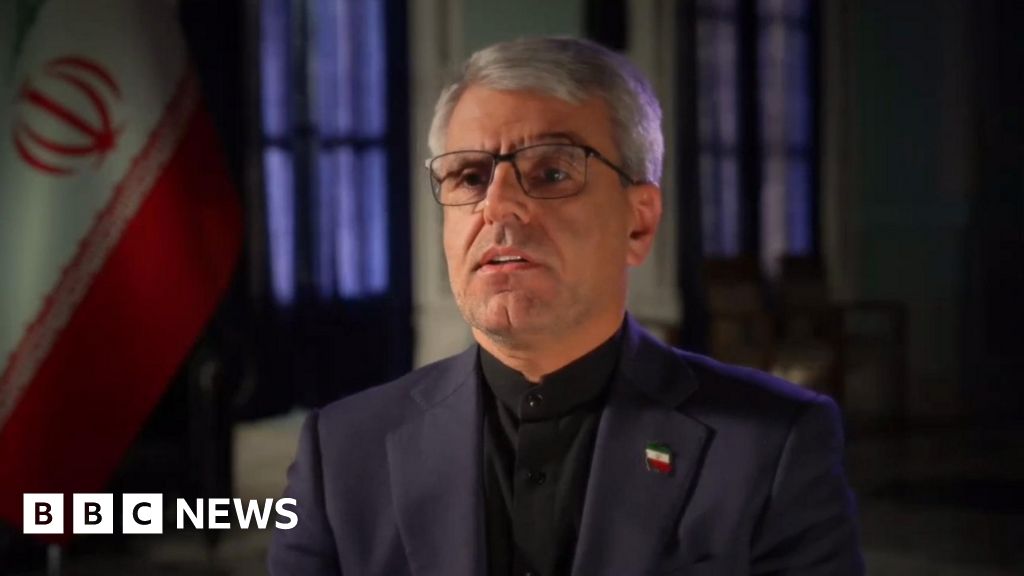
Secretary Baghaiei’s condemnation of the reported ceasefire violations by the US marks a turning point in the discussions that may require a reevaluation of negotiating conditions. This could further disrupt market confidence and the flow of venture capital into emerging startups across the Middle East, as concerns over economic instability persist.
Moreover, the Benghazi issue underlines the broader concern among national and multi-national investors about the volatility of the regional infrastructure landscape. The potential for US sanctions to target Iranian assets could limit foreign direct investment, which is pivotal for the financial and technological growth of the region. As conversations aim to establish conditions conducive to restarting talks, the international community, especially investors and financial institutions, will be on high alert, waiting for a signal that may restore confidence in the MENA region’s potential for growth and stability.