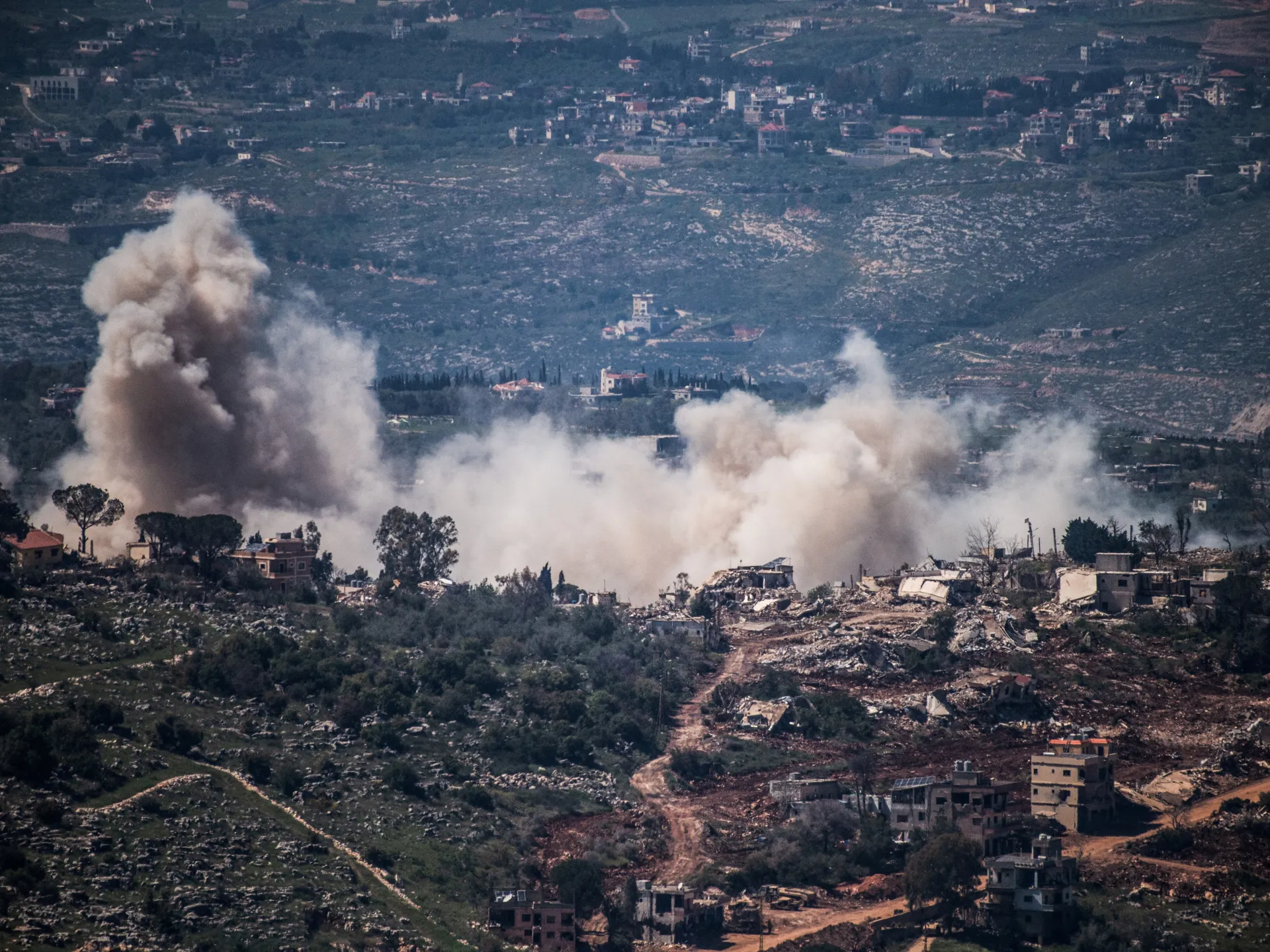

The arithmetic of attrition in Gaza now shadows capital allocation across the MENA region, re-pricing sovereign balance-sheet risk at a moment when fiscal buffers are already under strain. Liquidity surges from hydrocarbon and sovereign wealth portfolios have historically underwritten stability premiums and domestic investment pipelines, yet an open-ended security shock exposes refinancing and FX vulnerabilities in frontier markets and high-beta frontier tech pipelines. Sovereign capital is recalibrating duration and geography, leaning into defense, logistics, and critical infrastructure as defensive real assets while thinning exposure to consumption-led plays that depend on social throughput and cross-border mobility.
Venture and growth capital, once laser-focused on platform scale across the Levant and North Africa, is compressing ticket sizes and elongating return horizons as operating environments fragment. Limited partners are mandating higher liquidity covenants and stress-testing portfolio companies against supply-chain and payments dislocation, with fintech and logistics startups facing the sharpest re-pricing. Sponsors are pivoting to dual-use and deep-tech verticals backed by sovereign anchor capital, a shift that entrenches state-affiliated venture as the decisive allocation gatekeeper and sidelines purely civilian, cross-border bets.
Infrastructure strategy is pivoting from pure throughput maximization to hardened, multi-corridor resilience, with Red Sea–Mediterranean pinch points driving capital into alternative ports, power interconnects, and secure cloud enclaves. Public–private pipelines will prioritize capex-light, revenue-protected assets such as water security, grid edge systems, and spectrum redundancy, funded through project bonds rated off sovereign guarantees rather than merchant traffic assumptions. These moves quietly reweight regional integration away from north–south fragility corridors toward east–west redundancy loops linking GCC liquidity to North African demand nodes.