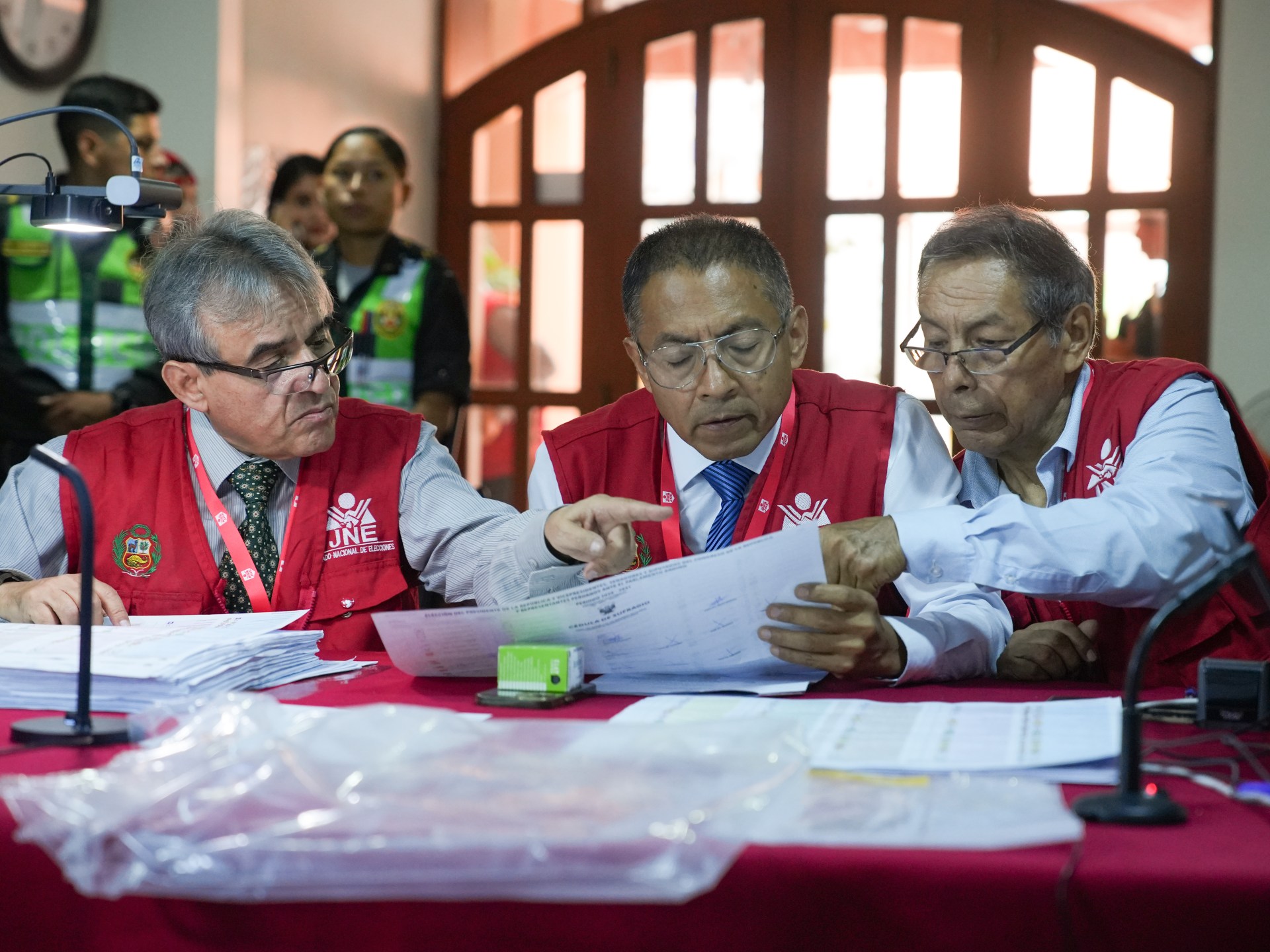

The abrupt security sweep targeting former National Office of Electoral Processes chief Piero Corvetto underscores a volatile political environment in Peru, a trend that resonates across the Middle East and North Africa where institutional credibility remains a linchpin for sovereign credibility. Such episodes of abrupt governance shifts elevate country risk premiums and reverberate through sovereign debt spreads, compelling rating agencies to reassess fiscal outlooks and fiscal financing buffers.
Consequently, sovereign capital markets in the region have responded with heightened vigilance, as investors recalibrate exposure to sovereign issuers perceived as susceptible to electoral turbulence. The resultant premium compression for stable Gulf Cooperation Council (GCC) economies is offset by a modest uptick in yield curves for more politically exposed markets, prompting sovereign wealth funds to tighten allocation thresholds and prioritize liquidity preservation.
For venture capital and private equity firms, the episode serves as a stark reminder that regulatory unpredictability can erode exit multiples and inflate due‑diligence costs. Investors are increasingly scrutinizing governance frameworks and anti‑corruption safeguards before committing capital, leading to a more conservative pipeline of deals and a premium on portfolios featuring robust compliance architectures.
Infrastructure project sponsors operating in the MENA region must now factor in heightened political due diligence, as incremental governance risks directly impact public‑private partnership (PPP) bankability and financing terms. The specter of abrupt institutional interventions raises hurdles for large‑scale renewable, logistics, and digital infrastructure projects, compelling multilateral development banks to adjust risk‑sharing mechanisms and insurance premiums accordingly.