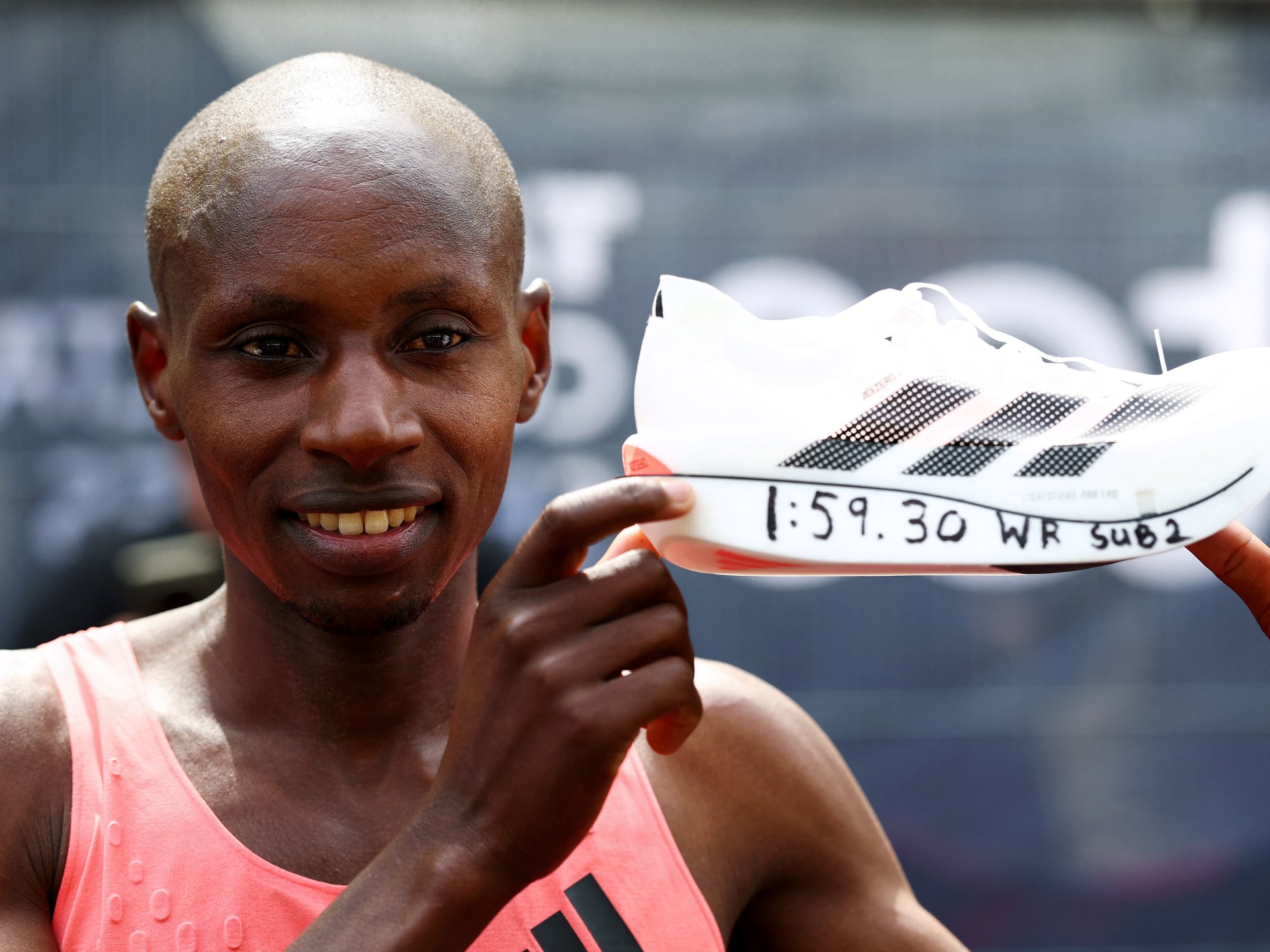

The 2026 London Marathon witnessed a seismic shift in the sport, with Kenyan Sabastian Sawe achieving a historic feat by breaking the two-hour barrier, clocking in at 1:59:30. This unprecedented performance shatters the previous world record set by the late Kelvin Kiptum in 2023, and represents a pivotal moment with profound implications for the MENA region’s burgeoning financial technology ecosystem and its relationship with sovereign and venture capital.
Sawe’s achievement underscores the immense potential of athletic prowess as a driver for innovation. The demands of achieving such a time are intrinsically linked to advancements in data analytics, performance monitoring, and biomechanical engineering – fields gaining significant traction in the MENA region. This success naturally attracts increased investor attention to sports technology startups, particularly those focused on athlete optimization, personalized training programs, and wearable technology. Beyond the immediate sporting impact, this event highlights the region’s growing ability to produce world-class talent, furthering the perception of a dynamic and forward-thinking workforce – a critical factor for attracting both sovereign and private capital. The financial ecosystem is poised to capitalize on this momentum, with increased investment flowing into ventures leveraging data-driven insights and cutting-edge technologies. Furthermore, the marathon’s increased visibility will likely catalyze partnerships between local and international sporting organizations and financial institutions.
The wider economic ramifications extend to regional infrastructure. The London Marathon, and increasingly similar events held across the MENA region, necessitate significant logistical investments in event organization, transportation, and hospitality. These investments, while substantial, generate considerable ancillary economic activity, boosting local tourism, hospitality sectors, and related industries. The surge in interest surrounding elite athletic performance also strengthens the case for targeted infrastructure development supporting sports facilities, training centers and the growth of sports-related industries across the region. Moreover, the rapid adoption of data analytics and digital technologies in sports sets a precedent for accelerating digitalization across various sectors of the MENA economy, further enhancing its competitiveness within the global market.
While Tigst Assefa’s victory in the women’s race further solidified Ethiopia’s dominance in marathon running, Sawe’s groundbreaking time irrevocably alters the landscape of endurance sports and, by extension, the investment climate within the MENA region. This event serves as a powerful catalyst for investment prioritization in sports technology, digital infrastructure, and talent development. The long-term economic benefits of nurturing elite athletic talent and capitalizing on the growing digital economy in the MENA region will be substantial, creating new opportunities for both sovereign and venture capital, fostering a more agile and globally competitive financial ecosystem.