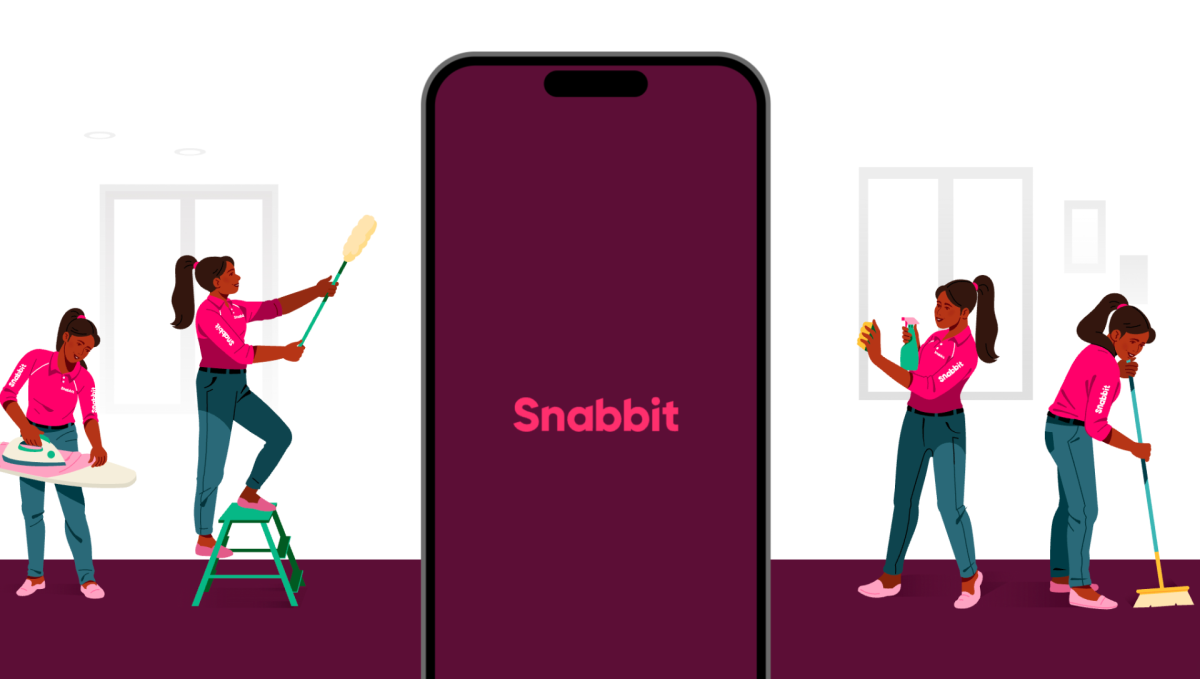

Indian on-demand domestic help platform Snabbit is progressing towards a substantial capital raise, with indications pointing to a valuation in the vicinity of $400 million. The funding round, led by Susquehanna Venture Capital and including participation from notable investors like Mirae Asset and FJ Labs, underscores the burgeoning potential of the $20 billion Indian home services market. This significant valuation jump from its previous $180 million mark in October 2025 reflects robust investor confidence in Snabbit’s rapid growth and its ability to capitalize on evolving consumer preferences for instant convenience. The capital infusion will likely be directed towards scaling its technology infrastructure, expanding its network of service providers – predominantly women – and further penetrating urban markets.
The business impact of this funding extends beyond Snabbit itself, signaling a broader trend of institutional capital flowing into the Middle East and North Africa (MENA) region’s rapidly developing gig economy. While this specific funding round is based in India, the underlying dynamics – a young, digitally-native population demanding immediate services and a growing reliance on on-demand platforms – resonate strongly with the evolving consumer landscape across the MENA. Sovereign wealth funds and private equity firms in the region are increasingly recognizing the scalability and efficiency gains offered by digitally-enabled service sectors. This investment activity in India serves as a bellwether for similar opportunities emerging within MENA, particularly in areas like home services, logistics, and personalized consumer solutions. The success of platforms like Snabbit could also encourage local entrepreneurs within MENA to develop similar offerings tailored to regional nuances.
From a regional infrastructure perspective, the growth of platforms like Snabbit necessitates a strengthening digital ecosystem. This includes robust internet connectivity, reliable payment gateways, and the development of supportive regulatory frameworks. The platform’s reported milestone of over one million jobs facilitated in March highlights the potential for such models to create significant employment opportunities, particularly for women, a key demographic in many MENA economies striving for broader economic participation. Furthermore, the demand for instant services puts pressure on logistical networks and the need for efficient worker management systems, presenting investment opportunities in related technology and operational solutions within the region. The model’s efficacy in India could inform strategies for optimizing workforce management and delivery logistics within the MENA context.
The competitive landscape in the Indian instant home help market, with rivals like Pronto also securing significant funding, further validates the attractiveness of this sector. Urban Company’s reported crossing of one million monthly bookings in its instant home services segment also underscores the tangible demand. This intense competition, coupled with the reported strong daily job figures for Snabbit, points towards a dynamic and rapidly expanding market. While the immediate focus is on Snabbit’s growth trajectory, the underlying trends – digital convenience, on-demand services, and the empowerment of the gig economy – are poised to have a notable influence on the future of consumer services and workforce dynamics across the wider MENA region, potentially attracting further venture capital and fostering innovation in related areas.