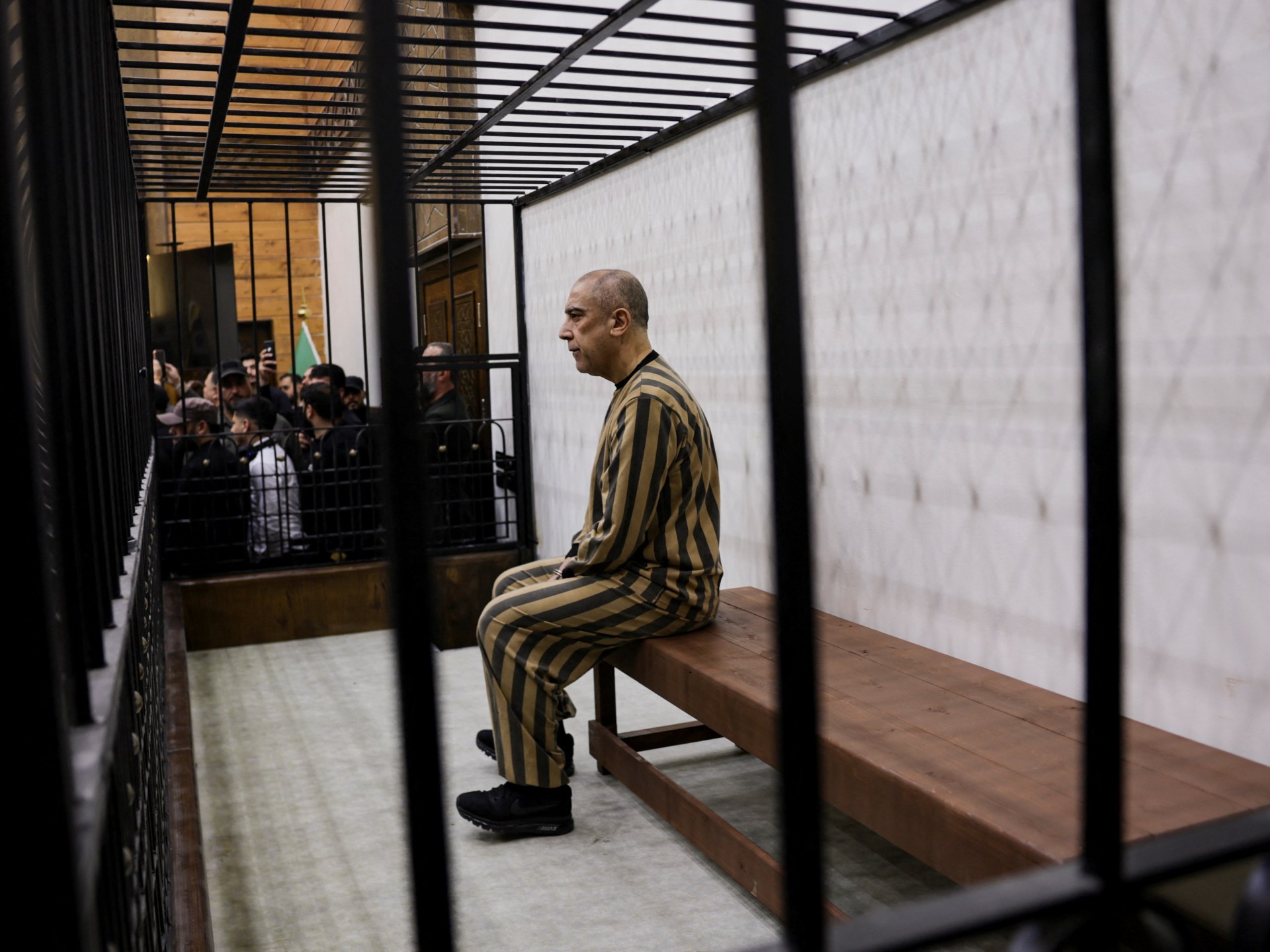

Syria’s landmark public trial of former provincial security chief Atef Najj‑b marks the first overt step by the transitional government to confront the legacy of the Assad regime. By putting a senior security official on the docket for “crimes against the Syrian people,” Damascus is signalling a willingness to enforce rule‑of‑law standards that are prerequisite for unlocking sovereign credit lines and attracting foreign direct investment. International rating agencies have long flagged Syria’s opaque governance as a systemic risk; a transparent judicial process could therefore shave several notches off risk premiums and pave the way for a modest re‑engagement by multilateral lenders such as the World Bank and the Asian Infrastructure Investment Bank.
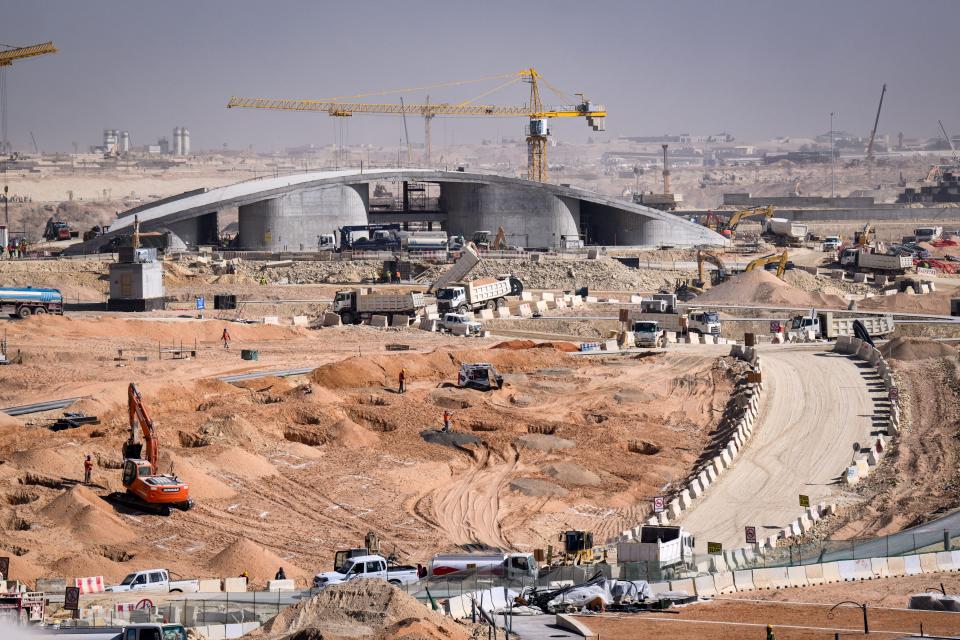
For regional sovereign wealth funds and Gulf‑based private equity houses, the trial is a barometer of political stability in a market that has remained largely shut out since 2011. A credible transitional‑justice framework reduces the “political‑reputational” cost of allocating capital to Syrian reconstruction projects—particularly in energy‑grid rehabilitation, water‑desalination, and digital‑infrastructure upgrades slated for the post‑war period. Early‑stage investors are already scouting opportunities in Damascus and the northern provinces, where a projected $12 billion reconstruction pipeline could generate a 12‑15 % internal rate of return once securitisation structures are underpinned by a clear legal environment.
The judiciary move also has a cascading effect on venture‑capital ecosystems across the MENA region. Start‑ups in Jordan, Lebanon and Egypt have been monitoring Syria’s political risk profile as a proxy for the broader diffusion of governance reforms in war‑torn economies. A demonstrable commitment to accountability is expected to catalyse cross‑border VC funds that specialise in post‑conflict tech hubs, especially in fintech, e‑health and agri‑tech, where the market size exceeds $3 billion once basic infrastructure is restored. Moreover, the trial’s public nature could encourage the establishment of an independent Syrian arbitration centre, offering a dispute‑resolution platform that aligns with GCC and EU commercial standards.
Finally, the trial underscores a strategic shift by the interim presidency toward institutionalising transparency as a cornerstone of reconstruction finance. By pursuing high‑profile prosecutions—most recently the arrest of former intelligence officer Amjad Youssef over the 2013 Tadamon massacre—the government is attempting to dislodge entrenched patronage networks that have historically obstructed large‑scale infrastructure contracts. Should these efforts sustain momentum, they are likely to unlock $8‑10 billion of sovereign‑backed bonds and concessional loans earmarked for transport corridors, renewable‑energy parks, and broadband expansion, thereby integrating Syria back into the regional growth corridor stretching from the Red Sea to the Levant.