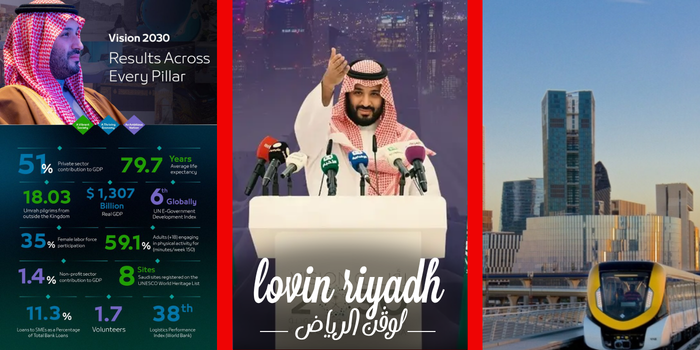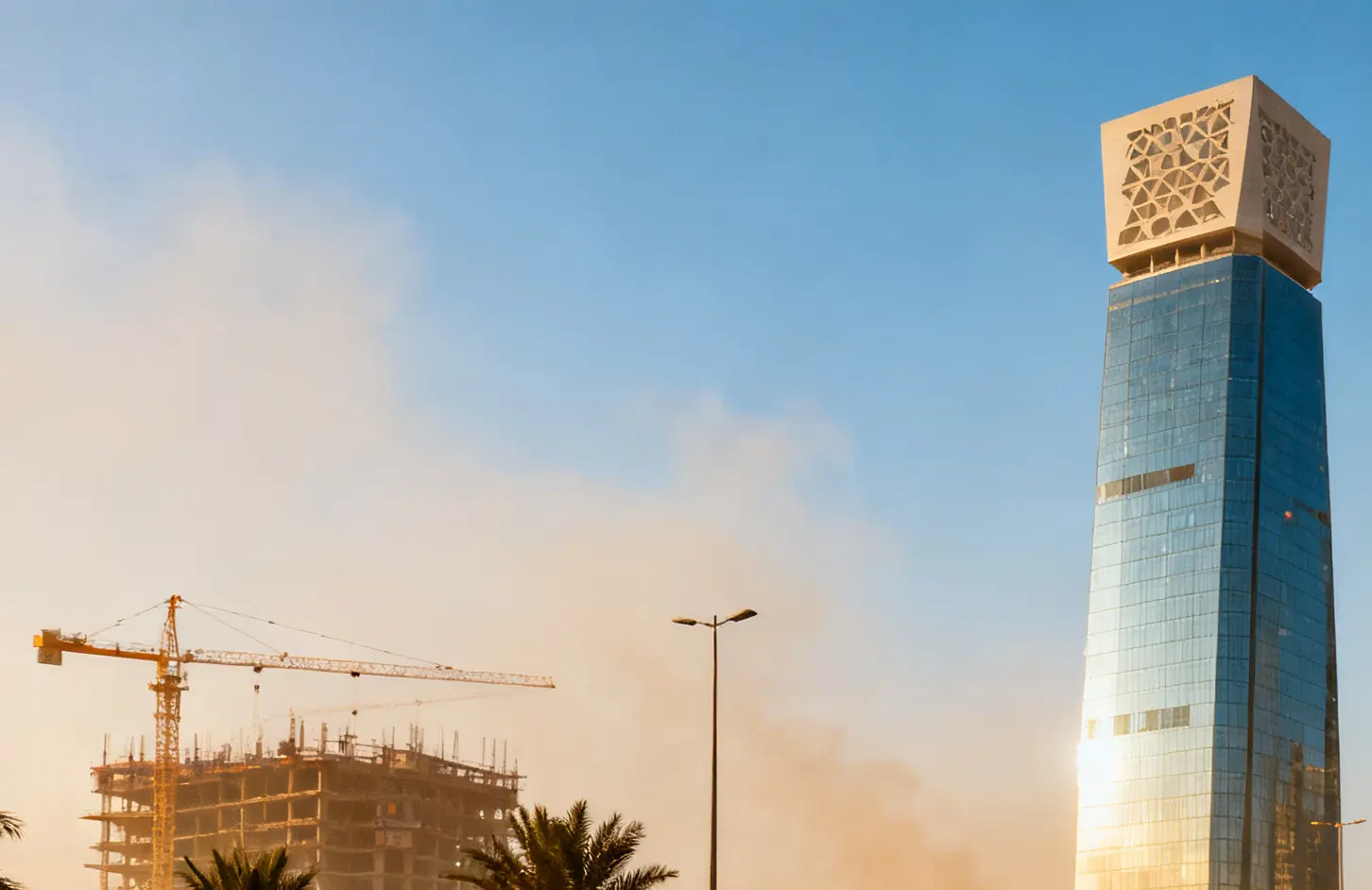

Riyadh’s burgeoning property market represents a critical pillar of Saudi Arabia’s Vision 2030 diversification strategy, attracting significant capital flows and reshaping the Kingdom’s urban landscape. Unlike the traditionally Dubai-centric Gulf real estate narrative, Riyadh’s growth is underpinned by a robust domestic demand – fueled by a substantial population, considerable household wealth, and a rapidly expanding government and corporate sector – providing a more stable foundation for investment. This shift is not merely cosmetic; it’s strategically driven by government-backed megaprojects, including the ongoing regeneration of Diriyah and the development surrounding the King Abdullah Financial District (KAFD), alongside preparations for hosting Expo 2030 and the 2034 World Cup, all of which are generating substantial infrastructure investment and corporate relocations.
The implications for sovereign capital and venture capital are considerable. The Saudi government’s commitment to Vision 2030 is channeling substantial resources into real estate development, creating opportunities for both domestic and international sovereign wealth funds. Simultaneously, a growing ecosystem of local and regional venture capital firms is increasingly focused on supporting innovative real estate technology (PropTech) and sustainable development projects within Riyadh. However, the market’s nascent stage necessitates a careful assessment of project execution quality and liquidity, particularly within off-plan segments, demanding rigorous due diligence from potential investors. The potential for oversupply in certain areas, coupled with varying developer capabilities, presents a key risk factor requiring astute market analysis.
Infrastructure momentum is undeniably the primary catalyst for this transformation. The planned expansion into North Riyadh, coupled with the development of key districts like Wadi Safar within Diriyah – targeting high-net-worth buyers – demonstrates a deliberate strategy to cater to evolving demand profiles. Crucially, the government’s policy requiring international companies establishing regional headquarters to locate within Saudi Arabia is directly fueling demand for executive housing, creating a premium segment with significant rental yield potential. This dynamic necessitates a nuanced understanding of the interplay between macroeconomic trends, regulatory shifts, and the evolving preferences of both domestic and international investors.
Looking ahead, Riyadh’s property market is poised for increased differentiation between prime and standard stock by 2030, contingent on the successful delivery of announced megaprojects and the sustained pace of corporate relocations. Foreign investors should prioritize strategic positioning within limited-supply prime districts, focusing on developments exhibiting scarcity value and underpinned by established brands. Furthermore, a thorough evaluation of exit liquidity and a clear understanding of future buyer profiles – particularly within the context of broader economic diversification goals – will be paramount to mitigating execution risk and securing optimal long-term returns. The market’s trajectory will ultimately be judged on its ability to translate ambitious development plans into sustained, tangible growth, mirroring the challenges faced in other ambitious infrastructure projects globally.