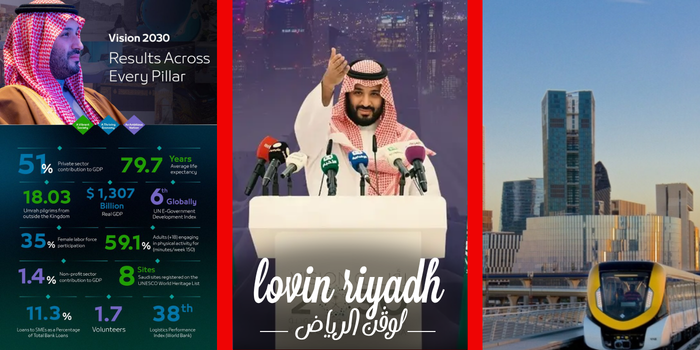

Vision 2030 has recalibrated the fiscal architecture of the Kingdom, converting hydrocarbon liquidity into a sovereign balance-sheet pivot that de-anchors MENA growth from oil price volatility. By ring-fencing crude revenues into dedicated transformation funds and sovereign vehicles, Riyadh has engineered counter-cyclical firepower capable of absorbing cyclical shocks while financing non-oil capacity expansion. The result is a new template for regional fiscal states: capital expenditure turned into strategic optionality, with multibillion-dollar allocations to logistics corridors, semiconductor clusters and renewables acting as explicit leverage on future current-account trajectories and FX resilience across the Gulf.
Capital formation is migrating from family conglomerates and state-owned enterprises toward institutional pipelines that can absorb billion-ticket foreign mandates. Sovereign wealth anchors—PIF foremost—are deploying as quasi-national venture platforms, co-investing alongside multinational buyout and growth funds to hardwire technology and logistics into the real economy. Secondary hubs in Abu Dhabi, Doha and Riyadh are refining fund domiciliation, LP law and ESG guardrails to capture GCC family-office dry powder and European allocators re-weighting toward MENA. The effect is a compression of risk premia on large-scale infra and a repricing of frontier technology exposure as de-risked, yield-bearing infrastructure rather than discretionary capex.
Infrastructure is the transmission belt of this re-rating. Gigaprojects are no longer vanity estates but toll-yielding industrial platforms—NEOM, Red Sea Global and adjacent logistics zones function as special economic jurisdictions with sovereign underwriting, hardwired data and decarbonized power that lower the cost of capital for tenants and anchor long-term offtake. Interregional corridors linking Gulf ports to Levant and North Africa are synchronizing customs and payments rails, effectively widening addressable markets for MENA venture portfolios and narrowing the time-to-revenue for export-oriented startups. As Riyadh accelerates delivery against its mid-decade targets, the capital stack across the region is shifting from liquidity-funded speculation to balance-sheet–backed, cash-flow-positive deployment—an inflection that will define MENA’s next investment cycle.