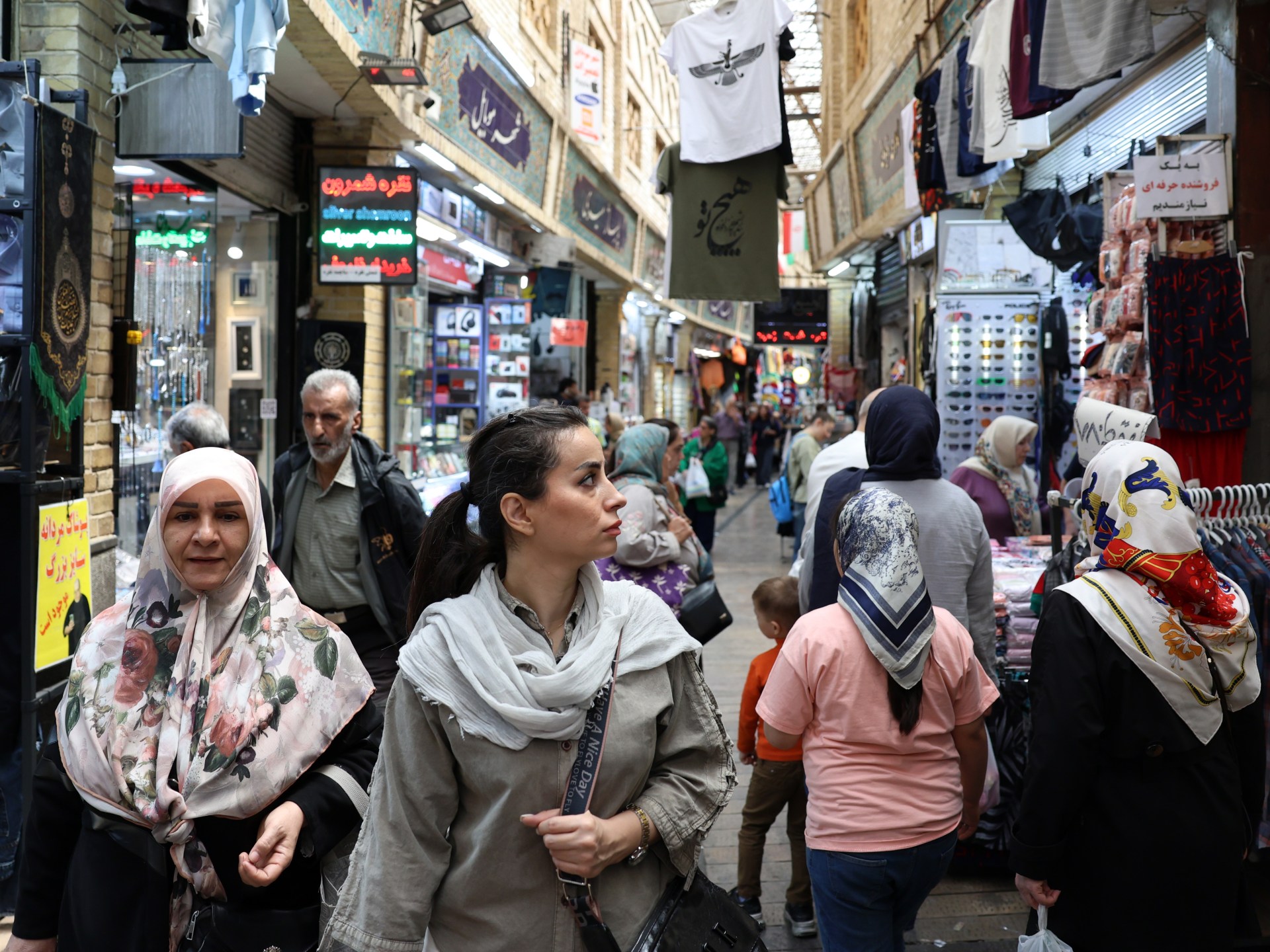

The recent fragile ceasefire following intense US-Israeli strikes has exposed deep vulnerabilities within Iran’s economy, prompting a significant policy shift and highlighting the broader implications for regional financial stability and infrastructure investment. While a semblance of normalcy has returned to daily life in Tehran, the pervasive sense of caution among consumers, coupled with widespread reports of essential goods shortages and soaring inflation, underscores the severity of the situation. The Iranian government’s decision to reinstate a preferential exchange rate for essential imports, drawing $3.5 billion from oil revenues channeled through a network of trustees, represents a partial reversal of austerity measures and a direct response to recent antigovernment protests fueled by economic hardship.
Beyond this immediate intervention, the Iranian government is actively tapping into the National Development Fund of Iran, allocating an additional $1 billion to procure strategic food reserves. This reliance on sovereign wealth fund assets signals a deepening fiscal strain and a potential constraint on future investment in critical infrastructure projects. The ongoing US blockade and attacks on Iranian oil and gas facilities have severely disrupted export capacity, forcing a redirection of resources towards domestic consumption and highlighting the nation’s precarious dependence on circumvention strategies for trade. The prioritization of food security, coupled with the expansion of executive powers for border province governors to expedite imports, suggests a deliberate effort to mitigate potential social unrest and maintain a semblance of order amidst escalating economic pressures.
The situation presents a complex challenge for regional actors. While the ceasefire offers a temporary reprieve, the underlying economic fragility of Iran poses a systemic risk to the MENA region. Sovereign capital flows, particularly from Gulf states, are likely to be scrutinized, with increased emphasis on stability and risk mitigation. Venture capital investment in Iran, already limited by sanctions, will remain severely constrained. Furthermore, the ongoing disruption to Iranian infrastructure, including the near-total internet shutdown and damage to industrial facilities, will necessitate significant reconstruction efforts, potentially creating opportunities for regional construction firms – albeit contingent on geopolitical developments and the easing of sanctions. The Iranian government’s tiered internet access system, and the associated restrictions on information flow, further complicate the investment landscape and raise concerns about long-term economic sustainability.
Looking ahead, the trajectory of Iran’s economy will be inextricably linked to the durability of the ceasefire and the broader geopolitical climate. The current measures, while providing short-term relief, are unlikely to address the fundamental structural issues plaguing the Iranian economy. A sustained period of stability and a potential easing of sanctions would be necessary to unlock significant investment and foster long-term economic growth. However, given the entrenched tensions and the ongoing fragility of the region, a return to normalcy remains a distant prospect, requiring careful monitoring and strategic adaptation by regional and international stakeholders.