
Diplomatic overtures between Iran and Western powers, exemplified by the recent visit of Iranian Foreign Minister Abbas Araghchi to Moscow amid U.S. signals of openness, underscore a recalibration of geopolitical dynamics in the Middle East and North Africa (MENA) with profound implications for sovereign capital flows, venture capital deployment, and regional infrastructure development. The evolving interplay between state-driven diplomacy and global market volatility creates both opportunities and risks for institutional investors navigating the region’s complex economic landscape. While the U.S. stance reflects a pragmatic approach to regional security concerns, the broader MENA region remains a testing ground for balancing geopolitical stability with economic transformation.
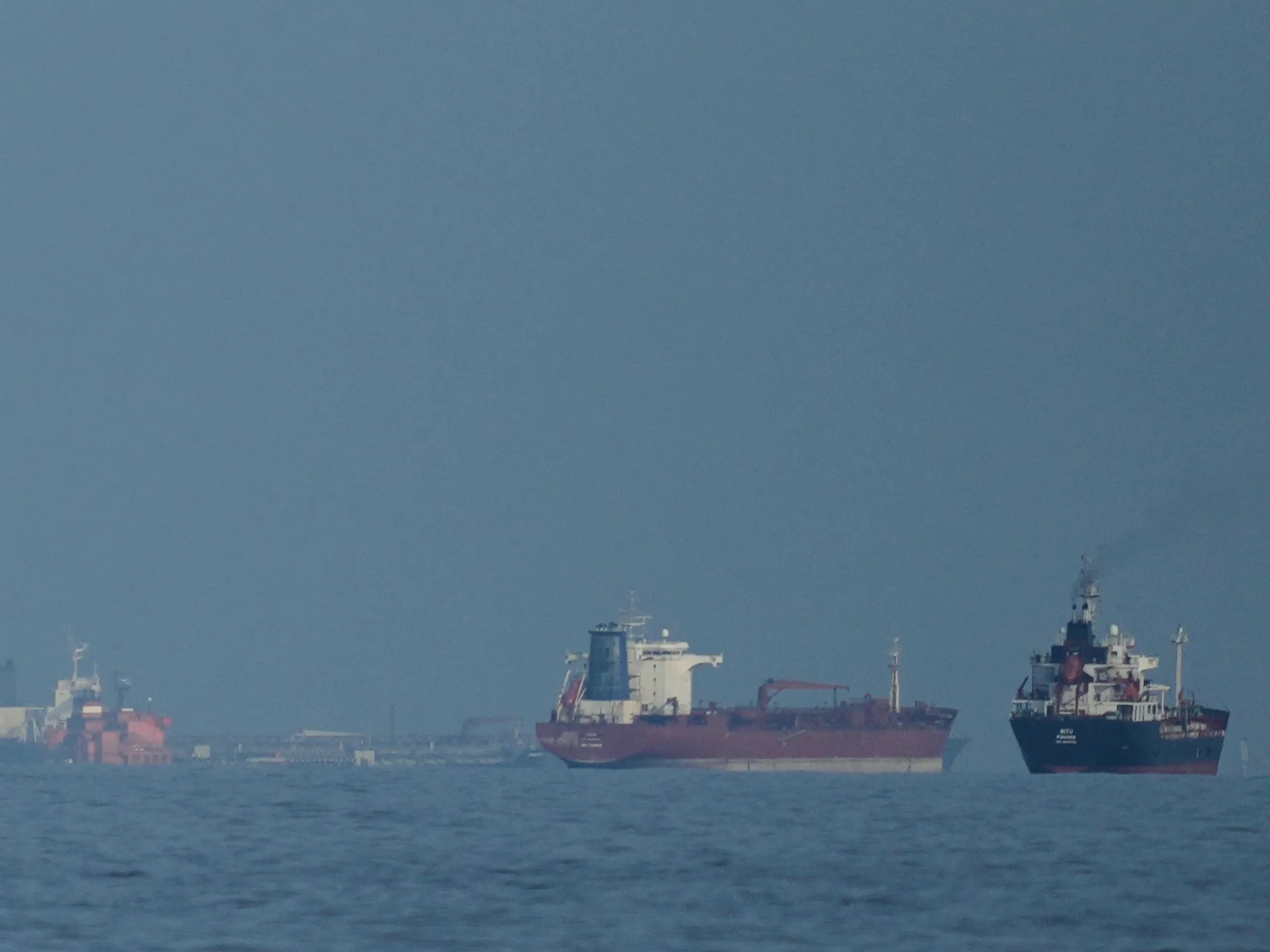
Sovereign capital, increasingly directed toward MENA through strategic partnerships and public-private frameworks, is poised to benefit from heightened regional interconnectivity. Gulf Cooperation Council (GCC) nations, leveraging their fiscal surpluses, are accelerating investments in cross-border infrastructure projects, including energy pipelines and digital trade corridors, to reduce logistical bottlenecks exacerbated by Suez Canal disputes and Red Sea tensions. Concurrently, venture capital activity is gaining momentum in tech-driven sectors such as fintech and renewable energy, with GCC sovereign wealth funds and regional accelerators like the Saudi Arabian General Investment Authority (SAGIA) channeling capital into startups bridging local and global markets.
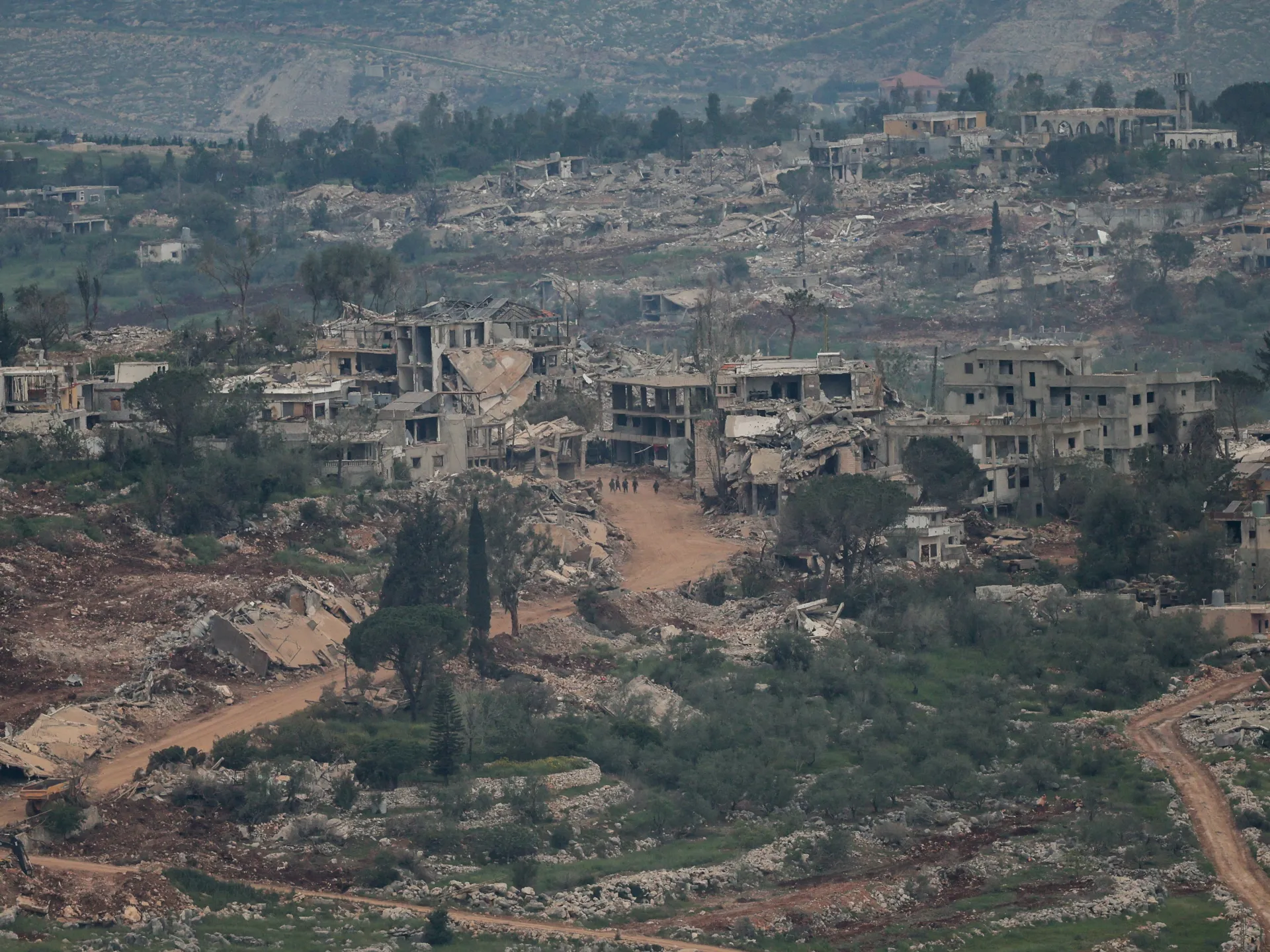
However, the region’s infrastructure ambitions are not devoid of challenges. Persistent debt constraints in North Africa, coupled with heightened security risks in the Eastern Mediterranean, threaten to divert sovereign capital toward short-term stabilization efforts rather than long-term developmental goals. Meanwhile, the U.S.’s conditional engagement with Iran via direct communication channels highlights lingering uncertainties around sanctions compliance, which could deter foreign direct investment (FDI) in Iran’s nascent private sector and broader energy modernization initiatives. For institutional investors, the MENA region thus demands a nuanced evaluation of risk-adjusted returns, prioritizing sectors with resilient cash flows and backed by multilateral guarantees.
In the coming fiscal cycles, the convergence of sovereign capital, venture capital, and infrastructure spending will hinge on the region’s ability to reconcile political pragmatism with market-driven innovation. Emerging from conflicts into a more collaborative era, MENA’s financial centers—from Dubai and Doha to Istanbul and Amman—are positioning themselves as critical nodes in a reimagined global supply chain. Yet, the path forward remains fraught with volatility, necessitating a disciplined approach to capital allocation that aligns with long-term regional stability and economic diversification imperatives.