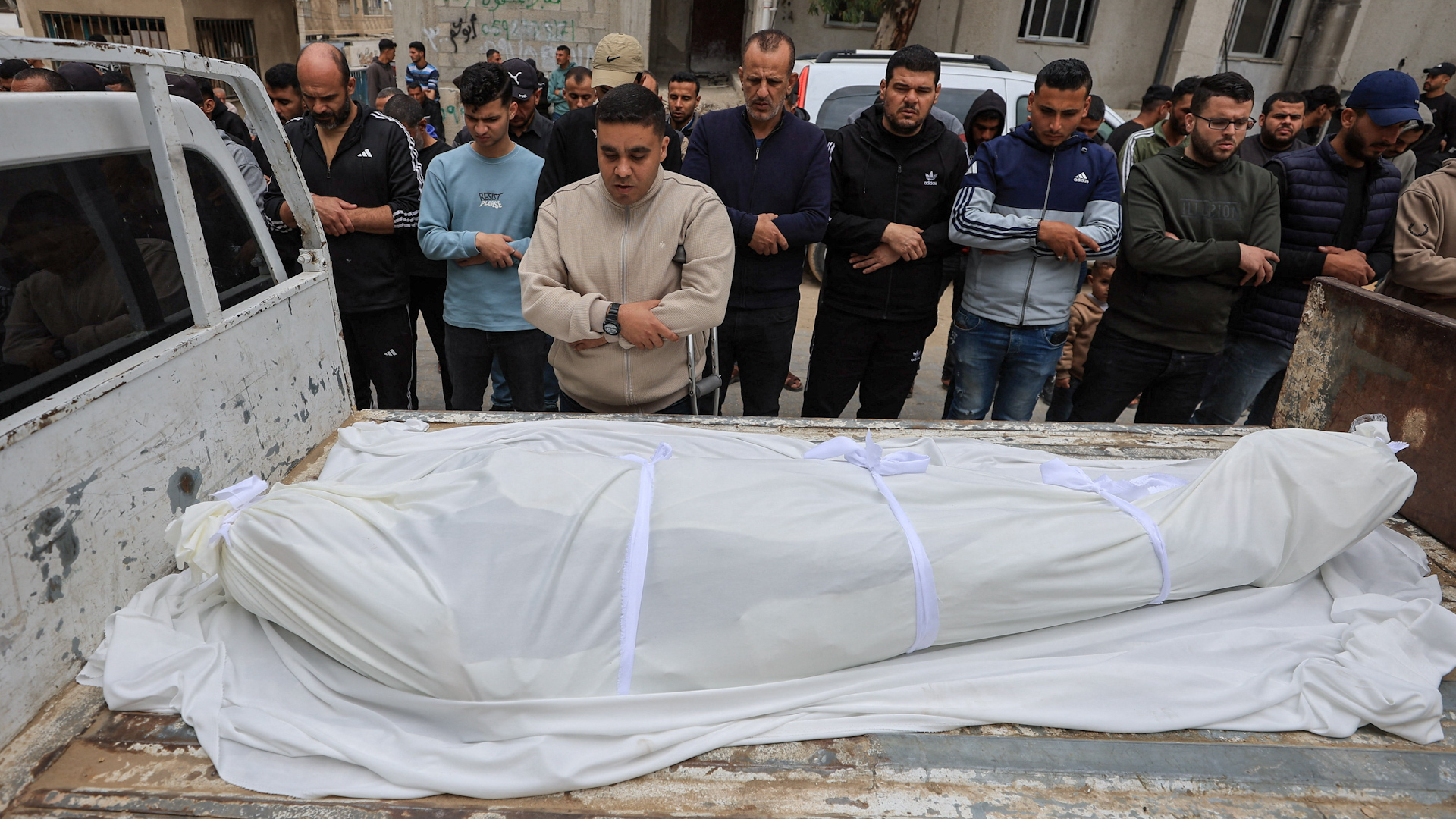

Documented ceasefire violations by Israeli forces in Gaza have exceeded 2,400 incidents over the more than six months following the implementation of the 2025 truce, per verified regional monitoring data cited by Al Jazeera correspondent Hala Al Shami as of April 26, 2026, eroding the stability assumptions that underpinned $22bn in pledged regional development and reconstruction capital. Gulf sovereign wealth funds, including Saudi Arabia’s Public Investment Fund and the UAE’s Mubadala, have paused disbursements to multilateral Gaza reconstruction facilities pending a restoration of adherence to the agreement, with internal risk models reclassifying West Bank and Gaza-linked exposures as high volatility for the first time since 2023.
The protracted erosion of the ceasefire has triggered a sharp repricing of geopolitical risk across MENA venture capital markets, where early-stage funding for logistics, agritech and fintech startups targeting Palestinian territories declined 41% quarter-on-quarter in Q1 2026, per Preqin data. Regional general partners at firms including STV, Global Ventures and Sequoia Capital’s Middle East arm are pivoting allocations toward UAE- and Saudi-based AI, renewables and cloud infrastructure plays, while limited partners are demanding 300-500 basis point risk premiums for any exposure to conflict-adjacent markets. Foreign direct investment inflows to the Levant, which had rebounded to $18bn in 2025 on the back of the truce, have stalled as cross-border supply chain and fintech integration projects are placed on indefinite hold.
Sovereign-backed infrastructure pipelines across the region are facing material delays, most notably the $420bn Gulf-Israel-Jordan digital and energy corridor announced in late 2025, which relied on the ceasefire to unlock regulatory approvals and multilateral financing. Sovereign capital is being reallocated to domestic Gulf megaprojects including NEOM, Masdar City and Qatar’s North Field expansion, with infrastructure-focused funds reducing cross-border MENA commitments by 28% since the start of 2026. Concurrently, Gulf sovereign wealth funds are increasing targeted allocations to border security, defense tech and resilient logistics infrastructure across the Levant, diverting capital from social infrastructure and early-stage VC initiatives in conflict-adjacent zones. Credit lines to Palestinian financial institutions have contracted 19% since the truce was signed, per IMF data, as global correspondent banks factor in elevated operational risk from ongoing ceasefire breaches.