
Recent escalations in Iran’s internal affairs, specifically the tightening restrictions impacting women’s rights and economic participation, pose a significant and multifaceted challenge to the broader Middle East and North Africa (MENA) region’s economic trajectory. Beyond the immediate human rights implications, these developments carry substantial business impact, particularly concerning foreign direct investment (FDI) and regional supply chain stability. The heightened uncertainty surrounding Iran’s political and economic future will likely deter international capital, impacting sectors crucial for regional growth such as energy, petrochemicals, and potentially technology. This diminished investor confidence necessitates a recalibration of risk assessments across the MENA landscape, potentially favoring alternative investment destinations with more predictable regulatory environments.
The sovereign capital implications are noteworthy. Iran’s economic vulnerabilities, exacerbated by international sanctions and internal instability, limit its capacity to catalyze regional infrastructure projects or provide the financial backing for transformative ventures. This gap presents an opportunity – and a responsibility – for other regional players, particularly those with robust sovereign wealth funds, to step up and invest in critical infrastructure development across the MENA region. Furthermore, the restrictive environment within Iran could accelerate the diversification of regional economies away from reliance on a single market, pushing for greater integration and collaboration amongst member states to secure future economic resilience. The potential shift in regional financial flows could reshape investment priorities and create new avenues for growth in sectors like renewable energy, digital technologies, and sustainable development.
Venture capital ecosystems in the MENA region are particularly sensitive to geopolitical shifts. The crackdown on Iranian civil society and its potential economic consequences translate into increased risk premiums for investors considering exposure to Iranian startups and businesses. This could indirectly impact the overall flow of venture capital into the region, although opportunities may arise in sectors benefiting from the reduced Iranian presence in certain markets. Conversely, the instability might encourage greater investment in more resilient and politically stable economies within MENA. The long-term effect on innovation and entrepreneurship in Iran itself remains uncertain, but a constricted business environment will undoubtedly hinder the development of a robust technological sector, thereby limiting its contribution to regional technological advancement.
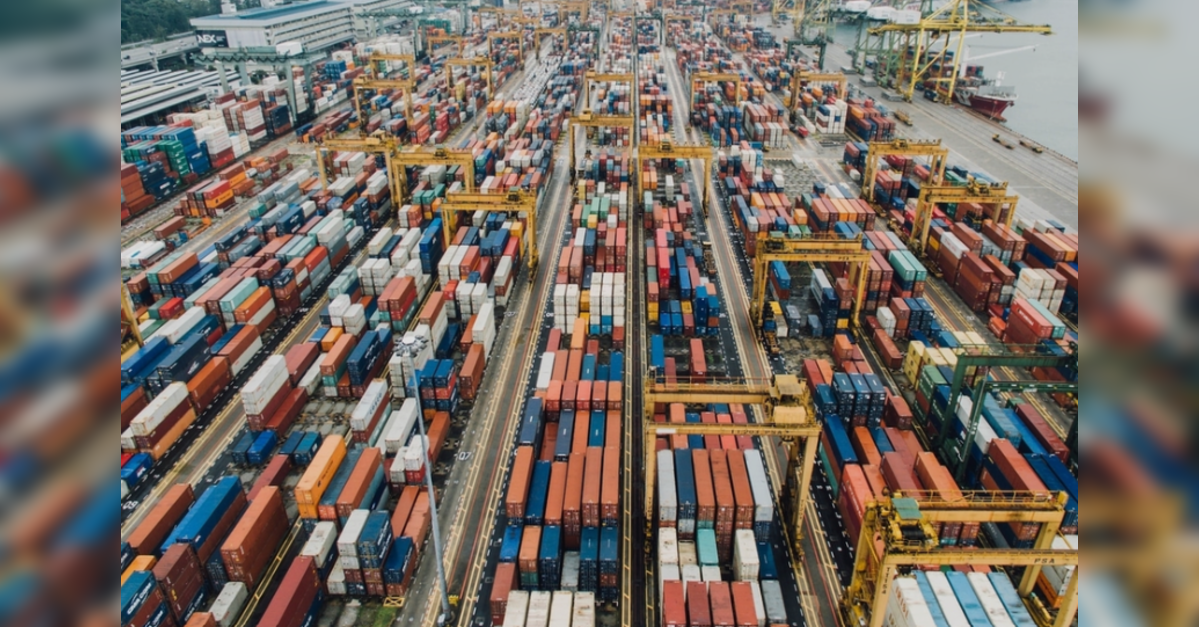
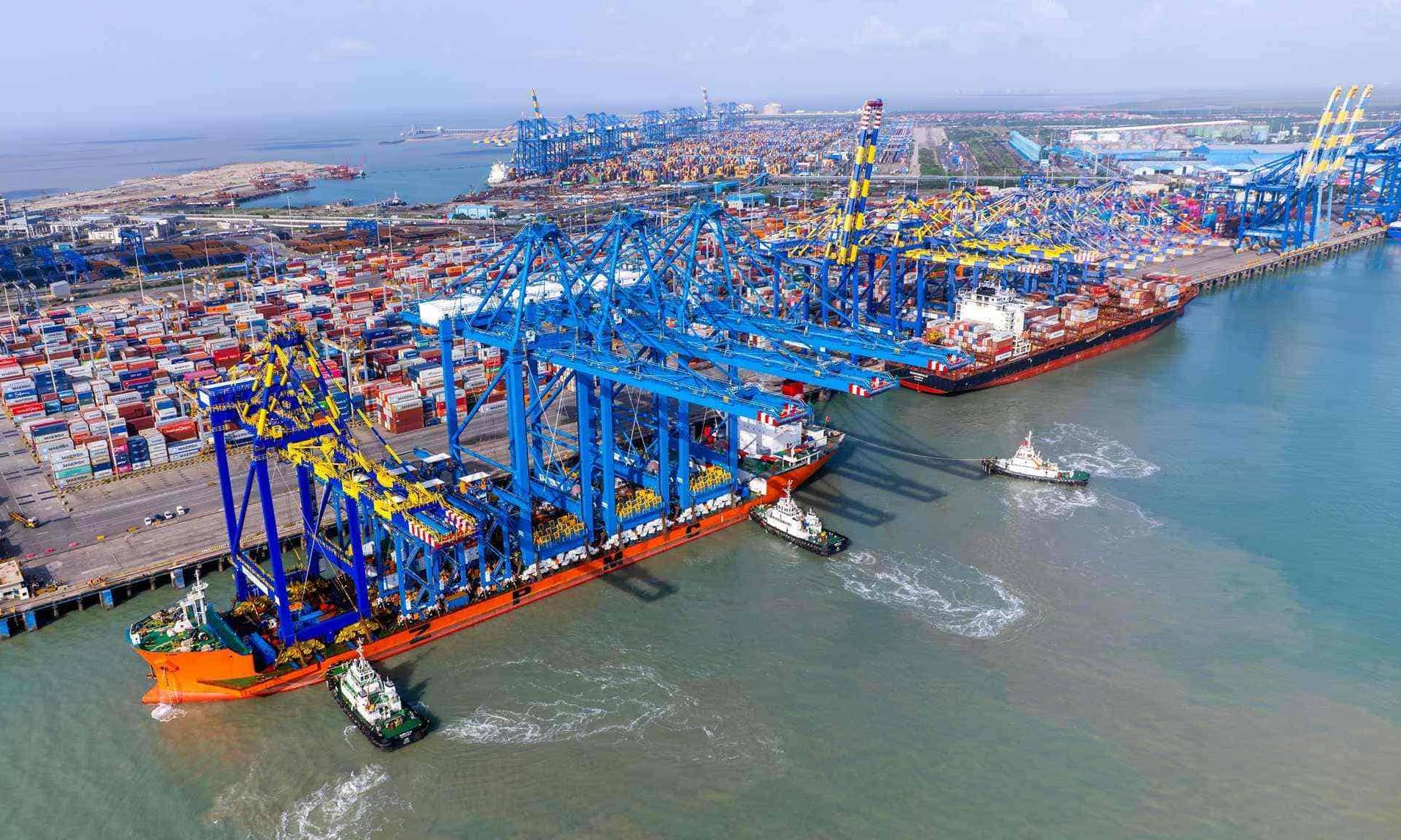
Regional infrastructure development, a cornerstone of MENA’s economic ambitions, faces increased complexity. Dependence on Iranian energy supplies and transit routes for goods will need to be reassessed, requiring diversification of infrastructure networks. This necessitates significant investment in alternative transportation corridors, energy pipelines, and logistical hubs across the region. The evolving geopolitical landscape underscores the importance of enhanced regional cooperation in infrastructure projects, fostering greater economic interdependence and reducing reliance on potentially volatile external factors. Ultimately, the current developments in Iran demand a strategic and nuanced approach from MENA’s financial and technology sectors, prioritizing resilience, diversification, and localized investment strategies to ensure sustainable and inclusive economic growth.