
Abu Dhabi is recalibrating the MENA region’s sovereign capital playbook by embedding state-backed balance sheets directly into the hard infrastructure of the global energy transition. Through ALTÉRRA, the emirate is leveraging scale and patient capital to absorb structural risk in climate-intensive real assets, pairing with institutional allocators such as KKR to crowd in global private capital while tightening oversight of project-level returns. The move signals an evolution beyond petrodollar recycling into targeted, high-conviction bets on decarbonization infrastructure that yield geopolitical leverage and durable cash flows, positioning the Gulf as a capital-of-choice node for energy reindustrialization rather than a passive liquidity provider.
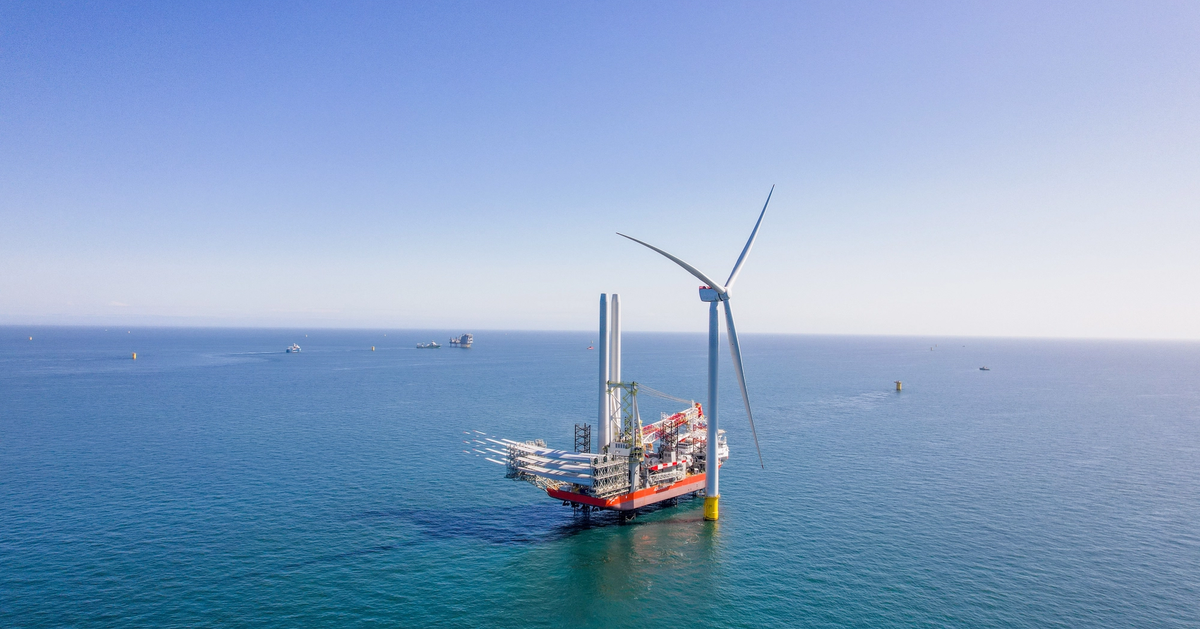
Masdar’s advancement of the £5.4 billion East Anglia Three offshore wind complex—physically manifested in the installation of first-generation turbines—extends Abu Dhabi’s footprint into European power markets and crystallizes a template for MENA sovereign investors to monetize regulated, long-tenor assets amid volatile commodity cycles. By embedding alongside ScottishPower and Iberdrola, Masdar captures contracted cash flows and policy-backed revenue certainty while insulating regional portfolios from domestic price volatility. The integration of battery storage compounds optionality, converting intermittent generation into dispatchable capacity and elevating asset values in markets where grid congestion is pricing flexibility at a structural premium.
For the broader MENA venture and infrastructure ecosystem, these transactions reprice risk in favor of technology deployment, grid modernization and cross-border energy logistics. Sovereign balance sheets are increasingly underwriting the developmental layer of the energy transition, de-risking later-stage venture exposure to storage, digital grid controls and supply-chain localization while compelling regional LPs to recalibrate allocations toward real-economy cash yields. The effect is a structural pipeline of investible infrastructure—a prerequisite for sustained VC deployment in hard tech and deep decarbonization—that consolidates the Gulf’s centrality to global capital formation as industrial policy converges with return-seeking mandate.