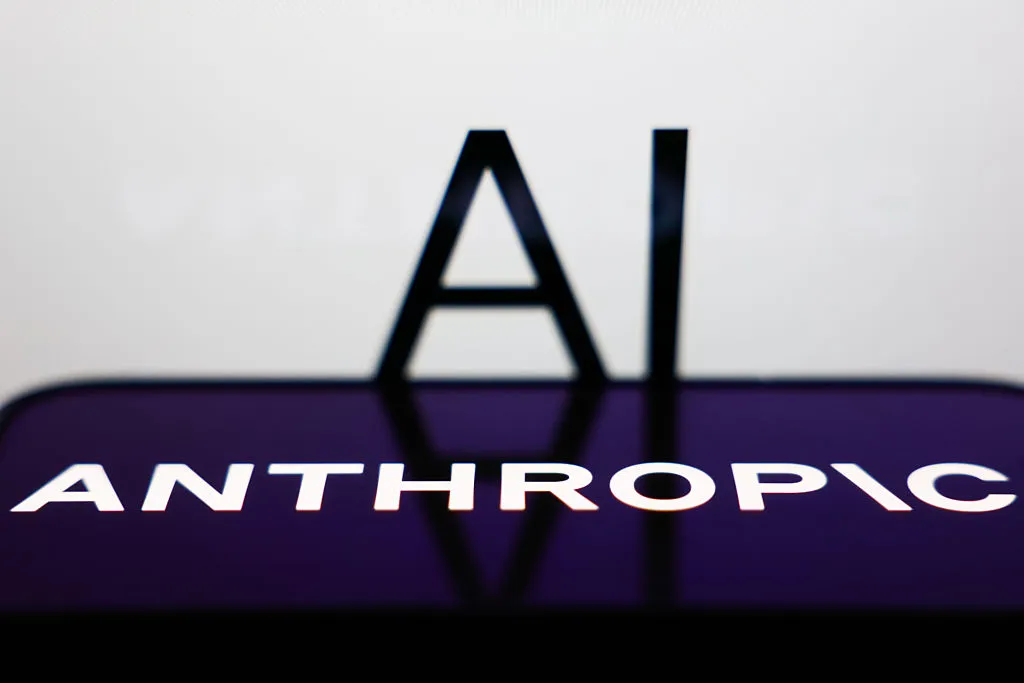

Saudi Arabia’s Public Investment Fund (PIF) and Abu Dhabi’s Mubadala are closely monitoring a novel asset‑exchange model emerging from Silicon Valley, where a Bay‑Area investment banker is offering a 13‑acre Mill Valley compound in return for equity in Anthropic, a leading generative‑AI startup. The structure—real‑estate for equity without an immediate cash outlay—signals a potential template for sovereign capital seeking to diversify away from oil‑linked portfolios while gaining direct exposure to frontier AI technologies that are reshaping the MENA’s digital economy.
For regional venture capital (VC) houses, the deal underscores a strategic pivot: many Middle‑East funds are heavily weighted toward fintech and e‑commerce, yet remain under‑exposed to deep‑tech AI ventures that dominate future value creation. By leveraging surplus sovereign wealth to acquire stakes in companies like Anthropic, governments can both hedge their real‑estate exposure—particularly in high‑cost U.S. markets—and embed themselves within the AI value chain, accelerating domestic AI talent pipelines and supporting the rollout of smart‑city initiatives across the Gulf.
The proposed transaction also carries broader implications for cross‑border infrastructure financing. Should MENA sovereign investors replicate this model, they would effectively channel capital into overseas innovation hubs while retaining a residual claim on the underlying property’s appreciation, a prudent risk‑mitigation tactic during the lock‑up period. This could catalyse a new class of hybrid assets—part‑equity, part‑real‑estate—that dovetail with the region’s ambition to build AI‑enabled logistics, energy, and health‑care networks, reducing reliance on traditional financing channels.
Finally, the episode highlights a cultural shift among high‑net‑worth individuals who, like the Bay‑Area banker now based in Miami, view real‑estate as a liquidity‑draining concentration. For MENA investors, the lesson is clear: sovereign and private capital must re‑balance portfolios, pairing tangible assets with high‑growth, intangible technologies. The convergence of these asset classes could accelerate the region’s transition toward a knowledge‑based economy, delivering both financial returns and strategic capabilities essential for long‑term competitiveness.