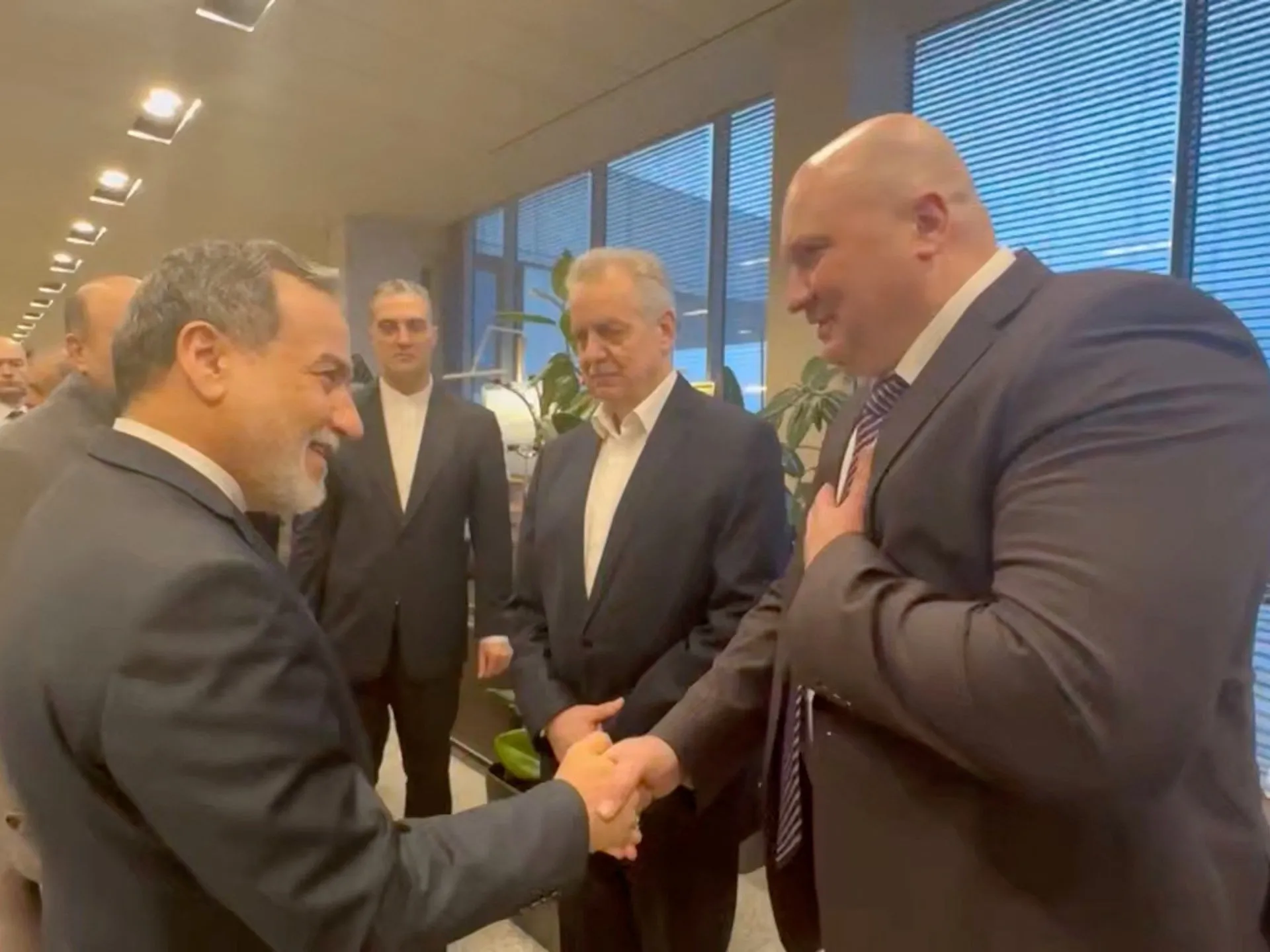

The recent diplomatic engagement involving Iranian Foreign Minister Abbas Araghchi in Moscow underscores a critical phase in regional de-escalation, with significant implications for sovereign capital allocation and strategic stability in the Middle East. For sovereign wealth funds across the Gulf Cooperation Council (GCC), the potential for renewed conflict or a sustained detente directly impacts long-term investment horizons and risk assessments tied to regional energy markets and infrastructure projects. A failure to secure a durable agreement threatens to disrupt capital flows, increase sovereign borrowing costs, and force immediate re-evaluations of billion-dollar development programs reliant on stable maritime routes and regional security guarantees.
The business environment further hinges on the efficacy of backchannel diplomacy, particularly concerning the roles of Pakistan and Oman in mediating between global powers and Tehran. This intricate web of negotiations is not merely a geopolitical formality; it is a prerequisite for unlocking significant venture capital and foreign direct investment into the region’s technology and logistics sectors. Investors are closely monitoring outcomes as a sustained truce would enable the de-risking of major infrastructure corridors, including ports and energy facilities, thereby safeguarding sovereign-backed projects and fostering an environment conducive to high-yield, long-term capital deployment rather than speculative flight.
Ultimately, the resolution of these diplomatic efforts will define the trajectory of regional infrastructure resilience and financial integration. The international community must recognize that the stability of supply chains and the reliability of sovereign commitments are inextricably linked to the success of these quiet negotiations. For the MENA region, the avoidance of open conflict is not just a diplomatic victory but a fundamental economic imperative, ensuring that sovereign capital remains anchored to long-term development rather than being diverted to cover the exorbitant costs of confrontation and recovery.